Here's what no one tells you about grief and sex
Grief numbs pleasure before it numbs anything else. Not because you've stopped loving your partner or because something is broken. But because grief is a full-body takeover. Your nervous system is flooded with cortisol and stress hormones. Your brain is cycling through denial, anger, and exhaustion on repeat. The idea of feeling good feels like a betrayal. Pleasure, in that space, can feel almost offensive.
Then time passes. The acute grief softens into something else. And you realize you want to feel connected again. But reconnecting after loss isn't like flipping a switch. Your body needs permission, time, and sometimes a little help remembering how to respond.
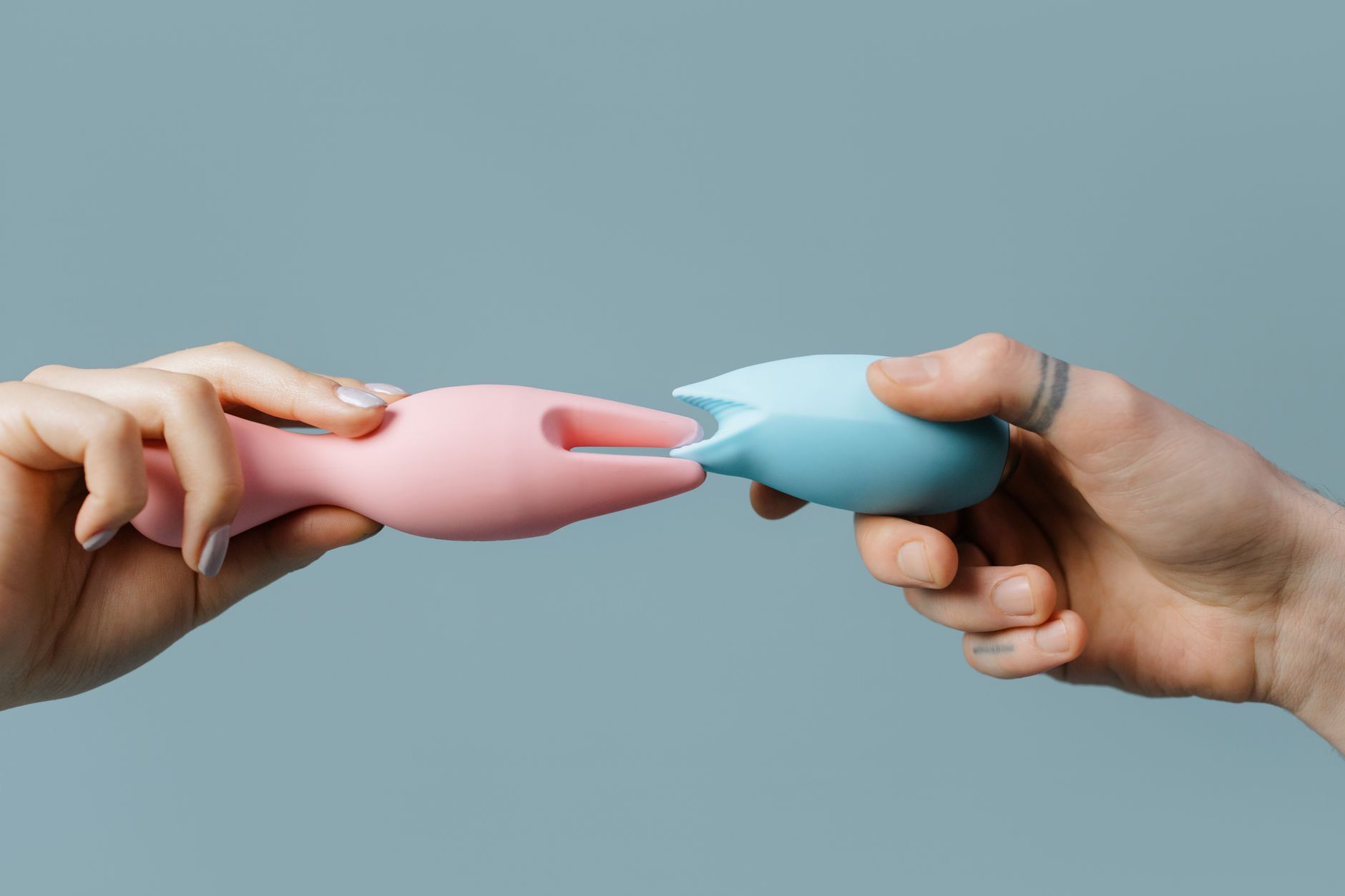
This is where lemon vibrators matter. Not as a replacement for grief work or couple's therapy. But as a bridge between where you've been and where you're trying to go.
Why grief changes arousal (and what's actually happening)
When someone dies. When a relationship shifts. When a diagnosis lands. When a job ends. Grief rewires your nervous system temporarily. Your body enters a state of hypervigilance or shutdown. Neither of these is hospitable to arousal.
Arousal requires a parasympathetic nervous system state. That's the "rest and digest" mode. Grief keeps you in "fight, flight, or freeze." Your body is literally not in a position to respond to touch the way it did before.
This isn't psychological. It's neurological. And it's not permanent.
What happens as you process grief is that the nervous system gradually moves out of crisis mode. But moving gradually doesn't mean moving smoothly. You might have moments of desire interrupted by waves of guilt. Touch that feels connecting one day and claustrophobic the next. Arousal that builds and then suddenly feels wrong.
This is all normal. And it's where the right tool makes a real difference.
Why lemon clitoral vibrators work better in this season
Traditional vibrators demand a lot. They require commitment. You turn them on and you're locked into an experience. With lemon suction vibrators, there's no pressure. The design invites exploration without demanding it.
Here's what makes that important when you're grieving. You can start with the gentlest pattern. You can pause, breathe, check in with your body, and adjust. You can use it solo first to rebuild your own relationship with pleasure before reintroducing it into partnered intimacy.
The suction technology itself is gentler than traditional vibration patterns. It mimics the way a partner might use their mouth, but with zero performance pressure. No one's watching. No one's rhythm is waiting for you to keep up. You're in complete control.
And here's the thing that matters most. Lemon vibrators let you feel something intensely without it being invasive. After grief, many people feel touched out or hyperaware of their body in an uncomfortable way. Clitoral suction provides deep, focused sensation without the sensation of penetration or internal pressure that can feel triggering when you're in a vulnerable emotional state.
The practical roadmap for starting again
If you're thinking about returning to solo pleasure first, here's what actually works.
Start when you're calm, not desperate. This isn't about chasing an orgasm. It's about your body remembering sensation. Pick a time when you feel relatively okay. Not a time when you're trying to escape difficult feelings or numb grief. That just layers another complication on top.
Use it on the lowest setting. Let your nervous system adjust. You might feel nothing the first time. You might feel everything and need to stop. Both are information, not failure. Nancy Lem Shop's lemon vibrators have graduated intensity patterns specifically designed for this kind of gentle exploration.
Give yourself permission to feel mixed emotions. Pleasure during grief can trigger guilt. That feeling doesn't mean you're betraying the person you've lost. It means you're slowly coming back to life. Sit with that complexity instead of fighting it.
Build in recovery time. After using a clitoral vibrator for the first time after loss, you might feel emotionally tender. That's okay. Lie there. Breathe. Maybe journal. Process what came up. This isn't just physical reconnection. It's emotional too.
Moving from solo back to partnered intimacy
When you're ready to reintroduce your partner to this space, the conversation matters more than the tool.
Say something like. "I've been using this to help my body remember what pleasure feels like. I'm not at the point where I can be present during partnered sex yet, but I want to share this part of my healing with you." That's honest without overexplaining.
You might use the lemon vibrator together without it being part of penetrative sex. You might explore it solo while your partner is present but not touching you. You might eventually incorporate it into sex, but you might not. All of these are legitimate paths.
The key is that your partner understands this isn't about their performance or desirability. Grief isn't a reflection on them. And rebuilding pleasure isn't a referendum on attraction.
What to watch for
If you're experiencing numbness months into your grief journey and pleasure still feels impossible, that's worth mentioning to a therapist. Prolonged anhedonia (the inability to feel pleasure) can be a sign that grief has shifted into depression.
If touch feels painful or triggering. If you're having intrusive thoughts during intimate moments. If your partner is pressuring you to move faster than feels right. These are all things that benefit from professional support alongside your personal exploration.
Grief doesn't have a timeline. And neither does the return to pleasure.
FAQs about grief, pleasure, and lemon vibrators
Is it normal to feel guilty about pleasure after loss?
Completely. Your brain might interpret pleasure as disloyalty or a sign that you're moving on too fast. But feeling good isn't forgetting. Rebuilding your capacity for pleasure is part of integrating the loss, not erasing it. You can hold both. You can miss someone and also feel joy. You can grieve and also experience desire. These things live in the same person.
How long after a major loss should I wait before trying to reconnect intimately?
There's no magic number. Some people need weeks. Some need months. Some need years. The question isn't "am I allowed yet." It's "does my body want this." If the answer is no, wait. If it's maybe, you can gently explore. If it's yes but complicated, a lemon clitoral vibrator is a way to honor both the yes and the complicated.
Can using a vibrator feel like I'm replacing my partner or being unfaithful?
No. This is worth saying clearly. Using a toy, especially during grief, is often about rebuilding your own relationship with your body. It's not about your partner being insufficient. In fact, many couples find that individual pleasure exploration helps them reconnect more authentically because both people are arriving at intimacy from a place of yes instead of obligation or pressure.
What if I use a lemon vibrator and still feel nothing?
This is actually common in acute grief. Your nervous system might be too activated to register pleasure. Instead of forcing it, you might focus on sensation without expecting arousal. Does the suction feel interesting. Is there a moment where your body relaxes. These micro-experiences are the building blocks before pleasure comes back.
Should I tell my partner I'm using a vibrator during this time?
That depends on your relationship and your comfort level. If you have a foundation of honesty about sex and bodies, yes. If communication around intimacy feels fragile right now, you have the right to keep this private until you're ready. There's no rule that says your healing journey has to be transparent in real time. When you're ready to navigate couples' intimacy together, this guide on using lemon vibrators when partners have mismatched sensitivity needs can help.
Is there a difference between grieving a death and grieving other kinds of loss?
The neurological impact is similar. Your nervous system goes into a state of upheaval. But the emotional landscape is different. Grief from death often involves permanence. Grief from a breakup or life change might involve complicated anger. Grief from illness might involve fear layered on top. The lemon vibrator approach is the same, but the therapy or support you might need alongside it could look different.
How do I know when I'm ready to move past solo exploration?
You'll feel a shift. It might be small. A moment where you think about your partner and feel desire instead of just exhaustion. A day where you're not actively grieving. A sense that you want to feel close rather than just feeling obligated to try. There's no finish line where grief ends and desire magically returns. But there's usually a moment where you're curious about reconnecting. That's the signal.
Bringing it together
Grief and pleasure don't live in the same moment initially. But they eventually learn to coexist in the same life. Lemon vibrators aren't grief therapy. They're a tool for your body to remember what sensation feels like in a world that suddenly feels less safe.
Start gentle. Move at your pace. Give yourself permission to feel complicated things. And remember that reconnecting to pleasure isn't about speed. It's about showing up to your own healing with honesty and self-compassion.
Your capacity for joy hasn't disappeared. It's just reorganizing. And sometimes that reorganization needs a little help, a little time, and a tool designed for exactly this kind of tender exploration.
If you're navigating these waters with a partner, good communication matters most. For more on rebuilding intimate connection during major transitions, read about using lemon vibrators when returning to sex after an extended break. And if you're working through grief while managing other challenges like delayed arousal, this resource on better results with delayed arousal might also help.
You deserve to feel good again. On your timeline. In your way.