Rebuilding pleasure isn't about getting "back to normal"
Let's be real. After sexual trauma, the idea of reclaiming pleasure can feel wildly complicated. You might feel disconnected from your body, or hypervigilant during intimate moments, or both. Maybe you've been told by well-meaning people to just "get back out there" or that time heals everything. Neither of those things is useful advice.
Here's what is useful: understanding that pleasure after trauma is a skill you rebuild, not a switch you flip back on. And tools matter. A lemon clitoral vibrator works particularly well during this process because it puts control entirely in your hands, removes performance pressure, and lets you reclaim sensation on your timeline.
Why control matters more than sensation
Trauma disrupts your sense of bodily autonomy. Whether it happened years ago or recently, the nervous system learned to be suspicious of its own signals. That's not weakness. That's a protective mechanism that worked.
When you use a lemon vibrator solo, you're doing something neurologically important. You're practicing consent with yourself. You're deciding when stimulation happens, at what intensity, and when it stops. You're learning that your body can say "yes" to something without that triggering fear.
This is different from partnered sex. Different from therapy. Different from anything else you might try. It's purely your nervous system, your body, your choice.
A lemon clitoral vibrator is especially good for this because the sensation is gentle enough that you don't feel overwhelmed, but precise enough that you know exactly what's happening. There's no guessing, no surprise, no sensation that spirals into panic.
Starting from zero: the first week
If you're early in recovery, don't jump to using the vibrator on yourself yet. The first step is just touch.
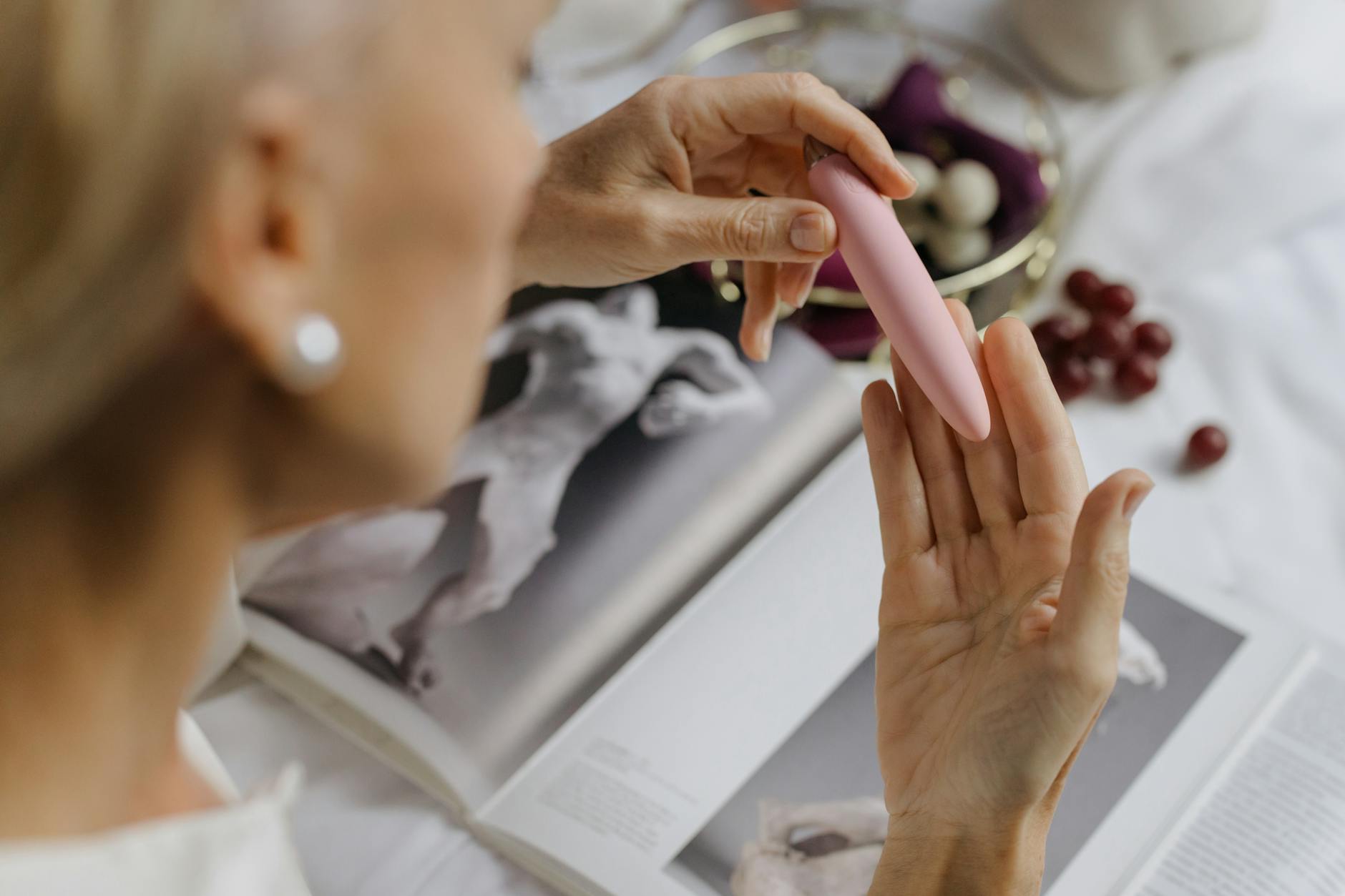
Spend 3-5 minutes daily holding the lemon vibrator. Feel its weight. Notice the silicone against your palm. Don't turn it on. Just let your body get used to having it near.
This sounds overly cautious. I promise it's not. Trauma survivors often skip this step because it feels silly, then rush into sensation before the nervous system is ready. Then they end up triggered and discouraged.
Go slow. Your brain is learning that this object is safe.
When you're ready to turn it on
Maybe that takes a week. Maybe it takes a month. There's no timeline.
When you do turn on a lemon vibrator for the first time, start at the lowest setting. The Lem's pattern 1 is specifically designed for people who are rebuilding sensation after numbness or avoidance, so if you're using a lemon sexual toy, that's where you start.
Do this outside of the bedroom. Maybe sitting on the couch with your pants on, holding it against the outside of your thigh. The goal isn't arousal yet. The goal is to prove to your nervous system that you can feel something and stay safe.
Notice what happens. Do you feel the vibration? Does your body tense? Does your mind go somewhere else? None of these reactions are wrong. They're just data.
The reclamation phase: weeks 3-8
Once your nervous system has gotten comfortable with the sensation, you can start exploring it more intentionally.
Here's what I recommend to clients:
Build a ritual. This sounds formal, but it's not. It's just creating consistency so your brain knows what to expect. Maybe it's: light a candle, put your phone in another room, lie down, take three slow breaths, then explore.
Stay clothed at first. Use the lemon vibrator over underwear or through clothing. The fabric creates a buffer that makes many trauma survivors feel safer.
Focus on non-genital areas first. Your inner thighs, collarbone, forearms, neck. These areas have high nerve density but usually don't carry trauma associations. You're rewiring your nervous system to understand that stimulation equals pleasure, not danger.
If you feel stuck or panicked, stop immediately. No judgment. This isn't failure. Your body is telling you it needs more time. Pause, take the vibrator off, breathe. Try again in a few days.
Moving toward genital exploration
When you're ready to explore clitoral sensation, you've already done the hard work. Your nervous system has practiced safety multiple times. It knows the vibrator isn't a threat.
Start over underwear. Notice what patterns feel good. The Lem vibrator has ten different patterns, so you have options without intensity escalating. Many people find that the gentler lemon sucker sensation (the pulsing patterns rather than steady vibration) feels more controllable because you can sense the rhythm.
Let arousal build slowly. There's no finish line. If it doesn't happen, that's completely normal. Trauma often means arousal takes longer to build, or feels different than it did before. That's not broken. That's just what's true right now.
What if you have a flashback during exploration
This happens. It's not a sign you're doing it wrong.
The moment you notice your mind has gone somewhere else or your body has gone rigid, stop the vibrator immediately. You don't need to be "strong" or push through it. Just stop.
Then ground yourself. Name five things you can see. Feel the texture of your sheets. Feel your feet on the ground. Let your nervous system understand that you're safe in this room, in this moment.
After you feel settled, you can decide: try again tomorrow, or take a longer break. Both are okay.
Many people find that continuing to use a lemon clitoral vibrator during recovery actually reduces flashbacks over time because the nervous system learns through repetition that consensual stimulation doesn't equal harm. But that only works if you stop the moment discomfort appears.
Integrating this with therapy if you're in it
If you're working with a therapist on trauma recovery, mention that you're using a lemon vibrator to reclaim sensation. A good trauma therapist will know why this matters and can help you process what comes up.
Don't hide it. Don't feel ashamed of it. This is part of healing.
Partners and timing
If you're in a relationship, you don't have to share this journey immediately. Some people prefer solo reclamation first. Others want their partner involved from the start.
There's no right answer. But here's what works best: do your rebuilding work solo until you feel ready. Then, if you want to, you can introduce a clitoral vibrator to your partner as part of a conversation about what feels safe and good.
Making that choice is itself an act of reclaiming power.
Why lemon vibrators specifically
Lemon clitoral vibrators are designed with precision and gentleness in mind. The patterns are intuitive. The sensation is consistent. You're not dealing with a toy that surprises you or escalates beyond what you expected.
When you're rebuilding pleasure after hormonal changes with lemon vibrators, similar principles apply: consistency, control, and meeting your body where it actually is, not where you think it should be.
Trauma recovery with a lemon sexual toy works the same way. You're not trying to recreate what pleasure felt like before. You're discovering what pleasure feels like now.
The timeline is yours
Some people rebuild confidence in weeks. Others take months or years. Both are normal.
You're not racing toward some finish line. You're practicing a conversation with your body that might have been interrupted or violated. That conversation doesn't need to move fast. It needs to move at the pace where you actually feel safe.
Every time you use a lemon vibrator and nothing bad happens, your nervous system learns something. Slowly, over time, that accumulates into trust. Trust becomes confidence. Confidence becomes pleasure.
You deserve that. Not because you're "over it" or because enough time has passed. Just because your pleasure matters.
People also ask
Is it normal to not feel pleasure at all during recovery?
Completely normal. Numbness is one of the nervous system's protective mechanisms after trauma. You're not broken. Sensation often returns gradually as you practice safety and consistency. Some people find that using a lemon vibrator helps rewire the numbness because the sensation is predictable and controllable. If months pass with no change, mention it to your therapist or doctor. Sometimes additional support helps.
Can I use a lemon clitoral vibrator if I'm on antidepressants?
Yes. Antidepressants can sometimes make orgasm more difficult or change how sensation feels, but that doesn't mean lemon vibrators won't help. In fact, many people find that the precise pulsing patterns work better than other toys when sensation feels muted. Start at the lowest setting and give yourself patience. Your body might respond differently than before, and that's okay.
What if I freeze up during use and can't stop the vibrator?
That's a freeze response, and it's your nervous system protecting you. If you notice it happening, try these: keep the vibrator within arm's reach of a hard surface (bed frame, nightstand) so you can knock it off if your hands feel stuck. Or place it on a surface you can quickly step away from. You could also practice saying "stop" out loud during use, which helps your nervous system learn that your voice matters. If freeze responses are frequent, this is worth exploring with a trauma-informed therapist.
How long before I feel "normal" again?
Honestly? You might not feel like you did before, and that's not a bad thing. Recovery doesn't mean returning to your previous baseline. It means building a new relationship with pleasure that includes what you've learned about yourself through trauma. Some people report that their sexuality becomes more intentional, more grounded, and actually more satisfying after recovery. That takes time, but it's real.
Can lemon sexual toys help if my partner caused the trauma?
If your partner was the source of harm, solo exploration with a lemon vibrator can be a powerful part of reclaiming pleasure on your terms. It's healing work that doesn't require their participation or approval. If you're still with that partner and working on the relationship, this is something to process with a therapist who specializes in trauma and infidelity or abuse. Your pleasure recovery is separate from whether the relationship survives.
What if I want to use a lemon vibrator with my partner eventually?
That's possible, and for many people, it's part of rebuilding intimacy. The key is doing your solo work first so you understand what feels good without pressure. Then, when you're ready, you can invite your partner into the experience on your terms. Communication is everything here. Tell them what you need: "I want you to hold me while I explore" or "I need you to leave the room and check in afterward" or "I want us to use this together slowly." Your needs might shift. That's normal. Check in regularly.
Trauma recovery with tools like a lemon vibrator isn't about rushing toward pleasure. It's about practicing safety, reclaiming control, and learning that your body can feel good again. That work happens at your pace, on your timeline, in whatever way feels right for you.