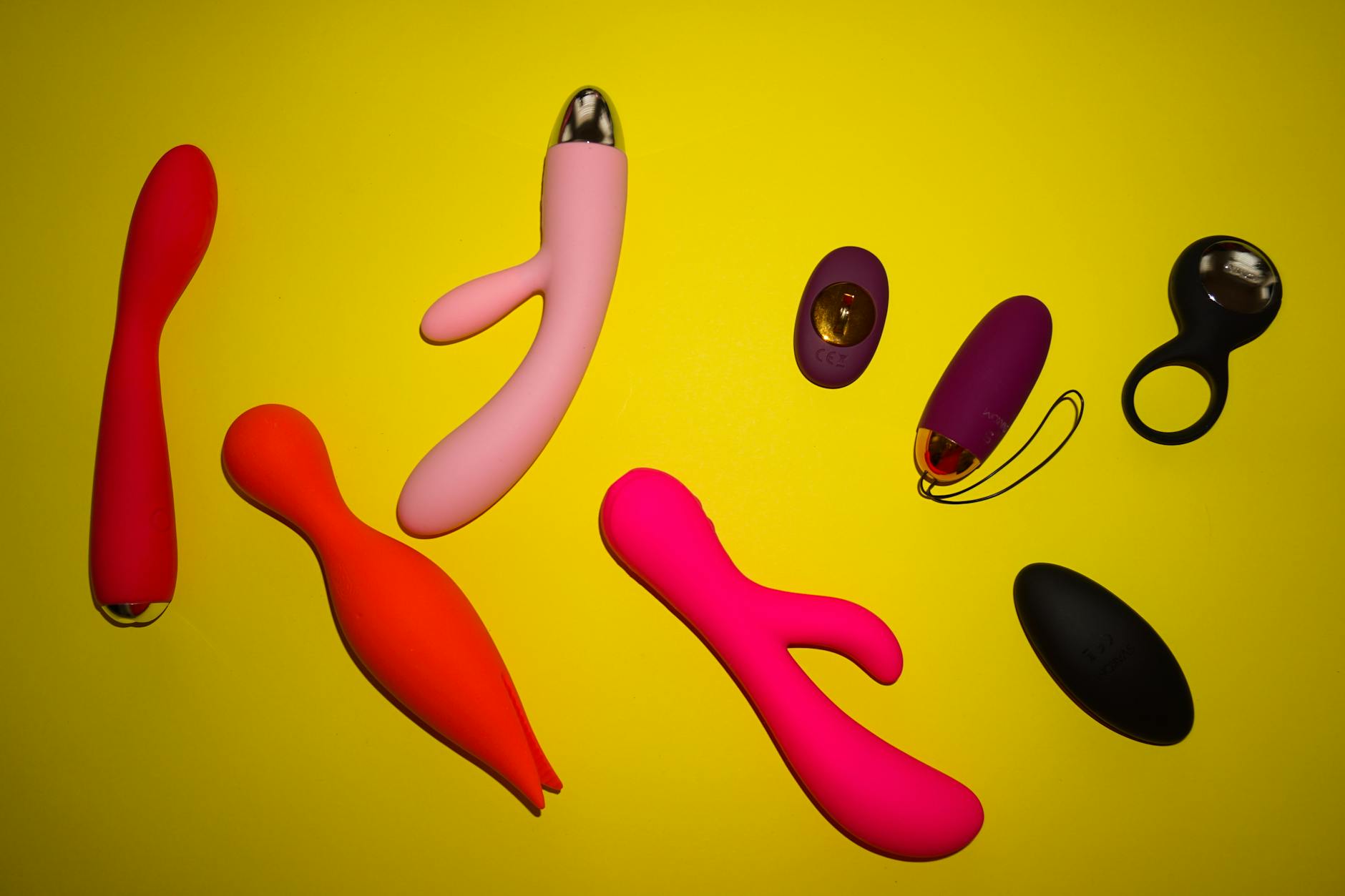
Let's talk about what hormonal changes actually do to pleasure
Hormones shift, sensation changes. That's not failure. That's just biology telling you it's time to adjust your approach. The problem is nobody explains how or why.
When your estrogen levels drop, your tissue becomes thinner and more fragile. Blood flow to the clitoris decreases slightly, which means arousal takes longer to build and feels less urgent. Lubrication changes. Sometimes sensation itself feels muted or distant. If this describes where you are right now, you're not broken. You're just working with different hardware.
Why sensation feels different after hormonal shifts
Three things happen physically when hormones change. First, the clitoral tissue becomes less engorged during arousal because reduced estrogen affects blood vessel dilation. Second, your pelvic floor loses some of its elasticity, which means orgasms may feel shallower or more localized. Third, the timeline changes. What used to take five minutes of foreplay might now take fifteen or twenty.
None of this means pleasure is gone. It means the pathway changed. The nervous system is still there. The nerve endings are still firing. Your brain still lights up the same way during climax. But the route to get there needs recalibrating.
Most people assume this is permanent or unfixable. That's where clitoral vibrators become genuinely useful. A lemon vibrator, specifically, works better for post-hormonal bodies because it uses suction and pulse patterns instead of direct vibration. That distinction matters.
How lemon vibrators work differently on changed tissue
Traditional vibrators rely on direct contact and rapid oscillation. When your tissue is thinner or more sensitive, that can feel abrasive or even painful. A lemon sucker uses air-pulse technology, which creates a gentle seal and applies rhythmic suction to the clitoris. This stimulates the entire clitoral structure, not just the surface.
For someone experiencing reduced sensation after hormonal changes, this is the real win: suction reaches deeper nerve clusters that direct vibration might miss. You're not fighting your body's new setup. You're working with it.
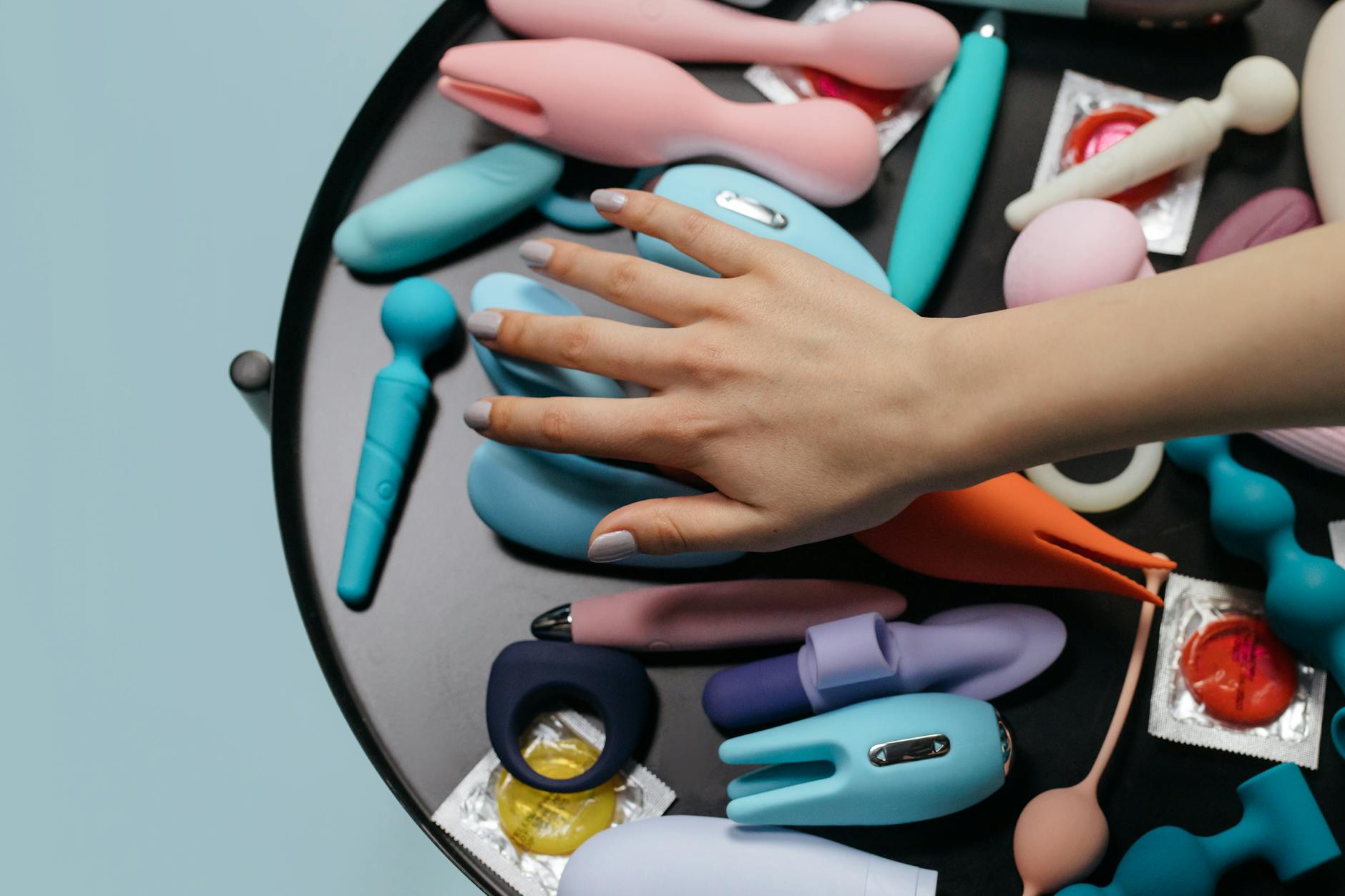
Photo by cottonbro studio on Pexels
The pattern matters too. Most lemon clitoral vibrators come with multiple settings, usually starting at a very gentle pulse and ramping up. After hormonal changes, you'll want to start at the lowest setting and spend time there. Your arousal is building slower, and that's actually useful information. It means you have time to explore what your body is responding to now versus what it responded to before.
The warm-up window is now your advantage
Before hormonal changes, you might've jumped straight to intensity level 5 and been done in ten minutes. That worked fine when everything was responding quickly. Now that arousal is slower, you have something better: time to actually feel what's happening.
Start with 15 to 20 minutes of solo exploration. Use a water-based lubricant (silicone lubes can damage toys and don't help the tissue anyway). Place the lemon vibrator on settings 1 or 2 and simply hold it against your clitoris without pressure. Let your body tell you when it's ready for more intensity. You're not rushing toward an orgasm. You're rebuilding the sensation map.
What most people find is that pleasure comes back, but it's different. Sometimes better. Clients frequently report that orgasms after hormonal changes feel less frantic and more integrated. They last longer. They involve more of the body. That's not a compromise. That's an upgrade you didn't know you were getting.
Partnered sex after hormonal shifts
If you have a partner, the conversation matters more than the toy. Your body isn't performing differently because you're less attracted or less capable. It's performing differently because your endocrine system changed. That's not the same conversation as intimacy or desire.
Here's what actually helps: using a lemon vibrator during partnered sex as a neutral third party. It's not about your partner not being enough. It's about giving your nervous system the right input to wake up. A lot of couples find that adding a clitoral vibrator into foreplay actually deepens connection because there's less pressure on both people to perform. You're exploring together instead of auditioning.
If you've been avoiding sex because sensation feels muted, one session with a lemon vibrator often shifts that. Literally. Your body remembers what pleasure feels like when you give it the right stimulus. Then you can bring that back into partnered exploration.
Lubrication is now your essential baseline
Before hormonal changes, you might've skipped lubrication. Afterward, it's foundational. Not because you're broken. Because tissue thickness changed and friction matters more.
Use a water-based lubricant. Apply generously. The lemon vibrator will work better, sensation will feel clearer, and you'll avoid any irritation. Some people find that after using proper lubrication for a few weeks, their body starts producing its own lubrication more readily. It's not about the lubricant doing the work for you. It's about reducing friction so your nervous system can focus on pleasure instead of managing discomfort.
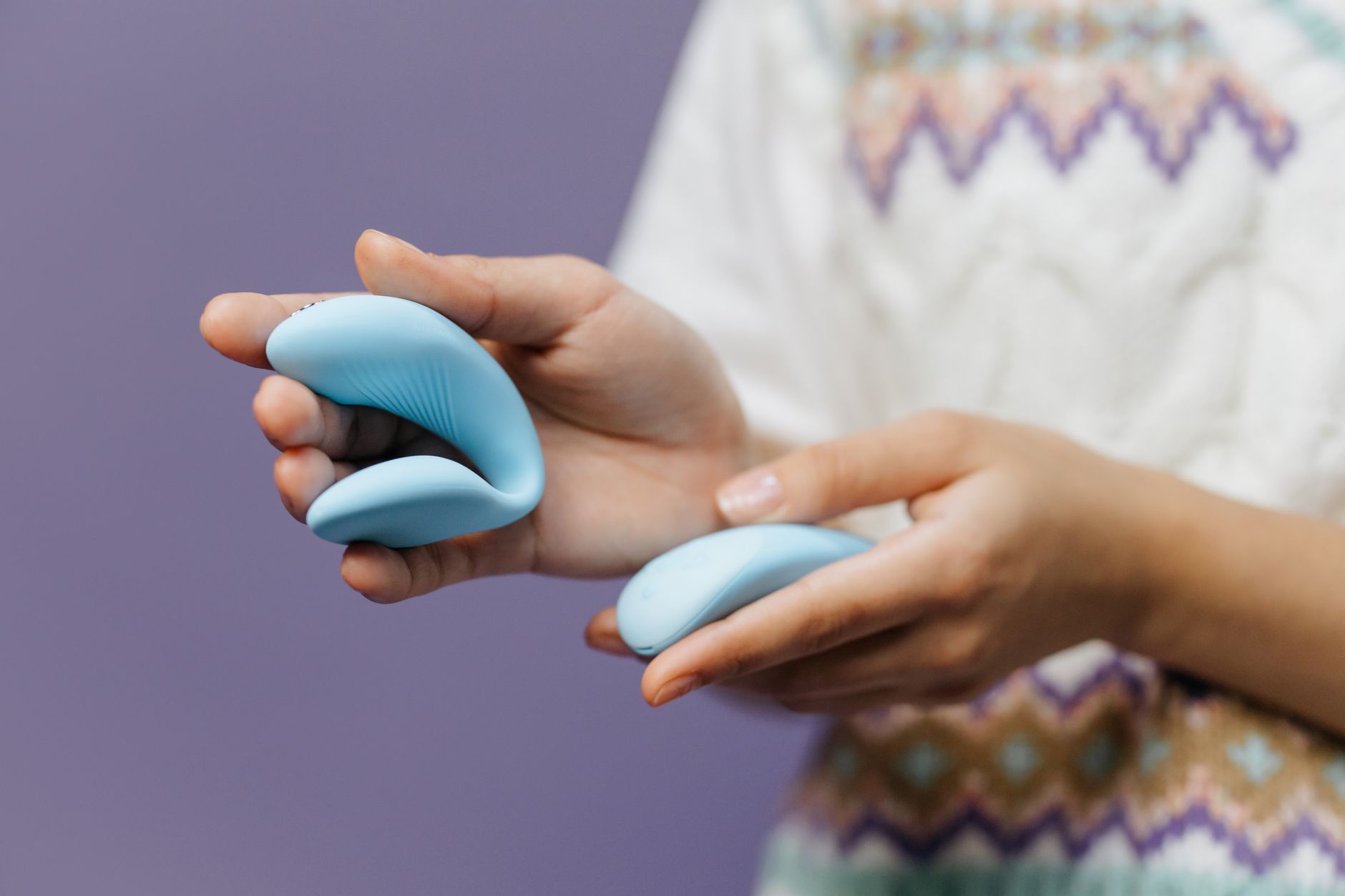
Photo by cottonbro studio on Pexels
When to seek extra support
If pain appears during any sexual activity, that's your signal to talk to a healthcare provider. Genitourinary syndrome of menopause (GSM) is real and common, and it's highly treatable with topical therapies that have minimal systemic absorption.
If you've tried a lemon clitoral vibrator consistently for three weeks and sensation still feels completely absent, get your hormone levels checked. Sometimes what feels like permanent numbness is actually a sign that your body needs different support than you're giving it.
Most of the time, though, the answer is patience plus the right tool. A lemon vibrator is that tool because it works with your body's new setup instead of against it.
The timeline for rebuilding pleasure
Realistically, you'll notice shifts in the first week or two of consistent use. Sensation starts to feel clearer. Arousal builds slightly faster. Orgasms start to feel more intense again.
Over a month or two, your body recalibrates more completely. You find out what your new pleasure map looks like. Sometimes it's wider. Sometimes it's deeper. Frequently it's both.
The key is not treating this like a problem to solve in one session. Treat it like learning a new language your body is speaking. You already know the grammar. You're just updating your vocabulary.
FAQ: Rebuilding pleasure after hormonal changes
How long does it take to regain normal sensation after hormonal changes?
Most people notice shifts within one to three weeks of consistent exploration with the right tool. But "normal" is misleading. Your sensation won't go back to what it was before. It'll become something different and often richer. Full recalibration typically takes four to eight weeks. That's not slow. That's exactly the timeline your nervous system needs.
Is it normal for orgasms to feel different after hormones shift?
Completely normal. Estrogen drop changes blood flow to the clitoris, which changes how sensation builds and releases. Orgasms after hormonal shifts often feel more localized or take longer to build, but they're frequently more intense when they arrive. Different doesn't mean worse.
Can a lemon vibrator help if I've lost interest in sex entirely?
Sometimes. If the loss of interest is purely physical (sensation is muted so sex feels pointless), a lemon clitoral vibrator often reignites things by reminding your nervous system what pleasure actually feels like. If the loss of interest is emotional (stress, relationship stuff, grief), the vibrator is a useful reset but not a complete solution. You might need both the tool and a conversation with a therapist.
Will using a lemon vibrator make partnered sex feel redundant?
Opposite, usually. Most couples find that adding a lemon sucker into foreplay increases intimacy because there's less pressure. Everyone's nervous system gets what it needs. Sex becomes less about performance and more about connection. The vibrator is a facilitator, not a replacement.
How often should I use a lemon vibrator to rebuild sensation?
Three to four times per week for the first month gives your nervous system consistent input without overdoing it. After that, use it as much as you want. Pleasure doesn't have a training schedule. But consistency in the beginning speeds up recalibration.
What if lemon vibrators don't work for me?
Try different intensity levels and patterns. Sometimes people need to start even gentler than they think. Sometimes the issue is lubrication, not the vibrator. Sometimes you need to adjust how long you warm up. If none of that shifts things after a month, see a healthcare provider. Occasionally hormonal changes need additional medical support, not just a different toy.
Your pleasure is worth rebuilding. And it is rebuilding. Not going backward. Your body knows how to feel good. It just needs the right conditions and the right tool to remember.
Ready to start exploring? If you're unsure which tool fits your needs, check out Nancy Lem Shop's buying guide for specific recommendations on clitoral vibrators suited to different sensitivity levels. Or reach out to our team if you want personalized guidance on what might work best for your body right now.