
How to Use a Lemon Vibrator When Recovery Affects Intimacy
Let's be real. Recovery is not sexy. Whether you're healing from surgery, managing a chronic illness flare-up, or rebuilding strength after an injury, your body feels like it belongs to the medical system, not to you. The thought of pleasure can feel far away, frivolous, or even physically impossible.
But here's the thing: rebuilding intimacy during recovery isn't frivolous. It's medicine. And a lemon vibrator, with its gentle suction technology, can be one of the smartest tools you bring into this phase.
I've worked with dozens of clients navigating post-surgery intimacy, and the pattern is always the same: the body heals faster when pleasure is part of the picture. That's not me being optimistic. That's neuroscience. Orgasms increase blood flow, reduce cortisol, and signal to your nervous system that it's safe to relax. For a recovering body, that signal matters.
Why your body feels different during recovery
Recovery changes almost everything about how your body responds to touch. Here's what's actually happening.
Your nervous system is in protection mode. When you're healing from surgery or illness, your body allocates resources to repair. Your nervous system gets tense, hypervigilant, waiting for the next threat. This means arousal takes longer, sensation feels muted, and sometimes even light touch feels irritating instead of pleasurable.
Inflammation and scar tissue affect sensation. Post-surgical swelling, even months after a procedure, can change how nerves fire in sensitive areas. If you've had abdominal, pelvic, or gynecological surgery, the tissue around your clitoris and vulva may feel numb, tender, or hyperresponsive.
Medications dull everything. Pain killers, antibiotics, antidepressants, anti-inflammatories—they all affect blood flow and neural response. Some medications make orgasm nearly impossible. Others just slow everything down.
Psychological recovery lags behind physical recovery. You might be medically cleared but emotionally still scared of your body. That fear is real and it blocks arousal. You're not broken. Your brain is protecting you.
This is exactly where a lemon vibrator helps in ways other tools don't.
Why lemon clitoral vibrators work during recovery
A lemon sucker like those offered by Hello Nancy uses gentle air-pulse technology instead of direct vibration. That matters during recovery for three reasons.
Less pressure, more pleasure. The suction of a lemon clitoral vibrator stimulates without heavy mechanical friction. If your tissue is tender from surgery or inflammation, this gentleness is everything. You get stimulation without the aggression.
Speeds up arousal response. The air-pulse pattern on a lem vibrator mimics the body's natural arousal pattern, which means your nervous system recognizes it as safe. Studies show that this type of stimulation activates arousal pathways faster than traditional vibrators, especially valuable when your system is running slow.
Gives you control. Recovery is about reclaiming your body. A lemon vibrator lets you start at the gentlest setting and work up at your own pace. You're not fighting a preset intensity. You're deciding.
The timeline: when to start
Here's what I tell clients. The rule is not medical clearance. It's your nervous system's readiness.
After abdominal or pelvic surgery, wait until you're at least 6-8 weeks post-op and cleared by your surgeon for sexual activity. That's non-negotiable. Tissue is still bonding. But clearance is the floor, not the destination.
Start with external touch only. This means your lemon vibrator stays on the vulva, away from the vagina, any incisions, or surgical sites. External stimulation is lower-risk and lets you test how your body responds without deeper pressure.
Begin with short sessions. Five to ten minutes, maximum. Your body gets tired faster when it's healing. Pushing for a 20-minute session will leave you exhausted and frustrated. Short wins are the goal.
If pain appears, stop immediately. Pain is not something to push through. It's information. Your body is saying something isn't ready. Respect that.
How to actually use your lemon vibrator during recovery
Start small. Use only the lowest setting for the first week. The gentlest pulse on a lem vibrator is already sophisticated enough to build arousal. Resist the urge to jump to higher intensities. Slow is not a failure. Slow is the point.
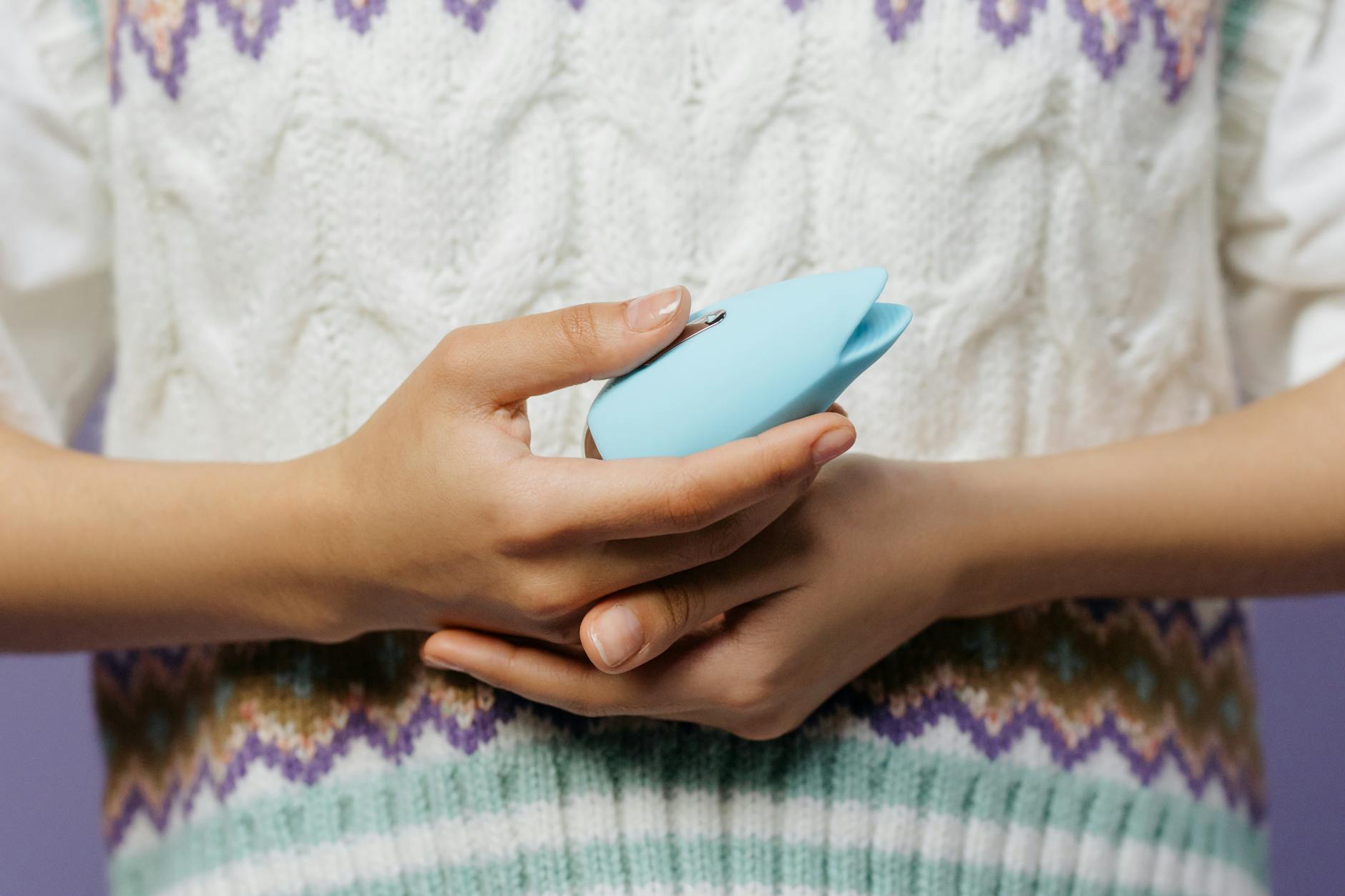
Photo by cottonbro studio on Pexels
Warm up first. Spend 10-15 minutes on other kinds of touch before introducing the vibrator. A warm bath, gentle self-massage, maybe a partner's hands on non-tender areas. Your nervous system needs permission to shift out of protection mode. A vibrator shows up better when the soil is already softened.
Use lube, even if you don't think you need it. Recovery often means reduced natural lubrication from inflammation, medication, or just the stress response itself. A good water-based lube makes everything feel better and protects sensitive tissue. Plus, it signals to your body that this is safe play, not a medical procedure.
Positioning matters. Find a comfortable position that puts zero pressure on surgical sites or tender areas. Lying down with pillows supporting your back and knees is usually safest. Avoid positions that engage your core or stretch healing tissue.
Stop before you're exhausted. The goal in early recovery is not the orgasm. The goal is reconnecting with pleasure as safe. If you come, great. If you don't, that's also great. You're building the neural pathway that says "my body can feel good again." That matters more than the endpoint.
The conversation with your partner
If you're in a partnership, recovery is a conversation, not a performance. Here's what I recommend.
Separate "my body is healing" from "I still want connection." These are two different needs. Healing is medical. Connection is emotional. Don't make them the same conversation. Say: "My incision is still tender, but I want us to feel close. Can we explore this together?"
Let them know what safety looks like. Show your partner where you can be touched and where you can't. Make it tactile, not conceptual. Let them touch the areas that feel safe so they understand the boundaries in their hands, not just in their head.
Use the vibrator solo first. Bringing a lemon vibrator into partnered recovery can create pressure. You're worried you won't respond. Your partner is worried they're doing it wrong. Start alone, build your confidence, then integrate your partner when you're ready. This is not rejection. It's strategy.
Reframe recovery pleasure as something you're doing together, even when it's solo. Your partner can be in the room. You can narrate what feels good. They can hold you after. Pleasure is not just the moment of orgasm. It's the whole experience of being cared for and reconnected.
Rebuilding after specific procedures
Post-hysterectomy recovery is unique because it affects so much anatomy at once. Expect 8-12 weeks before you're truly ready for a lemon vibrator, and even then, start external only. Many clients report that sensation actually improves after full healing because you're not navigating painful periods or hormonal swings anymore.
After c-section, respect the abdominal incision. A lemon clitoral vibrator is perfect because it doesn't require core engagement. But avoid any position that strains your abdomen or puts pressure on the scar site. Some clients find that the pelvic floor is hypersensitive after c-section delivery. Go slower than you think you need to.
During cancer treatment or recovery, your medical team should clear you before any genital stimulation. But a lemon vibrator's gentle suction is often better tolerated than traditional toys if treatment has caused tissue changes. Some clients find it helps manage the psychological impact of treatment by reclaiming their body as pleasurable, not just medical.
After injury or chronic pain flare-ups, the principle is the same: external, gentle, low-intensity, and always with permission from your body. If your injury affects your pelvic floor (lower back pain, hip issues), a lemon vibrator might actually help by improving blood flow, but only if pain is not present during use.
What to expect in the first month
Your first few sessions might feel weird or emotional. You're rebuilding a connection that felt broken. That's a lot. Some clients cry the first time pleasure feels accessible again. That's not failure. That's healing.
Arousal will probably come slower than before. Give it time. Your nervous system is learning that pleasure is safe again. Fast arousal is not the measure. Reliable arousal is.
You might not orgasm for a while. That's normal. The pathway is still recalibrating. Some clients take three to four weeks of regular, gentle sessions before orgasm returns. This is fine. You're rebuilding, not performing.
Gradually, sensation will sharpen. Around week three or four, most clients report that pleasure feels more present, more familiar. The nervous system has gotten the message that it's safe to respond. This is when you can start experimenting with slightly higher intensities, longer sessions, or partner involvement.
Some clients find that post-recovery pleasure is actually better than before. Your body knows itself better now. Your patience is deeper. Your appreciation for what works is real. A lemon vibrator, used with intention during recovery, often becomes part of long-term pleasure practice because you've learned how to use it thoughtfully.
FAQ: Recovery and Lemon Vibrators
When is it safe to use a vibrator after surgery?
Wait for medical clearance from your surgeon, then trust your body's signals. Most post-operative guidelines suggest waiting at least 4-6 weeks for external genital stimulation after vaginal delivery or gynecological surgery, and 6-8 weeks after abdominal surgery. But clearance is not the same as readiness. If you're still experiencing pain, swelling, or infection risk, wait longer. Start with the gentlest setting on your lemon vibrator and stop immediately if you feel pain.
Can I use a lemon vibrator if I have infection risk or open wounds?
Absolutely not. Any active infection, open incisions, or fresh sutures mean no genital stimulation at all. Wait until your surgeon confirms that tissue is sealed and infection risk has passed. This usually takes at least 2-3 weeks, sometimes longer. Using a vibrator too early can introduce bacteria or tear healing tissue.
Why is a lemon sucker better than a regular vibrator during recovery?
Lemon clitoral vibrators like the Lem use gentle suction technology instead of traditional vibration. This means less aggressive friction on tender tissue, more control over intensity, and a pattern that mimics natural arousal more closely. For recovering bodies, especially after pelvic surgery, this gentleness is often the difference between pleasure and pain.
What if I can't feel much sensation yet?
That's completely normal during recovery. Inflammation, scar tissue, medication, and nervous system protection all reduce sensation. Keep using your lemon vibrator at the gentlest setting. Don't chase big feelings. You're training your nervous system to recognize pleasure as safe again. Usually, sensation sharpens over 4-8 weeks as healing progresses and your system relaxes.
My partner wants to help, but I'm nervous. What do we do?
Start with conversation, not touch. Tell your partner exactly where you're tender, where you can be touched safely, and what you're hoping to rebuild. Use a lemon vibrator solo first so you can rebuild confidence in your own body. Then, if you want, invite your partner to be present while you use it. They can hold you, narrate encouragement, or just sit nearby. You're rebuilding intimacy, not just orgasm.
How long does it take for pleasure to feel normal again?
This varies wildly. Some clients feel back to normal arousal in 4-6 weeks. Others take 3-4 months, especially after major surgery or long illness. And some discover that "normal" doesn't apply anymore. Your body has changed. It might respond differently, more slowly, more intensely in different ways. A lemon vibrator helps you meet your body where it actually is, not where it used to be.
Should I expect orgasm to be different after recovery?
Yes, probably. Tissue changes, scar tissue, hormonal shifts from surgery or medication all affect the shape and intensity of orgasm. Some clients say orgasms feel more concentrated. Others report that it takes longer but feels deeper. A few find that sensation is actually heightened post-recovery. A lemon vibrator lets you explore what feels good in your new body, at your own pace, without pressure to recreate what came before.
The bigger picture
Recovery is not about going back to normal. It's about moving forward into a body that's been through something and learned from it. Rebuilding intimacy with a lemon vibrator during recovery is one way of saying: "I see you've changed. I'm curious about what feels good now."
That curiosity, that gentleness, that patience with yourself—that's what actually heals. The vibrator is just the tool. You're the one doing the work.
If you're navigating recovery and want support navigating intimacy conversations with a partner, reach out. I'm here to help you rebuild connection at whatever pace feels right for your body.
Additional Resources
For more on rebuilding pleasure after life changes, see our guides on how to use a lemon vibrator when you feel disconnected from your body and how to use a lemon vibrator to rebuild pleasure after depression. Both cover nervous system recovery in detail.