Let's talk about what nobody mentions in the hospital discharge papers
Your body just did something extraordinary. It also just went through trauma, even if it was a beautiful kind. One side effect nobody adequately prepares you for: postpartum sensation loss. You might feel numb down there. Dulled. Like someone turned the volume down on the entire region. This is not in your head. It's happening, it's common, and it gets better.
Here's the thing: pleasure doesn't disappear after childbirth. But accessing it sometimes requires a different approach, at least for a while. That's where understanding how to use a lemon vibrator during postpartum recovery becomes genuinely helpful.
Why sensation feels different after giving birth
Several things happen at once. Nerves swell from the stretching and tearing (even if you didn't tear visibly). Hormones drop dramatically. Blood flow redistributes as your body stops feeding a pregnancy and starts healing from delivery. The pelvic floor muscles that were stretched are learning to re-engage. Add sleep deprivation, the physical load of caring for a newborn, and hormonal fluctuations, and yeah. Sensation loss isn't just possible. It's predictable.
Most people regain full sensation within 3 to 6 months postpartum. Some take longer. A few notice things have actually shifted in interesting ways after recovery. But that numbness in the first weeks to months? Totally normal.
The misconception is that you need to wait passively for sensation to return. You don't. Gentle, intentional stimulation actually helps rewaken nerve pathways.
Why lemon vibrators work particularly well for postpartum bodies
Traditional vibrators use constant, high-amplitude buzzing. Your postpartum pelvic floor and sensitive tissue don't need that yet. What you need is something gentler that can still reach nerve endings without aggressive pressure.
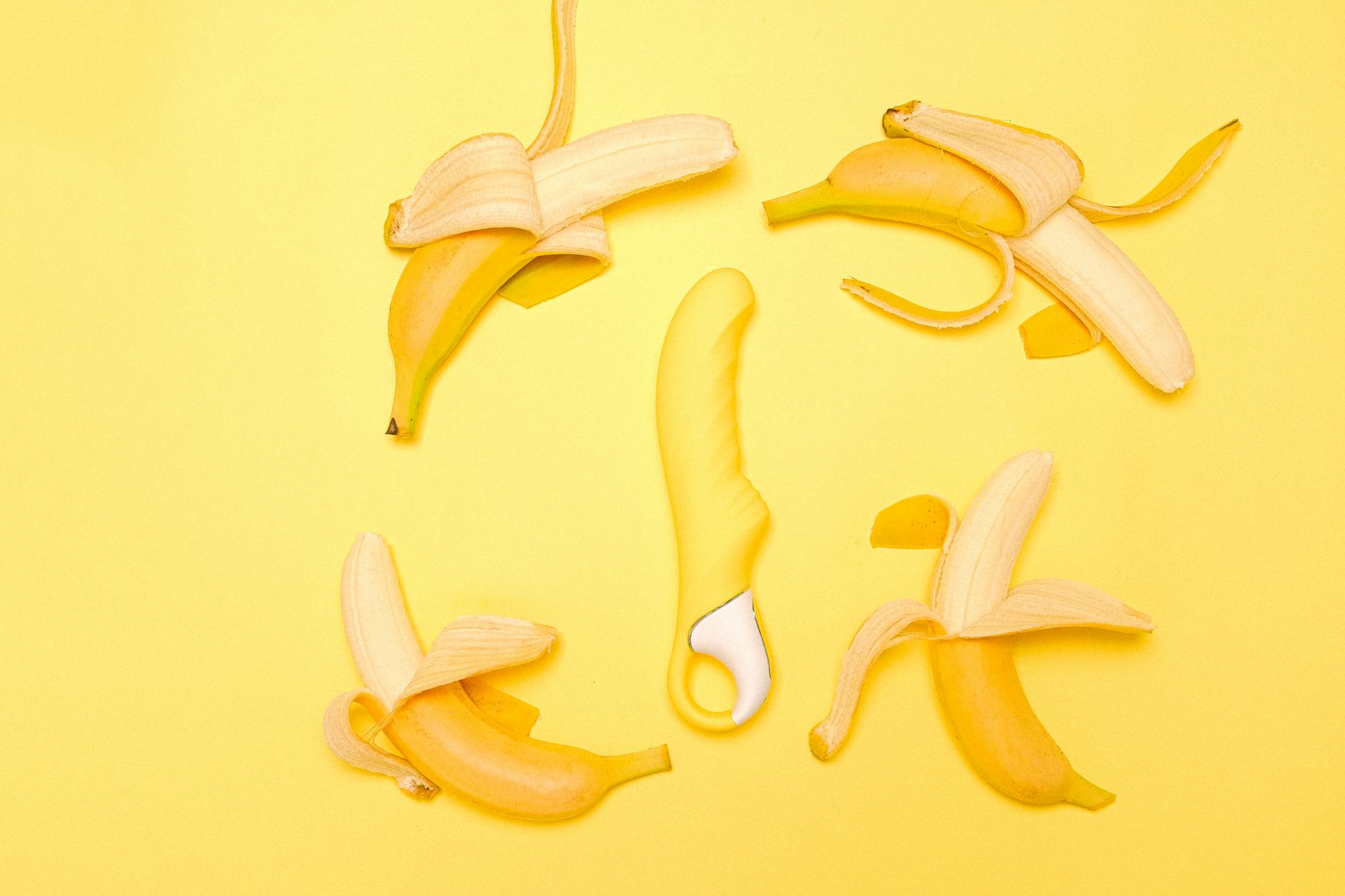
Lem vibrators use suction, not vibration. The lemon clitoral vibrator specifically creates a gentle, rhythmic pulse that stimulates without harsh friction. For someone experiencing postpartum numbness, this matters because suction works deeper than surface stimulation. It activates neural pathways without demanding the kind of direct pressure that might feel uncomfortable on freshly healed or still-sensitive tissue.
Think of it as reawakening sensation gradually, rather than shocking the system back to life.
The postpartum timeline for using a lemon sucker
First 6 weeks: Stop. Your body needs to heal. Your doctor will give you clearance, usually around 6 weeks, but healing happens on different timelines. Wait for the all-clear before introducing any internal or external stimulation beyond basic hygiene.
Weeks 6 to 12: Start gentle. If your doctor clears you and you're interested, begin with the lowest setting. Many people find that even light suction feels unfamiliar at first. That's the nervous system waking up. Sessions should be short. 10 to 15 minutes. No pressure to finish or achieve anything.
Months 3 to 6: You'll likely notice sensation gradually sharpening. Your body is remembering how to respond. You can explore higher intensity if you want, but there's no rush. Some people find that lower settings remain most pleasurable even months in.
Beyond 6 months: Most people report sensation has normalized or shifted into something new. Some say postpartum orgasms feel more concentrated. Others notice they take longer but feel deeper. There's no "back to normal." There's just a new baseline.
Getting the most from a lemon vibrator during postpartum recovery
Start when your body is relaxed, not when you're already trying to reach a goal. The point isn't performance. It's reconnection. Give yourself 20 to 30 minutes where nobody needs you and you're not monitoring the baby monitor half-focused.
Use lubrication. Your postpartum hormones may not be producing as much natural lubrication as before pregnancy. Water-based lube is your friend. It reduces friction and makes everything feel less clinical.
Begin with the lowest setting. Your nervous system has been through a lot. Gentle introduction to sensation is the whole framework here. You can increase intensity next time if you want.
Notice what you notice. Sensation loss isn't uniform. You might feel numb in one area and hypersensitive in another. Some people find that the perimeter of the area feels responsive while the center feels distant. This is all data. It's not a problem to solve. It's information about where you are right now.
Don't use pleasure as another metric to optimize. We do this with sleep, weight, baby feeding, everything postpartum. Don't add "having an orgasm" to the productivity list. Let it be something that exists outside achievement.
The emotional piece nobody talks about
Postpartum sensation loss sometimes arrives tangled with bigger feelings. Your body just created life and also felt invaded, stretched, possibly torn. You're running on fumes. Your partner might want intimacy. You're touched out from the baby. And now there's numbness on top of everything else.
This is where a lemon vibrator becomes more than a physical tool. It's a way to reclaim your body as yours. Not as someone else's body. Not as a feeding or recovery machine. Your body. Your sensation. Your timeline.
If you have a partner, it's worth saying out loud: "I'm exploring pleasure on my own terms right now. This isn't about you or us. This is about me reconnecting." That distinction prevents a lot of misunderstanding.
When to check in with a provider
If sensation hasn't started improving by 4 to 5 months postpartum, mention it at your next checkup. Rarely, nerve damage from delivery is significant enough to warrant specialist evaluation. More commonly, a quick conversation with your OB gives you concrete reassurance.
If pain appears during stimulation that wasn't there before, stop and get it checked. Postpartum pain can signal infection or other issues that need attention.
If sensation returns but feels dramatically different in a way that troubles you, that's also worth discussing. Sometimes postpartum changes include shifts in what feels good, and sometimes they reflect something treatable like hormonal imbalance.
Most providers are matter-of-fact about postpartum pleasure. They get it. You don't need to feel awkward raising it.
The reassurance you actually need
Your capacity for pleasure didn't leave with the placenta. It's still there. It's just temporarily quieter. Using a lemon clitoral vibrator during this window gives your nervous system permission to wake back up gradually, without pressure or timeline. You're not broken. You're not less. You're exactly where your body needs to be, and you're taking an active role in your own recovery. That matters.
For more context on rebuilding sensation after major life changes, you might find value in exploring how lemon clitoral vibrators improve sensation after years of numbness. That piece covers longer-term sensation recovery, which shares some principles with postpartum recovery even though the timelines differ.
If you're navigating this with a partner, how to use a lemon vibrator when your partner wants to try toys together offers conversation frameworks that work for any shared exploration, including postpartum reconnection.
People also ask
How long after childbirth can I safely use a lemon vibrator?
Wait for medical clearance, typically 6 weeks postpartum, before introducing any external stimulation. Some people need more time. Your body will signal if something doesn't feel right. Start gently once you're cleared, and listen to what your nervous system tells you. There's no rush. Your pleasure isn't going anywhere.
Will using a lemon sucker help sensation return faster?
Gentle, intentional stimulation does seem to help reactivate nerve pathways, but "faster" isn't the right frame. You're not racing. Regular, low-pressure exposure probably helps sensation normalize more smoothly than complete avoidance, but the timeline is still biological. Your body will do what it needs to do. A lemon clitoral vibrator just makes the waiting less passive.
Can I use a lemon vibrator if I'm breastfeeding?
Absolutely. Using a lemon vibrator doesn't affect milk supply, hormone levels relevant to breastfeeding, or anything else about lactation. Your pleasure and feeding your baby operate on completely separate systems. The main challenge isn't medical. It's logistical. Finding 15 uninterrupted minutes while breastfeeding demands most of your time and energy. That's a stamina question, not a safety question.
What if sensation loss includes pain during stimulation?
Stop and check with your provider. Pain during postpartum stimulation can signal infection, unhealed tearing, or pelvic floor tension that needs attention. This isn't common, but it's not rare either. A quick conversation with your OB takes five minutes and could prevent weeks of discomfort. Don't power through pain thinking it's part of recovery. It usually isn't.
Does postpartum sensation loss mean my orgasms will be different permanently?
Maybe. Some people find that postpartum orgasms feel stronger, more localized, or easier to achieve than before. Others notice they take longer. A few feel like orgasms are exactly the same. Everyone's different. What's constant is that sensation does eventually return, even if what it feels like has shifted. You're not losing capacity. You're potentially gaining a different experience.
Is it okay to use a lemon vibrator while still bleeding postpartum?
No. Wait until postpartum bleeding has stopped. Your uterus is still contracting and healing. Introducing vibration during heavy bleeding can interfere with that process. Once spotting has lightened or stopped and you're cleared by your provider, you're good to go. That waiting period is temporary, and it's there for a reason.
You're not alone in this
Postpartum sensation loss is one of those things that happens to tons of people and almost nobody talks about. You're not broken. Your body is healing. And you're doing the right thing by exploring what helps you reconnect. That's exactly what recovery looks like.