Let's start with the honest part
When a partner suggests bringing a toy into the bedroom, the first thing most people feel is not excitement. It's usually some version of "Wait, am I not enough?" That's a completely human response. It's also almost never what your partner actually means.
Here's what they usually mean: "I want to explore this with you. I want us both to feel good. I trust you enough to be vulnerable about this." Those are actually pretty beautiful things. The challenge is that anxiety can drown out the actual message.
What introducing a lemon vibrator actually changes
First, the reframe. A toy isn't a replacement for you. It's an instrument, like adding a guitar to a conversation that was only ever acoustic. The dynamic between you two, the trust, the touch, the presence? All of that stays exactly the same. What changes is sensation.
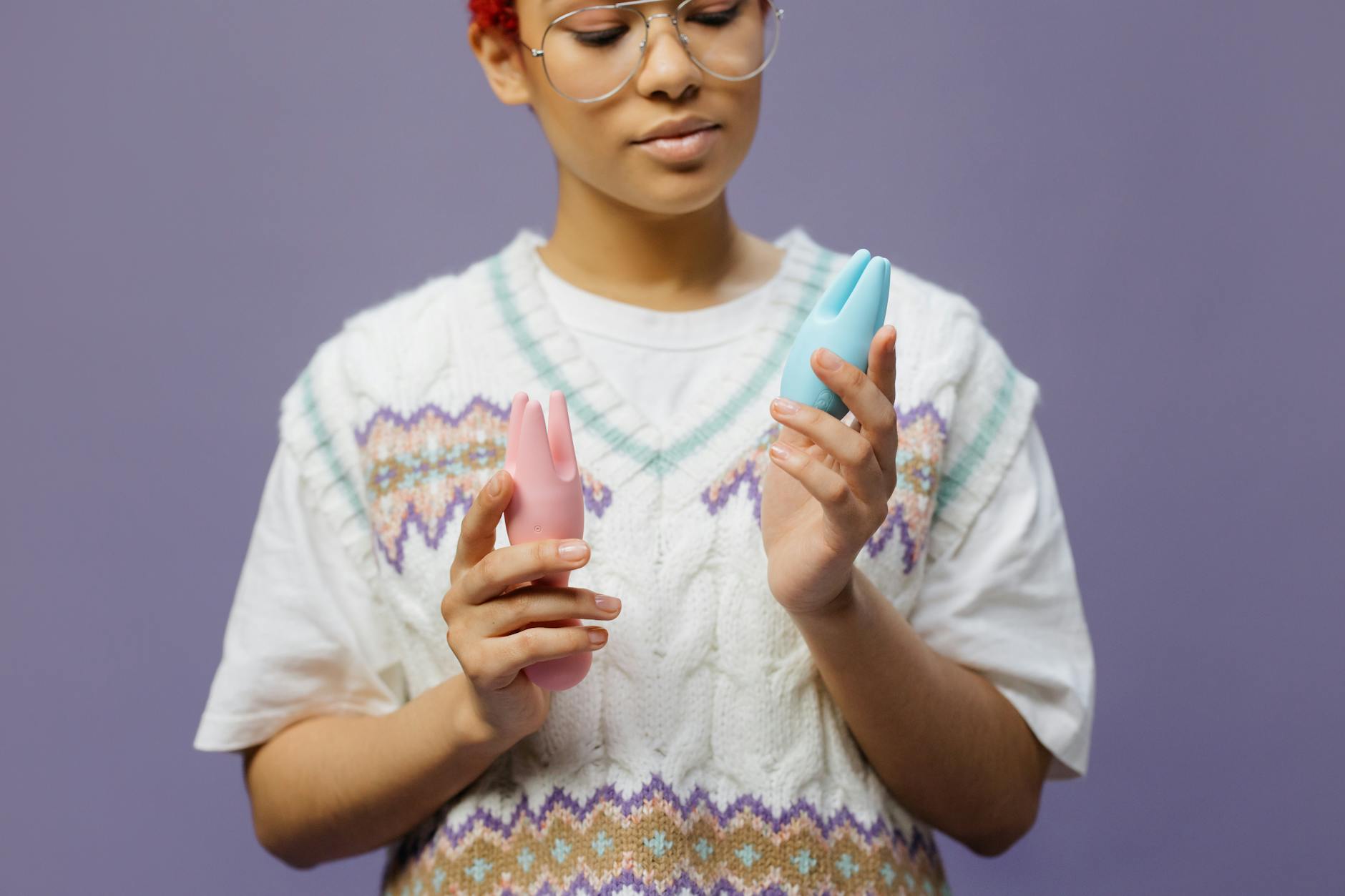
Lemon clitoral vibrators like the Lem work through air-suction technology rather than traditional vibration. That means the stimulation feels fundamentally different from anything hands or a penis can provide. For many people, that difference is the whole point. It's not that fingers or penetration stop working. It's that a lemon sucker creates a specific sensation that hands alone can't replicate.
When your partner suggests this, they're usually not saying "Your body isn't working." They're often saying "I want to feel something we haven't experienced together yet." There's a meaningful difference.
Why your partner probably brought this up
Think about what prompted the conversation. Did they mention it during sex? Casually in bed? After watching something? After a dry spell or a shift in what feels good? The context matters because it tells you what they actually want.
If they mentioned it because penetration feels less connected lately, they want intimacy plus sensation. If they mentioned it because they came across something online, they might just be curious. If they mentioned it because you've both felt a bit stuck in routine, they want novelty with safety. Those are three very different conversations, and collapsing them all into "my partner wants a vibrator" misses the actual invitation.
Most of the time, what your partner wants is not a toy. It's permission to want something new. It's partnership in exploring that. And that's something you can absolutely give.
The conversation before you buy anything
Don't just order a lemon vibrator and surprise them with it. Have an actual conversation first. Here's what I recommend asking.
"Why does this appeal to you?" Listen to the answer without jumping to reassurance. Your partner might say: "I've always been curious," or "I think it would feel different," or "I want to experience pleasure with you in a new way." Each answer tells you something real about what they want from this.
"What are you imagining when we use it?" Are they picturing solo use during partnered sex? Are they picturing you using it on them? Are they picturing you using it together? The scenario matters because it changes the entire dynamic.
"What would make you feel comfortable trying this?" This is where you get specific. Do they want to order it together? Do they want to start slow, just exploring it outside of sex first? Do they want to set a specific night, or just see how it happens naturally?
These conversations don't have to be clinical. You're literally just asking your partner what they want and listening. That's the whole thing.
Getting a lemon vibrator you'll both actually enjoy
If you're new to this, start with something designed for clitoral stimulation. A lemon clitoral vibrator isn't penetrative, which means it's fundamentally collaborative. You can hold it during partnered penetration. Your partner can use it while you're together. It's not replacing anything. It's adding.
The advantage of air-suction technology (the way lemon vibrators work) over traditional buzzing vibrators is the sensation. It feels like a gentle pull rather than a harsh vibration. For people exploring toys together for the first time, that gentleness matters. It feels less clinical and more like an extension of touch.
When you're choosing which lemon sexual toy to try, consider: Do you both want to use it solo sometimes, or just together? Do you want something quiet enough that you won't stress about being heard? Do you want something waterproof so you can try it in the shower? These practical details remove a lot of friction before you even start.
The first time you actually use it together
Honestly? Set yourself up to succeed. Make it about exploration, not performance. This is not the night to also add three other new things, try a new position, invite someone else, or set weird expectations on how many orgasms anyone should have.
First time is just: "Let's see what this feels like." That's it.
You might use it on your partner while you're inside them or kissing them. They might use it on themselves while you're together. You might just hold it and laugh a little because it tickles. All of that is fine. The point is presence and curiosity, not performance.
One real thing that helps: narrate what you're noticing. "Your breathing just changed," or "That's making you tight in a different way," or "Tell me if you want more or less." This keeps you connected and reminds both of you that you're a team, not that you're performing separate acts.
When sensation feels weird or uncomfortable at first
A lemon clitoral vibrator can feel intense if you're not used to suction. Some people love it immediately. Others need time to adjust. That's completely normal.
If your partner tries it and feels overwhelmed, the solution is usually simple: lower the intensity, shorten the time, or combine it with other stimulation. You might use it for 30 seconds, then switch to hands. You might start on the lowest setting instead of chasing intensity. You might use it only while you're also providing other touch.
The gorgeous thing about doing this as a couple is that you get to pace it together. There's no pressure to immediately orgasm or achieve anything specific. If it feels weird, you just try something else. If it feels amazing, you remember that for next time.
How this actually deepens intimacy
Here's what I've seen happen in my practice again and again. Couples introduce a toy because someone had a curiosity or a need. But what actually shifts is the conversation. They start talking about what they like, what they want to try, what feels good, what doesn't. They ask questions they've never asked before. They laugh at themselves. They see each other try something new and vulnerable.
That's not less intimate than traditional sex. That's more. Shared curiosity, permission, exploration, communication, trust. Those are the actual foundations of intimacy. The lemon vibrator is just the vehicle.
Your partner didn't suggest this to replace you or to tell you something is wrong. They suggested it because they want more of you. More of this. More exploration. More together.
FAQ
Can we use a lemon clitoral vibrator if we've never used toys before?
Absolutely. In fact, air-suction toys like lemon vibrators are often great entry points for couples because they feel different from what you already do together, but they're not intimidating in the way some other toys can feel. Start on a lower setting, take your time, and remember this is about curiosity, not performance.
What if my partner suggests this but I'm really uncomfortable?
That's valid. Say so, and keep the conversation open. Your discomfort might be about the toy itself, about introducing something new into sex, about what you think it means about your relationship, or just about pace. All of those are worth naming. "I'm interested, but I need time to get comfortable" is a complete sentence and a fair boundary.
Does using a lemon vibrator together mean I'm not satisfying my partner?
No. Adding a tool doesn't mean the existing tools stopped working. Some people want steak and also want to try sushi. That's not a criticism of steak. Your touch, your presence, your partnership? Those don't disappear when a vibrator shows up.
How do we talk about what we both liked after we try it?
Keep it simple and specific. "That felt really good when you..." or "I liked that part where..." or "I'm curious what that felt like for you." You're not grading each other. You're just comparing notes so you both know what to do next time.
What if one of us wants to use it more often than the other?
That's just logistics. If your partner is excited about lemon vibrators and you're warming up to the idea, you don't both have to be on the same timeline. They can explore solo. You can join when you feel like it. Over time, you might find a rhythm that works.
Is using a vibrator during couples sex actually common?
Yes. Data from sexual wellness surveys consistently shows that about 70% of couples have at least tried using a toy together or discussed it. It's not rare. It's honestly pretty normal at this point.
What comes next
You have your partner's request. You have information. You don't have to decide everything right now. You can take a week. You can ask more questions. You can be honest about your own curiosities. You can say yes to trying it together, or yes to letting them try it solo first, or yes to thinking about it.
What matters is that you're in conversation. Your partner trusted you enough to say what they wanted. That's the real gift here. Everything else flows from that.