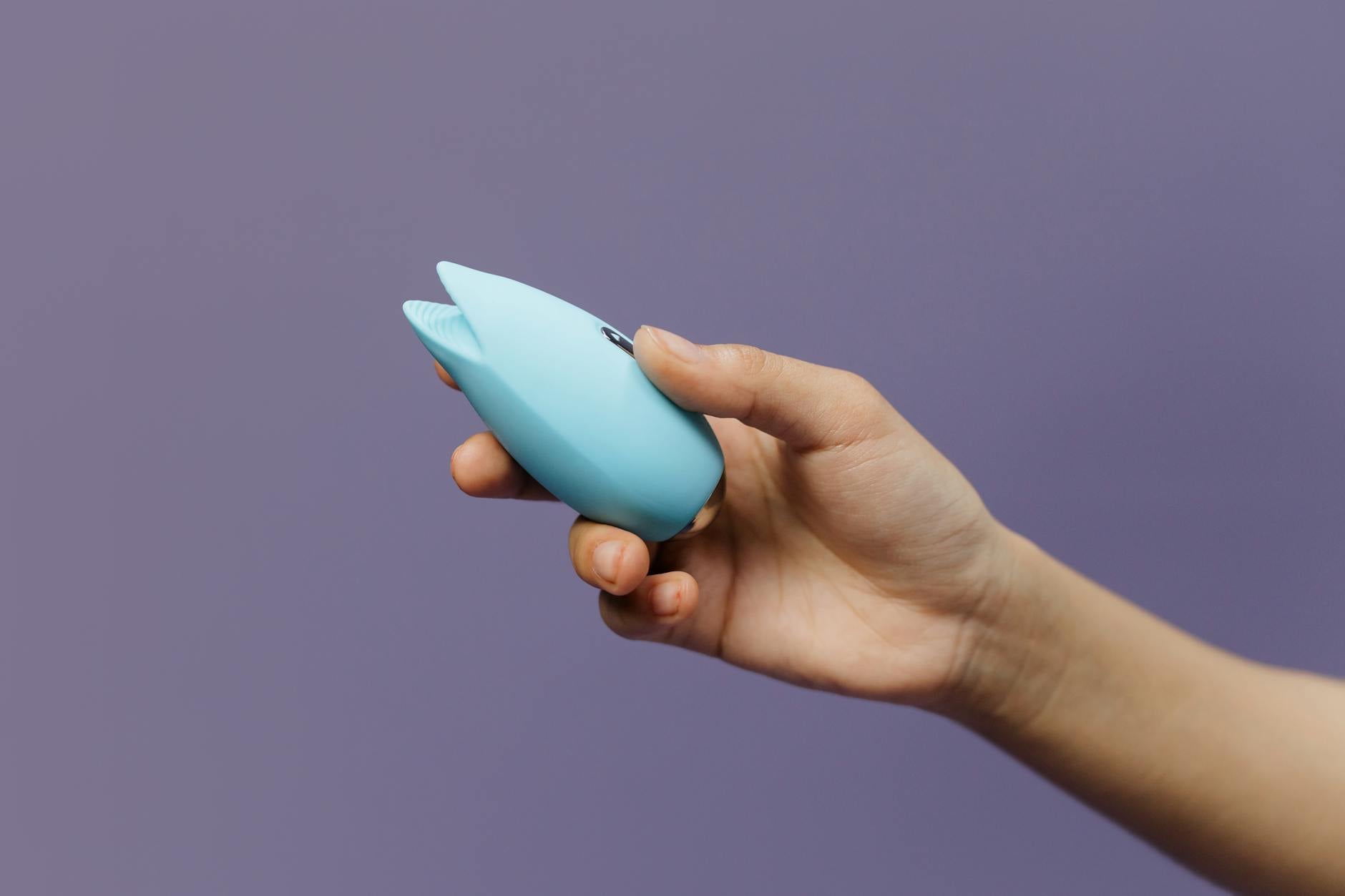
Let's be real about clitoral numbness
Your clitoris didn't vanish. It's just not answering. You touch it, nothing happens. You try harder, still nothing. That gap between effort and feeling is what people mean when they say they've gone numb, and it's one of the most frustrating things that can happen to your body.
Clitoral numbness is not in your head. It's not laziness or lack of desire. It's a physical disconnect where the nerve pathways that usually fire on contact just... don't. The good news: it's one of the most treatable forms of sensation loss, and lemon vibrators are weirdly good at the job.
What causes clitoral numbness in the first place
There are about five major culprits, and knowing which one you're dealing with changes how you approach rebuilding sensation.
Overstimulation and desensitization. If you've been using the same intensity, same pattern, same pressure for months or years, your nerve endings start to tune it out. This is called habituation. Your body stops perceiving what's become routine. It's not that the sensation is broken. It's that it's become invisible.
Nerve compression from pelvic floor tension. When your pelvic floor muscles stay tight all the time (from stress, holding tension, or sitting too much), they literally compress the nerve pathways that transmit clitoral sensation. It's like pressing on a garden hose. The water still runs, but the flow is pinched.
Hormonal fluctuations. Dropping estrogen, progesterone shifts during your cycle, thyroid changes, and even changes in androgens can numb sensation temporarily or long-term. Thinner tissue responds less robustly to touch. This matters.
Medication side effects. Antidepressants, blood pressure meds, antihistamines, and even some birth control methods can dull nerve sensitivity. The culprit is usually not the drug itself but how it affects blood flow or neural signaling in that region.
Circulation and blood flow issues. If blood flow to the vulva decreases (from stress, smoking, deconditioning, or certain health conditions), the tissue becomes less engorged and less sensitive. Sensation needs arousal first. Arousal needs blood.
Why lemon vibrators work differently for rebuilding sensation
Most vibrators buzz. Lemon vibrators use suction. That's not a gimmick. It's the mechanism that makes them particularly good at waking up numb tissue.
Here's the physiology: clitoral sensation comes from two main nerve pathways. The pudendal nerve handles direct touch and vibration. The pelvic nerve handles the deeper, broader sensations that happen inside. When you're numb to vibration, your pudendal nerve isn't firing properly. But the pelvic nerve can often still respond to suction because suction creates a pressure differential that engages tissue in a completely different way.
That means a lemon clitoral vibrator can stimulate nerve pathways that standard vibration might miss entirely. You're not just buzzing at the problem. You're creating movement and pressure that pull on the tissue, which activates proprioceptors (your body's pressure sensors) as well as tactile nerves. It's a richer signal reaching more of your nervous system at once.
For people who've been numb for months or years, this multi-sensory approach often registers as "oh, I can feel that again" in ways that pure vibration doesn't.
The three-stage approach to rebuilding with a lem vibrator
Stage one: low intensity, external mapping (week one to two). Start with the lemon vibrator on pattern one or two, lowest intensity. Don't go for the clitoris immediately. Instead, map sensation by moving it slowly across your inner labia, perineum, and the whole vulva. You're teaching your nervous system to notice touch again.
Budget 15 to 20 minutes per session. The goal is not orgasm. The goal is novelty. When your body has been numb, the suction from a lemon vibrator might feel strange the first few times. That strangeness is actually a good sign. It means your nerves are waking up to something new.
Stage two: clitoral introduction with variation (week two to three). Now bring the lemon clitoral vibrator to the clitoris itself. Start at the side or hood, not the glans directly. Move it slowly across the area. Change patterns frequently. Switch intensities. Don't stay in one place for more than 30 to 40 seconds.
This variation matters because habituation kills pleasure. Your body gets used to sameness very fast. A lemon vibrator's range of suction patterns helps prevent that. You're essentially re-sensitizing your clitoris by keeping it surprised.
Stage three: sustained focus with patience (week three onwards). Once you're feeling more, you can stay longer in one area. But still vary patterns and intensity. The goal is eventually building toward arousal and orgasm, but on a timeline your body sets, not a timeline you impose.
Why numbness often feels worse than it is
There's usually a psychological layer on top of the physical one. After months of not feeling anything, you start to believe you might never feel again. That belief itself tenses up your pelvic floor, restricts blood flow, and makes the numbness worse.
So the mental work is as real as the physical work. When you're rebuilding sensation, expect the first few sessions to feel weird, underwhelming, or strange. That's not failure. That's your nervous system rebooting.
Many of my clients report that the shift happens around week two or three. Suddenly something registers. It might not be full pleasure yet. It might just be "oh, I can feel that." That's the moment your body starts believing restoration is possible.
The role of pelvic floor release in numbness recovery
If your numbness came from tension, no toy will fully fix it unless your pelvic floor releases. You need both.
Try this: before using your lemon vibrator, spend two minutes breathing deeply and consciously relaxing your pelvic floor. Imagine that area softening, releasing, opening. Then use the vibrator. The effect is often dramatically different.
If pelvic floor tension is a chronic issue, consider a few sessions with a pelvic floor physical therapist. They can teach you what "relaxed" actually feels like in that region. Once you know the sensation, you can recreate it at home.
Clitoral numbness is reversible. Most cases respond to varied stimulation, lower pressure, and giving your nervous system permission to wake up slowly.
When to add lubrication to the equation
When clitoral tissue is numb, it often doesn't engorge or lubricate as readily. Adding external lubrication isn't a sign of failure. It's a practical support for your nervous system to work with.
Use a water-based lube. It reduces friction, lets the lemon vibrator glide more smoothly, and means your tissue isn't fighting gravity or dryness while you're trying to rebuild sensation. Many people find that sensation returns faster when they're not also fighting physical discomfort.
The timeline for getting sensation back
Honestly, it varies. Some people feel dramatic shifts in two weeks. Others take two months. Factors that speed recovery: lower baseline stress, good sleep, regular use of the vibrator (three to four times a week, not daily), and releasing the expectation that numbness was permanent.
Factors that slow it: continuing the same stimulation pattern that caused the numbness in the first place, high chronic stress, poor circulation, and waiting too long between sessions.
When you're rebuilding sensation, consistency beats intensity. Three 20-minute sessions a week will get you there faster than one marathon session.
Common mistakes people make while rebuilding
Turning up the intensity immediately because nothing happens. Wrong move. High intensity on numb tissue just causes irritation. Start low. Stay low for longer than feels necessary. Your body will tell you when to turn it up.
Getting discouraged after a few sessions. You didn't lose sensation overnight. You won't get it back overnight either. Expect week two or three to show real shifts.
Using the same pattern every session. Variety is how you rewire sensation. If you have access to a lemon vibrator with multiple suction patterns, rotate through them. If you're using a standard vibrator, vary the intensity and speed instead.
Forcing arousal instead of allowing it. There's a difference. Forcing is goal-oriented and tense. Allowing is exploratory and curious. The second one actually works better for rebuilding.
When to reach out for professional support
If after six weeks of consistent use with your lemon vibrator you're still experiencing complete numbness, or if numbness is accompanied by pain, discuss it with a gynecologist or pelvic health specialist. Sometimes numbness signals a circulation issue, nerve damage from injury, or a medication side effect that needs medical management.
If your numbness is tied to emotional trauma or a major relationship rupture, a therapist who specializes in sexual health can help. You can use the best lemon clitoral vibrator on the market, but if your nervous system doesn't feel safe, it won't wake up.
Most clitoral numbness resolves well with patience, consistent use of tools like lemon vibrators, and self-compassion. You're not broken. You're desensitized. And desensitized can change.
FAQ
How long does it actually take for clitoral sensation to come back with a lemon vibrator?
Most people notice a shift within two to three weeks of consistent use. Full sensation restoration often takes four to eight weeks. This timeline depends on what caused the numbness and how long you've been numb. The longer the numbness has been present, the longer the rebuild usually takes. Consistency matters more than duration per session.
Is numbness permanent?
Rarely. Clitoral numbness is one of the most reversible forms of sensation loss because the neural pathways are intact. You're not dealing with nerve damage in most cases. You're dealing with disuse, desensitization, or temporary hormonal or circulatory changes. These respond well to varied stimulation and time.
Can I use a regular vibrator instead of a lemon clitoral vibrator if I'm numb?
You can, but a lemon vibrator's suction mechanism often works better for numbness because it activates different nerve pathways than pure vibration. If you're already using a standard vibrator without success, trying a lemon vibrator might unlock sensation that hasn't responded to buzzing alone. That said, varied stimulation with any toy is better than repetitive stimulation with no results.
Is pelvic floor tightness always why my clitoris feels numb?
No. Pelvic floor tension is one cause, but numbness also comes from overstimulation, hormonal changes, medication side effects, and poor circulation. You might have tension and one of these other factors simultaneously. Start with the mapping and building stages outlined above. If you're not seeing progress in three weeks, consider a pelvic floor physical therapist to rule out chronic tension.
What if my partner wants to help rebuild my sensation?
Partners can be incredible supports, but rebuilding often requires solo exploration first. Your body needs to relearn sensation without the pressure of someone else's expectations. Once you've rebuilt some baseline feeling with your lemon vibrator, incorporating a partner becomes easier. Read more about navigating this in our guide on how to use a lemon vibrator with a partner when your arousal speeds are different.
Should I stop using toys while I rebuild sensation?
No. The rebuild happens through varied use, not abstinence. But if you've been using the same vibrator at the same intensity for months, taking a break and then reintroducing it can help. So can trying a completely different style of toy, like a lemon vibrator if you've been using a wand, or vice versa.
What medications are most likely to cause clitoral numbness?
SSRI antidepressants, some birth control pills, blood pressure medications, and antihistamines are common culprits. If you suspect medication is the cause, talk to your prescriber. Sometimes switching timing, dose, or medication helps. Sometimes you manage the side effect separately. Never stop medication on your own. But do advocate for your sexual health in that conversation.
The bottom line
Clitoral numbness is fixable. It's frustrating, and it can feel like your body has abandoned you. But sensation can come back. A lemon vibrator, with its multi-sensory suction approach, is one of the most effective tools for waking up numb tissue. Pair it with patience, variety, and a commitment to consistency, and most people find themselves feeling again.
Your pleasure matters. Your body's capacity to feel matters. And you deserve both.
If you'd like personalized guidance on rebuilding intimacy during this process, reach out to our team. We're here to help.