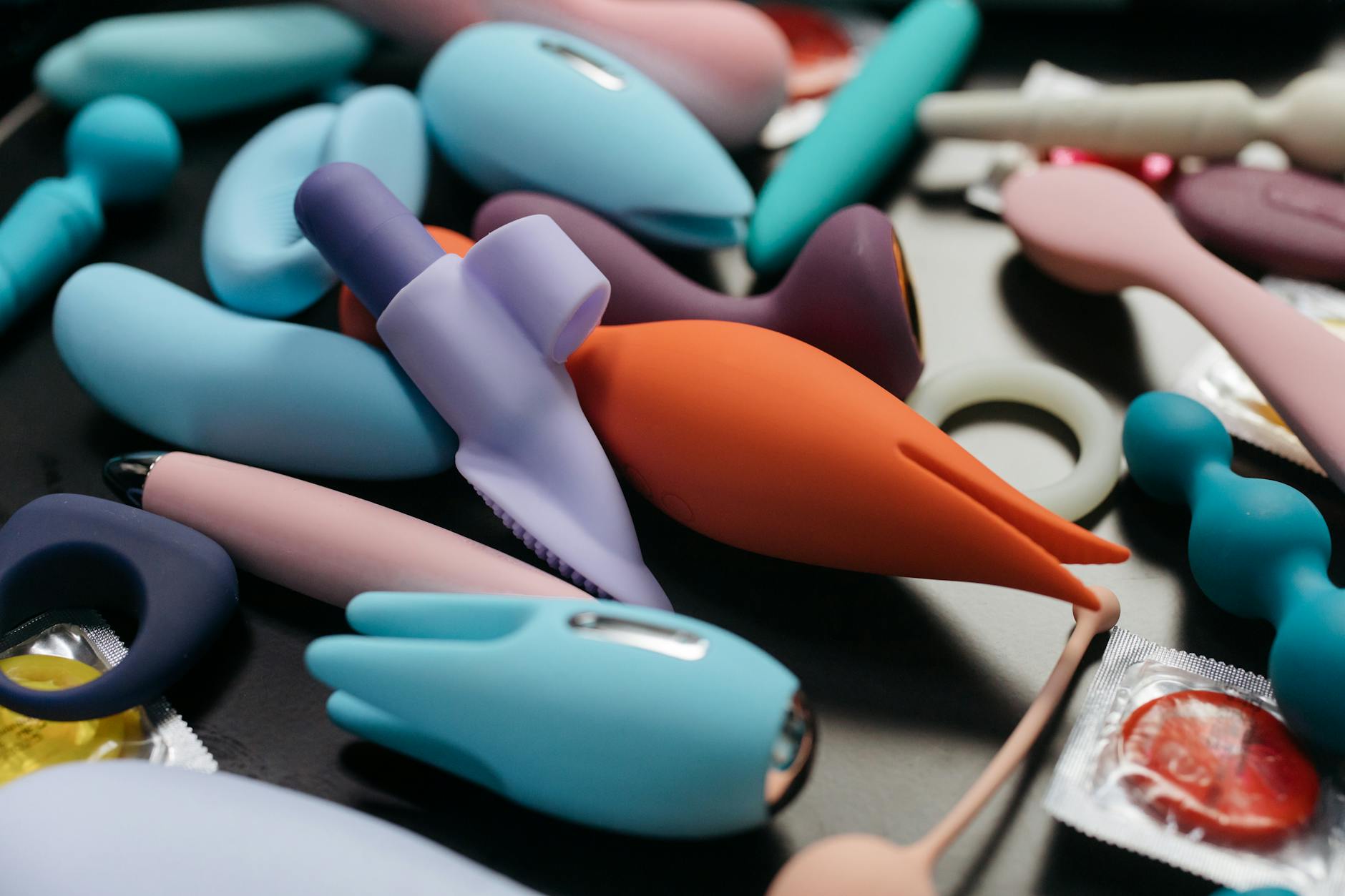
The honest difference between suction and vibration
Let's cut through the marketing noise. Both work. Neither is objectively "better" for everyone. But they work through completely different mechanisms in your body, and that matters if you're trying to figure out which lemon vibrator or clitoral stimulation method will actually feel good to you.
Here's what's actually happening when you use suction versus vibration.
How vibration stimulates the clitoris
Traditional vibrators create a chain reaction. The toy oscillates back and forth at a set frequency, usually between 1,000 and 10,000 vibrations per minute depending on the toy. This constant pulsing activates the nerve endings on the clitoral surface.
The clitoris has about 8,000 nerve endings packed into a tiny area. Vibration stimulates them all at once, across the full surface. Think of it like shaking a bell. The whole thing vibrates.
The problem with pure vibration: if your clitoral tissue is sensitive or if you're experiencing sensation changes (from medication, hormonal shifts, or just how your body is wired), that constant full-surface stimulation can feel overwhelming, numb-inducing, or even slightly painful. Your nerve endings get tired fast. It's why some people need to use vibrators at lower speeds or can only tolerate them for short bursts.
How suction actually works on nerve endings
A lemon vibrator uses air-pulse technology to create rhythmic suction rather than vibration. Instead of the toy moving back and forth, the sensation comes from gentle pulses of pressure that stimulate the deeper nerve structures around the clitoris.
Here's the key difference: suction pulls blood into the clitoral tissue, which itself creates sensation. The suction also stimulates the nerve bundles slightly deeper than the surface, rather than just the topmost endings. This two-part action (pressure plus blood flow response) can feel more intense than vibration, even at lower intensity settings.
Many people describe lemon clitoral vibrators as feeling more focused and less "buzzy" than traditional vibrators. That's because you're not overstimulating the surface. You're creating a targeted pressure point.
Why sensation threshold matters more than the method
If your clitoris is desensitized (which happens with certain medications, after trauma, with age-related hormonal shifts, or just because you're wired that way), you need something that can reach deeper nerve pathways. That's where a lemon vibrator often wins. Suction bypasses the numbness on the surface.
But here's the opposite scenario: if you have a low pain threshold or if your clitoris is hypersensitive, the deeper stimulation from suction can actually feel too intense. Some people with vulvodynia or chronic pelvic pain find traditional vibration gentler because you can use it at extremely low speeds.
Read more about this in our guide on how to use a lemon vibrator when you have a low pain threshold if sensitivity is a barrier for you.
What the research actually shows
A small clinical study in 2017 looked at air-pulse devices (like a lemon vibrator) versus traditional vibrators in people with clitoral sensation issues. The suction group reported stronger sensation at lower intensity levels and faster arousal times. But here's the catch: about 30 percent of participants had no preference, and a small group actually preferred traditional vibration.
What matters is individual variation. Your body isn't built to prefer one method universally. The goal is finding which one your specific nerve pathways respond to.
The practical differences you'll notice
If you switch from a traditional vibrator to a lemon suction toy, expect these shifts:
Sensation feels more localized. Instead of your entire clitoral area buzzing, you feel pressure concentrated where the toy is positioned. This means you have more control and can actually build sensation gradually rather than feeling jolted into overstimulation.
Arousal often happens faster. Because suction engages deeper nerve structures and increases blood flow, the body's natural arousal response kicks in quicker. People often report that they need less warm-up time with suction.
Intensity feels different at the same "power" level. A lemon vibrator on setting 3 will often feel as strong as a traditional vibrator on setting 6. That's not because it's objectively stronger. It's because suction and vibration recruit different neural pathways.
Overstimulation is less common. If you've had trouble with vibrators making you feel numb after a few minutes, suction might feel fresher longer because you're not fatiguing the same nerve endings over and over.
When suction wins hands down
If any of these apply, a lemon clitoral vibrator is worth trying:
You're experiencing sensation changes with age or hormonal shifts. When estrogen drops, clitoral tissue thins and becomes less responsive to surface stimulation. Suction reaches the deeper structures that are still plenty sensitive.
Your clitoris feels numb or distant during partnered sex or solo play. You've probably been relying on vibration that's stopped working. Suction engages different pathways and can feel brand new.
You need sensation but hate the buzzy feeling. Traditional vibrators can feel one-note. Suction creates rhythm and pressure together, which feels more textured.
Medication has affected your clitoral response. Antidepressants, antihistamines, and some blood pressure meds blunt surface sensation. Suction bypasses this partly because it's not just surface work.
When vibration might still be your answer
Don't assume suction is universally better. Stick with traditional vibration if:
You have vulvodynia or touch-sensitive clitoral pain. Gentler, lower-speed vibration can feel less aggressive than suction's pressure.
You're new to toys and want to start simple. Understanding your body with a straightforward vibration pattern first makes sense.
You prefer a broad, all-over sensation rather than a focused point. Some people like the whole-area stimulation vibration provides.
You've found a vibrator that works. Changing methods for the sake of it makes no sense.
The hybrid approach that works for most people
Here's what I recommend to most clients: start with one method, get comfortable with it, then experiment with the other. Your body learns through contrast. Using only vibration for six months, then trying suction, teaches you what you actually prefer rather than what you think you should prefer.
Many people end up using both depending on mood, energy, and what their body needs that day. On days when you need sensation fast, suction. On days when you want slow, gentle building, vibration. The fact that you have options is the whole point.
The lemon vibrator isn't a replacement for traditional vibrators. It's a different frequency for the same goal. Your pleasure matters enough to explore both.
People also ask
Is suction better for orgasm than vibration?
Not universally, but for many people, yes. Because suction engages deeper nerve pathways and increases blood flow faster, orgasms often arrive quicker and sometimes feel more intense. That said, the "best" method is whichever one your body responds to. Some people orgasm more reliably with traditional vibration because they're familiar with it and relaxed. Comfort matters more than method.
Can I use a lemon vibrator if I've never used toys before?
Absolutely. In fact, starting with a lemon clitoral vibrator can be easier than starting with traditional vibration because the sensation is more gentle and localized. You can control exactly where the pressure lands. Read more in our guide on how to choose a lemon vibrator when you've never used toys alone.
Why does suction feel different from vibration if it's still stimulating nerve endings?
Because suction and vibration stimulate different nerve populations at different depths. Vibration hits the surface nerve endings, which can create a buzzing sensation and tire quickly. Suction pulls blood into tissue and stimulates deeper nerve bundles, which feels more like pressure and tends to build sensation rather than create immediate buzz.
Will a lemon suction toy work if medication has numbed my clitoris?
Often, yes. Because suction reaches deeper structures than surface vibration, it can work around some medication-related numbness. That said, not every medication effect is fixable with a toy swap. If sensation loss is significant, it's worth talking to your doctor about whether the medication is negotiable or whether there are other solutions. Read more about how to use lemon vibrators when medication changes your sensitivity.
Can suction and vibration be used together?
Yes, though it depends on the toy. Some lemon vibrators pulse internally while creating suction externally, so you get both sensations. Traditional vibrators aren't designed for suction, so you'd need to use them separately. Layering sensations (suction first to build arousal, then vibration for finishing, or vice versa) can be really effective.
What if I try suction and hate it?
It's not the method for you. Simple as that. Trying a lemon vibrator costs way less than months of frustration. Return it, go back to what works, and don't feel like you're missing out. Pleasure works best when it feels natural, not forced. Your body's preference is valid.
The real takeaway
Neither suction nor vibration is objectively better. They're different tools for different nervous systems. If traditional vibrators have stopped working for you, or if you're curious whether deeper stimulation might feel better, a lemon clitoral vibrator is worth one honest try. If it doesn't land, you'll know in twenty minutes. If it does, you've just expanded your whole pleasure vocabulary.
Your clitoris deserves the right frequency. That frequency might be suction. It might be vibration. It might be both, depending on the day.
Ready to explore what works for your body? Reach out if you have questions about which lemon vibrator might be the right fit, or any other concerns about pleasure and sensation.