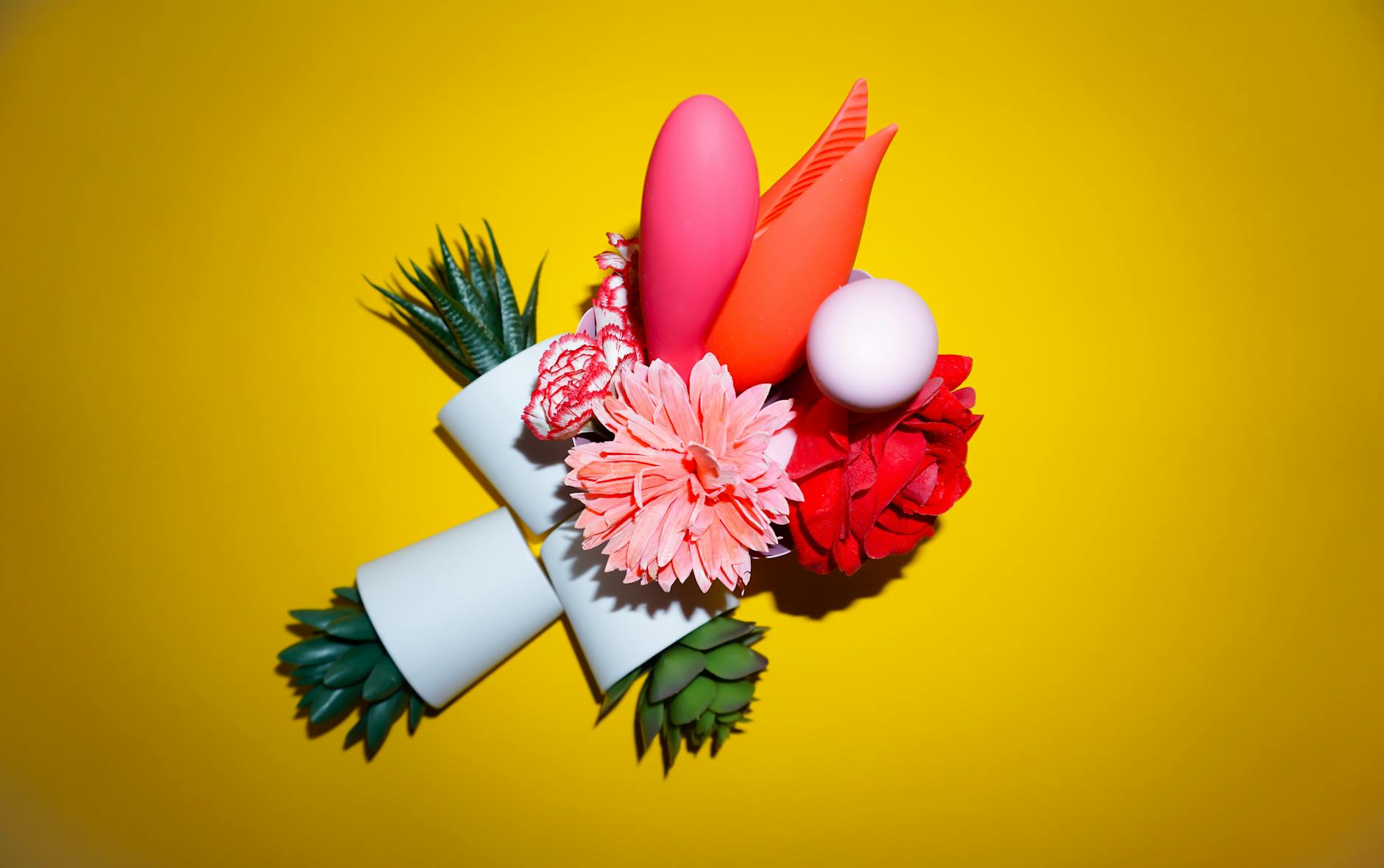
The thing nobody says about buying your first vibrator
Honestly, the hardest part isn't the purchase. It's giving yourself permission to have pleasure on your own terms, without explanation, without performance, without anybody else's rhythm.
If you're thinking about a lemon vibrator or any clitoral vibrator for the first time, you're probably in one of two places. Either you've been partnered and want to explore solo, or you're building a foundation for what gets you off before you bring that knowledge into a relationship. Both are exactly right reasons.
Why first-timers lean toward lemon vibrators (and why it matters)
Here's the data twist: most traditional vibrators rely on rapid mechanical buzzing that can feel intense or even numb out sensation if you're not already familiar with your own body. A lemon vibrator works differently. It uses gentle suction and pulsing that mimics the sensation of oral sex, which means it tends to feel less jarring, more intuitive, and easier to control when you're learning what feels good.
That's not fluff. When I work with clients exploring toys for the first time, the ones who start with air-suction or pulsing devices (like the Lem) report significantly higher satisfaction and less "Is this supposed to feel like this?" second-guessing. The sensation is more natural to your body, which means you spend less mental energy wondering if you're doing it right and more time actually enjoying it.
A lemon clitoral vibrator also gives you precise intensity control. You're not locked into one setting. You can start at the gentlest pulse and build up as you warm up, which is huge when you're solo for the first time. You set the pace entirely.
What to actually look for when choosing your first lem vibrator
Forget the marketing copy. These are the things that matter.
Intensity levels that start low and go medium. You don't need the "industrial strength" option if you're brand new. In fact, starting too intense can actually teach your body to chase sensation instead of feeling what's already there. Look for a vibrator with at least three settings and a starting point that feels more like a whisper than a shout.
A shape that fits your body. This sounds obvious but gets skipped all the time. A lemon vibrator or similar clitoral toy should feel intuitive in your hand. If you're thinking about the Lem, the curved tip is designed to fit naturally over the clitoris without requiring weird angles or pressure. Try to find product photos that show hand placement, or read reviews specifically mentioning comfort during longer sessions.
Material that feels safe. Medical-grade silicone is the standard here. It's non-porous, easy to clean, and won't degrade over time. Avoid anything plastic or rubber that feels cheap. Your body deserves the same care you'd give to any other piece of equipment.
Quiet operation. Not all vibrators are created equal in the sound department. If you're in a shared living space or value privacy during solo time, look for a toy specifically described as quiet or low-noise. A lemon sucker-style vibrator is usually quieter than older bullet vibrators because the mechanism is less violent.
Battery life that doesn't disappoint. Rechargeable is almost always better than batteries. With USB charging, you're not replacing batteries constantly, and you know exactly when your toy is ready to go.
The emotional setup matters as much as the toy itself
Here's where people get it wrong: they buy the toy and expect it to just work, like pleasure is a mechanical problem to be solved.
It's not.
Before you use a lemon vibrator for the first time solo, think about the space you're creating. Do you have uninterrupted time? Can you lock the door? Are you in a headspace where you're not worrying about being interrupted or overheard? Solo pleasure requires permission from yourself first, and then it requires physical space where that permission feels real.
Many people find it helpful to start without the vibrator entirely. Spend a few sessions just touching yourself, learning what your body responds to, where the sensation is strongest. This isn't wasting time. This is literacy. You're teaching yourself what feels good so that when you introduce the toy, you're not starting from scratch.
When you do use your new lemon clitoral vibrator for the first time, start with the lowest setting. Let yourself feel what happens. There's no timeline. There's no "success" metric except pleasure. If nothing happens the first few times, that's normal. Your body is learning a new sensation.
Common first-timer worries (and what's actually true)
"Will I get numb if I use a vibrator regularly?"
Not if you're rotating sensation. Using a toy solo and also using your hand, using a lemon vibrator some sessions and going without others. Your body is adaptive and responsive. Numbness happens when you're using only one type of intense stimulation all the time. Variety is your friend.
"Is it weird to want solo pleasure when I'm in a relationship?"
Completely normal. Solo pleasure and partnered pleasure use different parts of your brain. Solo, you're entirely selfish, which is the point. You're not managing someone else's experience. That's valuable knowledge about your own body, and it makes partnered sex better, not worse. There's a reason so many couples who have strong solo practices also have better communication around pleasure together.
"What if I can't orgasm the first time?"
Expect it. Seriously. Most people don't have an orgasm their first solo session with a vibrator. You're learning a new tool, a new sensation, a new way of being with your own body. Orgasm isn't the metric. Pleasure and comfort are. The orgasm usually shows up once you stop waiting for it.
"Should I be embarrassed about this?"
No. Your pleasure matters. A lemon vibrator is a tool, like a massage roller for your feet or a meditation app for your mind. The only difference is that pleasure gets weird cultural baggage that recovery and wellness don't. Ignore that.
Moving from first-timer to knowing what you want
After a few months of solo exploration with a lemon clitoral vibrator, something shifts. You stop wondering if you're doing it right and start knowing what you actually like. You learn your own arousal arc. You know which intensity settings work on different days. You know whether you prefer sustained pressure or pulsing. That knowledge is yours to keep.
When you bring that into a partnership later, or if you already have one, you're not starting from guessing. You're coming with data. You know your body. That changes everything about communication, about pleasure, about asking for what you need.
If you're exploring solo play as a single person, you're building a foundation of self-knowledge that sets the tone for every future relationship. If you're already partnered and doing this, you're giving yourself access to a version of pleasure that's entirely yours. Both are radical acts of self-respect.
Choosing your first lemon vibrator or clitoral vibrator isn't complicated once you strip away the noise. Start with low intensity, prioritize comfort and material quality, give yourself uninterrupted space, and remember that there's no timeline. Your body will tell you what feels good. You just have to listen.
People also ask
What's the difference between a lemon vibrator and a traditional vibrator?
A traditional vibrator usually relies on rapid buzzing, which can feel overwhelming if you're new to toys or too intense for sensitive tissue. A lemon vibrator uses pulsing or suction technology that feels gentler and more like natural stimulation. For first-timers, this tends to be less jarring and easier to control. The sensation is closer to what most bodies instinctively respond to, which means you spend less time wondering if you're doing it right and more time actually enjoying it.
Is a lemon sucker vibrator better than a bullet vibrator for beginners?
Not better in a universal sense, but more intuitive for most people starting solo. A lemon sucker-style vibrator creates gentle suction and pulsing that many find more natural than the intense buzzing of a bullet. That said, what works for you depends on your body and what feels good to you. Some people adore bullets. But statistically, beginners report higher satisfaction starting with air-suction or pulsing devices, so if you're unsure, it's a solid first choice.
Can you use a lemon clitoral vibrator if you have sensitive skin?
Yes, absolutely. Medical-grade silicone is hypoallergenic and safe for sensitive skin. The key is making sure the toy is actually made from quality silicone, not cheap rubber. Also, start at the lowest intensity setting. If you have very sensitive tissue or pain conditions, <a href="/blog/how-to-use-lemon-vibrator-when-you-have-a-low-pain-threshold">learn how to use a vibrator when you have a low pain threshold</a> for more specific strategies.
How do I know if I'm using the lemon vibrator correctly?
There's no one correct way. If it feels good to you, you're using it correctly. You might prefer direct contact on the clitoris, or indirect stimulation around it, or side-to-side motion, or holding it still and pulsing. Your body will guide you. Solo play is inherently experimental because there's no one else's expectation to meet. Give yourself 3 to 5 sessions before deciding if a particular toy or technique works for you.
Should I use lubricant with a lemon vibrator?
It depends on your body. Many people find that a water-based lubricant makes the sensation feel smoother and reduces any friction discomfort. Some find they lubricate naturally and don't need it. It's your call. If you do use lube, always use water-based, never silicone-based with a silicone toy, as it can degrade the material.
What if I don't have an orgasm my first time using a vibrator?
That's completely normal. Most people don't orgasm the first time. You're learning a new sensation, a new tool, a new relationship with your own pleasure. The goal initially is comfort and exploration, not orgasm. Once you stop expecting an orgasm and start just exploring what feels good, it usually arrives on its own. If it takes time, that's fine. Your body is learning, and that's the whole point.
How often should I use a vibrator when I'm starting out?
There's no magic number. Some people explore 2 to 3 times a week, others less frequently. The important thing is consistency enough that your body can learn and adapt, but not so frequently that you're chasing a high. A natural rhythm tends to be weekly or a few times a month when you're starting out. Pay attention to how your body feels and adjust from there.
Can using a lemon vibrator affect my ability to orgasm with a partner later?
No. If anything, knowing your own body and what you respond to makes partnered pleasure better, not worse. You have information to share. You know your arousal arc. That's valuable. The only way a toy could negatively affect partnered pleasure is if you're using it as a replacement for communication and connection, but that's about the relationship, not the toy.
Getting started is simpler than you think
Your first lemon clitoral vibrator doesn't need to be perfect. It needs to feel safe, intuitive, and yours. Start at low intensity. Give yourself uninterrupted time and space. Listen to your body. There's no rush, no performance metric, no right way. Just you, learning what feels good.
If you have questions about safety, setup, or anything else, <a href="/contact">reach out anytime</a>. That's what we're here for.