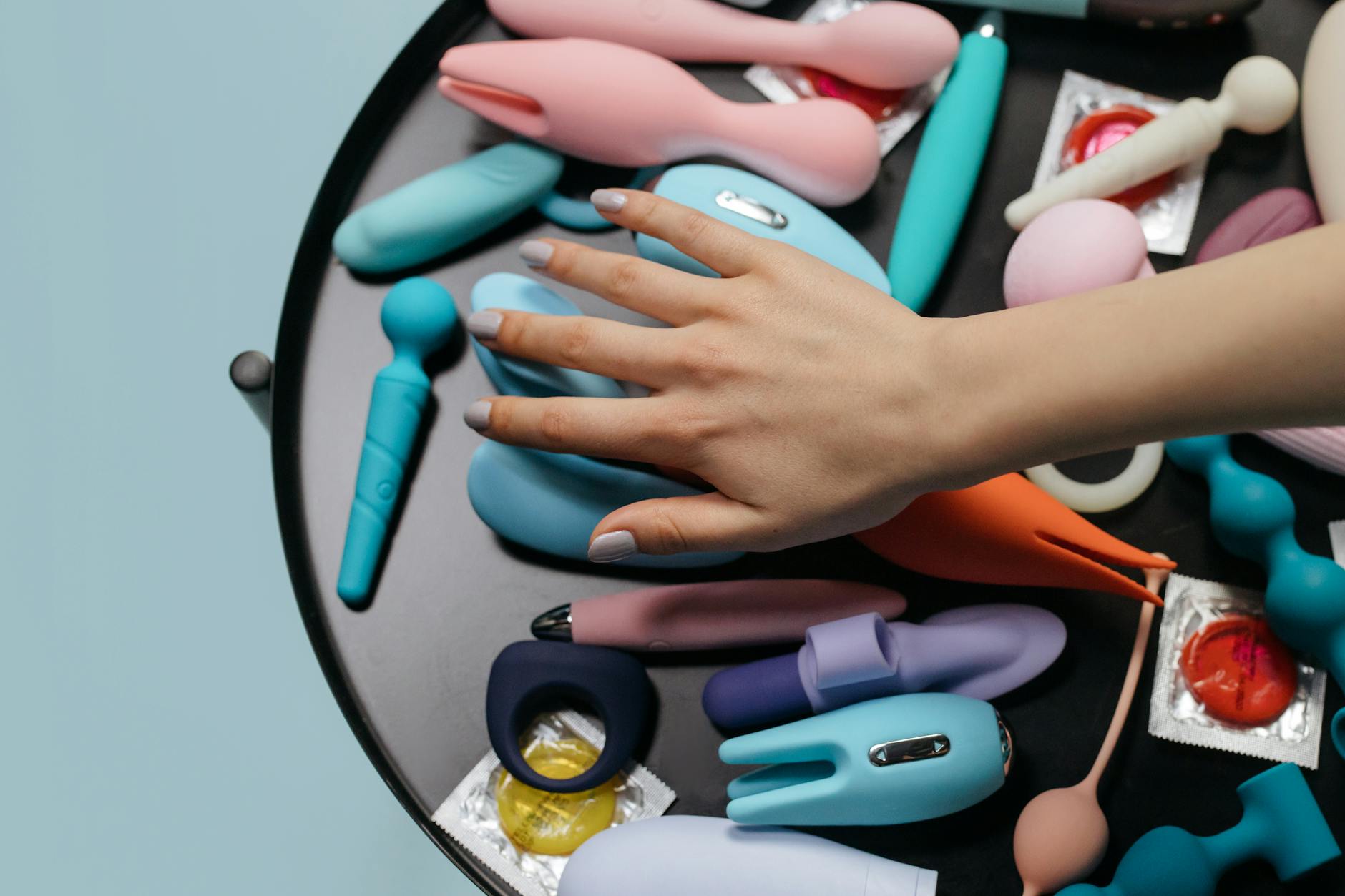
Here's the thing about mismatched libidos
One of you wants sex twice a week. The other is happy with twice a month. This isn't a moral failing, a sign of lost attraction, or something you're doing wrong. It's just biology and life circumstance colliding in a way that makes both of you feel a little bit stuck.
The higher-desire partner feels rejected. The lower-desire partner feels pressured. And somewhere in between, the sex you both actually want stops happening because it's wrapped up in hurt.
That's where something like a lemon clitoral vibrator enters the picture. Not as a replacement for partnered sex, but as a tool that lets you both meet your actual needs without resentment building underneath.
What mismatched desire actually costs
When desire doesn't line up, couples usually try one of three things. First, they push harder. The higher-desire partner initiates more; the lower-desire partner feels cornered and pulls back further. Second, they shut down the conversation. Sex becomes a thing you don't talk about, which somehow makes it worse. Third, they settle into a rhythm that works for neither of them and call it a compromise.
What actually happens underneath: the higher-desire partner starts feeling unwanted. They begin to doubt whether their partner is attracted to them. They might start seeking validation elsewhere, online or in fantasy. The lower-desire partner, meanwhile, feels like sex is something they're failing at. They start avoiding touch altogether because they know where it leads and they're not ready.
Neither of these spirals ends well. Both are preventable.
Why a lemon vibrator changes the equation
A lemon clitoral vibrator, like the Hello Nancy Lem, works differently than you might expect in this context. It's not about one person using it alone while the other waits. It's about creating a third option: partnered time that doesn't demand the same level of arousal from both people at the same time.
Here's the setup. Your partner wants sex. You're genuinely not in the mood yet, or you're not sure you'll get there tonight. Instead of the usual script (pressure, negotiation, one of you faking it), you try this: spend 20 minutes together on the couch or bed. Your partner uses the Lem. You participate however feels right. You might touch them while they use it. You might kiss them. You might just be present and engaged with them, rather than performing.
What shifts: neither of you is waiting for the other to be ready. Both of you are getting something real. The higher-desire partner gets the physical release and the intimacy they're craving. The lower-desire partner gets time to warm up without pressure, and they're not faking their way through something that doesn't feel good.
This sounds small. It's actually enormous.
The practical setup that works
Talk about this when you're not in bed. That's the first rule. When clothes are off and bodies are close, your nervous system isn't great at rational conversation. So sit down over coffee or a walk and say something like: "I want us to find a way to be close that works for both of us. I've been thinking about using a lemon vibrator together some nights, even if we don't have sex in the traditional way. Would you be open to that?"
Then decide together on frequency. Maybe it's once a week. Maybe it's twice a week. You're not trying to match your libido difference. You're creating a baseline of intimacy that sits between your two needs.
When you're actually together, start with touch. Kiss. Massage. Warm skin up. Let arousal build naturally. If the lower-desire partner is genuinely getting turned on, great. If they're still in observer mode, that's okay too. The Lem does the work without requiring a particular level of readiness from the other person.
One solid practical detail: water-based lubricant makes everything easier, especially if the lower-desire partner isn't fully aroused. Not because anything is wrong, but because lemon clitoral vibrators stimulate through suction, and lube makes the sensation richer and more comfortable.
What this actually fixes
Over time, three things change. First, the higher-desire partner stops feeling rejected because they're getting regular physical intimacy and they know it's real, not negotiated. Second, the lower-desire partner stops feeling pressured because there's no implicit expectation that they need to get fully aroused. They can show up as they are. Third, you both remember that you like each other.
Sex, when it happens after this kind of foundation, feels better than it did when it was wrapped in obligation. Because you're both choosing it from a place of actual desire, not from guilt or pressure or trying to fix the distance between you.
This also creates space for you both to be honest. If the lower-desire partner realizes they have a medical reason for low desire, they have the safety to say so. If the higher-desire partner is actually dealing with anxiety that manifests as constant initiation, that can surface too. Neither of these conversations is easy, but they become possible when you're not locked in the rejection cycle.
When libido differences point to something deeper
That said, sometimes mismatched desire is just desire. Sometimes it's also pointing to something else.
Stress is the biggest culprit. If your partner is under a lot of pressure at work or dealing with family stuff, their libido tanks. It's not about you. But it feels personal because you're the one experiencing the rejection. A lemon clitoral vibrator doesn't fix the stress, but it does create intimacy while the stress is happening. You're not waiting for everything to calm down to be close again.
Medical issues matter too. If one partner is on antidepressants or blood pressure medication, those often kill libido. If someone's dealing with pelvic pain or hormone changes, desire and capacity both shift. These aren't things a toy fixes, but they do change how you have sex. A lemon vibrator can work beautifully with medication side effects because it doesn't require the same level of arousal or lubrication that penetration does.
Relationship resentment is the big one. If you're angry at your partner about something other than sex, mismatched libido gets weaponized. Everything feels like rejection. A vibrator won't fix that. Couples therapy will. But in the space before or alongside therapy, something that lets you stay connected without the same power dynamic actually matters.
The conversation you're probably avoiding
Look, I know the real hard part isn't technique. It's saying out loud that you and your partner want sex at different frequencies and that's actually okay. It's not a referendum on attraction or a sign that someone failed.
When I work with couples on this, the person with lower desire usually says something like: "I feel like I'm broken. Everyone wants sex all the time and I don't." And the higher-desire partner usually says: "I feel like they're rejecting me." Both are true. Both are things that can coexist.
Here's what I usually tell them: you're not broken, and you're not being rejected. You're two people with different nervous systems, different stress levels, different bodies, different life demands. A lemon vibrator won't erase that difference. But it will let you stop treating it like a crisis.
Questions people actually ask
Can we use a lemon vibrator if we've never talked about toys before?
Yes, but lead with the conversation first. "I want us to be closer more often, and I've been reading about ways other couples handle this." Bring it to them as a solution to a problem you're both feeling, not as a surprise. The Lem is less intimidating than some toys because it's designed to be beautiful and it's honestly so good that it sells itself once someone understands what suction stimulation does.
What if my partner feels threatened by a vibrator?
This is common and worth taking seriously. Some people worry that a toy means they're not enough, or that you'd rather use it than be with them. The antidote is being really clear: you're not replacing them, you're solving a timing problem. You want to use this together, with them. The Lem feels best when someone you love is there touching you while you're using it.
Does using a lemon vibrator mean we're having less sex?
Not usually. It means you're having more intimate time, even if some of it isn't penetrative sex. When the higher-desire partner stops feeling rejected and the lower-desire partner stops feeling pressured, actual partnered sex often picks back up naturally because the resentment is gone.
How often should we use a lemon vibrator together?
Whatever works for your schedules and desire. For couples with mismatched libidos, I often see once weekly becoming a baseline of connection that bridges the gap. But you're setting this together, not following a script.
What if one of us still isn't in the mood even with a vibrator?
Then you're not forcing it, and that's good. A lemon clitoral vibrator makes it easier to show up, but it doesn't override consent. If the lower-desire partner isn't feeling it, you pause. But the fact that there's a way to be intimate that doesn't require full arousal from both people means fewer nights where intimacy doesn't happen at all.
Can mismatched libidos ever fully align?
Sometimes, depending on what caused the mismatch. If it's stress or medication or life stage, things often normalize. If it's just how your bodies are wired, probably not. And honestly, that's fine. You're aiming for a rhythm that works, not sameness.
The thing that actually matters
Mismatched libidos are one of the most common reasons couples report feeling distant. Not because the sex is bad, but because the gap between wanting it and not wanting it becomes a place where resentment lives. A lemon vibrator can't fix a relationship that's broken for other reasons. But if you actually like each other and you're just stuck in a frequency mismatch, something that lets you both feel wanted and close without pressure can change everything.
The real win isn't the vibrator. It's deciding together that you're going to solve this as a team instead of as adversaries. The vibrator just makes the solving part easier.