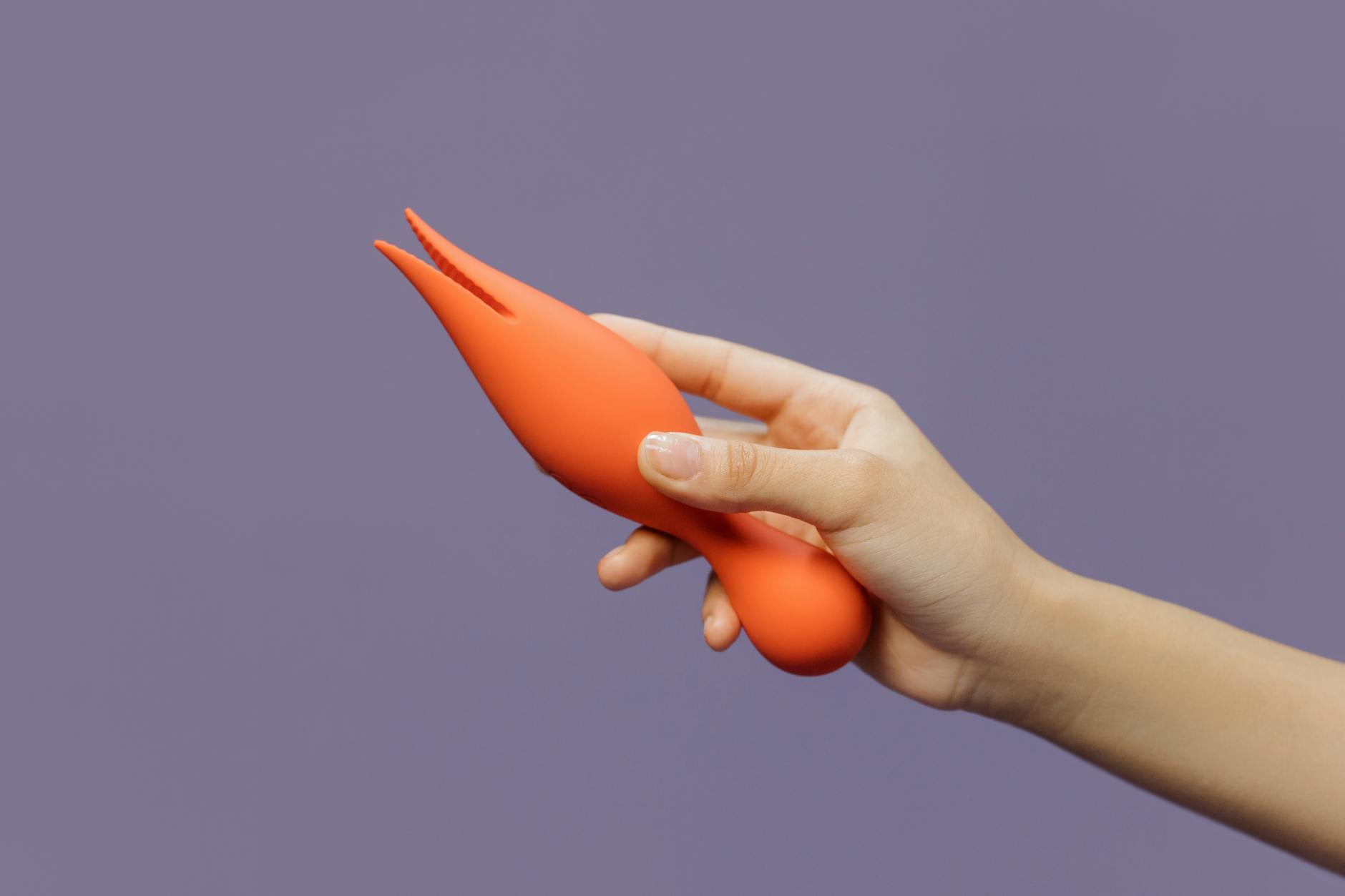
When life throws a wrench into intimacy
Let's be real. When your life gets disrupted, sex is often the first casualty. A new job that eats your evenings. A cross-country move. A health diagnosis. A child starting school. A partner's career pivot. These aren't small things, and your body knows it. Stress rewires arousal. Anxiety dampens desire. Disconnection becomes the default.
But here's what I've learned from decades of working with couples through life transitions. The couples who rebuild physical closeness fastest aren't the ones who wait for things to settle down. They're the ones who intentionally reconnect, often with tools that make reconnection feel easier, fresher, and less performative than it did before.
Lemon clitoral vibrators are one of those tools. Not because they're magic. But because they remove friction, lower the stakes, and make space for pleasure when everything else feels uncertain.
Why major life changes kill intimacy first
Here's the neurobiology: when you're in a state of transition or stress, your nervous system shifts into high alert. The parasympathetic response you need for arousal.gets crowded out by cortisol and adrenaline. Your brain is literally in threat mode, which is the opposite of the openness sex requires.
Add to that the practical reality. You're tired. Distracted. Managing logistics. Your partner is too. The easiest conversation to skip is the one about sex. It feels less urgent than everything else breaking or changing.
But skipping it creates a secondary problem. Physical disconnection becomes emotional disconnection. You stop touching. You stop initiating. You wake up three months into the transition realizing you haven't had sex in weeks, and restarting feels awkward, loaded, vulnerable.
That's the moment lemon sexual toys become genuinely useful.
How a clitoral vibrator changes the restart conversation
Introducing a lemon vibrator during a life transition serves three psychological functions.
First, it reframes the conversation. Instead of "we haven't had sex in forever and we need to fix that," you're saying "let's explore something new together." The shift from obligation to exploration is enormous.
Second, it lowers performance pressure. A lem vibrator does a specific job.brilliantly. You're not relying on your partner to remember how to arouse you after months of neglect, or on yourself to access desire that's been buried under moving boxes. The tool does some of the work, which frees both of you to focus on connection instead of execution.
Third, it creates novelty. Your nervous system craves novelty to break out of stress patterns. A new sensation, a new tool, a willingness to try something together.sends a signal to your body that things are shifting. That you're moving forward, not stuck.
The specific advantage of suction over vibration during transition
When people are stressed, their bodies often retreat. You clench. Your pelvic floor tightens. Your skin becomes less sensitive to light touch. Traditional vibrators can feel overwhelming or even painful when you're in this state.
Lemon clitoral vibrators use suction instead of vibration. The sensation is gentler, more diffuse, less likely to feel sharp or invasive when your body is defended. It's easier to ease into suction. Your nervous system doesn't perceive it as urgent stimulation that requires an immediate response.
That means you can engage without your stress response hijacking the moment. You're not white-knuckling through it hoping to come. You're actually present.
The two-step restart protocol
If you and your partner have drifted during a major transition, here's how I typically recommend reintroducing physical intimacy.
Step one: explore alone first. Let yourself get used to a lemon vibrator without the pressure of a partner watching or waiting. This resets your own nervous system. You remember what pleasure feels like. You're not performing. You're remembering. This usually takes a few sessions, spread over a week or two.
Step two: introduce it together, but not during sex initially. Use it during foreplay, conversation, or even while just being physically close. The goal isn't orgasm. It's rebuilding the habit of touching, being touched, and allowing yourself to want again. After a few reconnection sessions, it often naturally evolves into sex. But that's not the point.
This two-step approach works because it rebuilds trust with your own pleasure first, then with your partner. By the time sex re-enters the picture, you're both anchored in yes, not trying to fight your way back from no.
When specific life transitions require specific approaches
A few of the life changes I see most often, and how lemon clitoral vibrators fit in.
Career transitions often come with erratic schedules and decision fatigue. Quick reconnection tools matter. A lem vibrator is fast, requires no negotiation, and feels like self-care rather than another obligation.
Relocation stress triggers both grief and logistical overload. Reestablishing physical intimacy helps signal "we're building a new normal together." A lemon vibrator can be part of that ritual.
Health challenges or recovery periods often come with reduced mobility or sensation. Suction-based clitoral vibrators are gentler on compromised tissue and require less physical participation than partnered sex. They're a bridge back, not a reset button.
Partnership renegotiations, like one partner reducing work or coming out, require rebuilding trust and desire. Exploring new tools together sends the message "we're evolving, and that's okay." Nancy Lem Shop's lemon adult toys make that exploration feel intentional, not desperate.
The conversation that actually matters
Here's what I want to be clear about. A lemon vibrator isn't a fix for a broken relationship. If the underlying issue is that you've grown apart or your partner isn't invested in reconnecting, no toy will solve that.
But if the underlying issue is that life got loud and complicated and you both want to find your way back to each other, then a lemon sucker becomes a really useful shortcut. It says, "I want to rebuild this." It creates space and novelty and gentleness when those things are hard to find.
The conversation before you introduce it matters. "I miss being close to you. I know everything's been chaos. I found something that might make it easier for us to reconnect. Would you be open to exploring it together?" That's the framing. Not "I need more sex," but "I want us back."
Most partners will say yes to that. Because underneath all the chaos, they want you back too.
FAQ: Rebuilding after major transitions
How long should we wait after a major life change before trying to rebuild intimacy?
There's no timeline. Some couples need three months, others need three weeks. The question isn't time elapsed, but readiness. You're ready when both of you acknowledge the drift and express willingness to rebuild. That conversation is often the hardest part. The actual reconnection is faster than you'd think, especially with tools that lower the barrier to entry. Many couples find that using a lemon vibrator together jumpstarts the process within a week or two of deciding to reconnect.
Will introducing a toy make my partner think I'm not attracted to them anymore?
Not if you frame it correctly. The message shouldn't be "you're not enough." It should be "I want us to explore something new together." Most partners understand intellectually that stress kills arousal. Showing them you're willing to get creative about rebuilding pleasure together usually reads as investment, not rejection. If your partner interprets it as criticism, that's a conversation to have before the toy enters the picture.
Can we use a lemon clitoral vibrator if we haven't had sex in a very long time?
Yes. Actually, this is one of the situations where a lemon vibrator is most useful. Long periods without sex can create anxiety around restarting. A vibrator removes some of the pressure because neither of you has to figure out arousal from scratch. You're not relying on memory or skill. You're using a tool designed to help. That's often enough to break the ice.
What if my partner thinks toys are "unnatural" or "cheating"?
This usually comes from a place of insecurity or unfamiliarity, not actual conviction. People often soften on this once they understand that toys aren't about replacing them.they're about enhancing the connection you already have. Framing it as something you want to do together, not separately, often helps. Sometimes watching you enjoy it changes their mind faster than any argument.
Is there a best time to introduce a lemon vibrator during the reconnection process?
After you've had one conversation about wanting to rebuild, but before expectations get too high. Too early and it feels forced. Too late and you've already settled into a pattern of avoidance. The sweet spot is usually two to three weeks into consciously reconnecting. You've reestablished some non-sexual touch and you're both warming up to the idea of pleasure again. That's when introducing something new feels like evolution, not desperation.
How do I know if a lemon sexual toy is right for us versus something else?
Lemon clitoral vibrators are great if: you want something focused on external stimulation, you appreciate gentler suction over intense vibration, or you want something that feels less clinical or intimidating than traditional vibrators. If your partner is sensitive to noise, suction-based toys are quieter. If you both like the aesthetic of something playful and modern, a lem vibrator checks that box. But there's no "right" choice. What matters is choosing something together and using it as an excuse to talk about pleasure again.
The actual work is the reconnection
A lemon vibrator is a tool. The real work is deciding that your intimacy matters enough to prioritize during chaos. It's showing up despite the stress. It's being vulnerable enough to say "I miss you" and "I want us back."
The toy just makes that easier. And sometimes easier is all you need to rebuild something that feels broken.
When life settles down again.and it will.you'll have re-established the habit of pleasure. You'll know you can reach for each other even when everything's upside down. That's worth the conversation. That's worth exploring. That's what I see working for couples over and over again.
If you and your partner want to start the reconnection conversation but aren't sure how, we're here to help. Reach out and we'll point you toward resources that fit where you are right now.