How to Stay Connected With a Lemon Vibrator in a Long-Distance Relationship
Distance doesn't have to mean disconnection. Here's how couples use pleasure tools to build intimacy across miles, stay present together, and keep desire alive.
Let's be real. Long-distance relationships are hard. Missing someone physically is one thing. Missing intimacy, pleasure, and the specific way their body feels next to yours is another entirely. The gap feels impossible to close, and honestly, most relationship advice doesn't help. "Video chat more" and "plan visits" miss the point entirely.
Here's what works: building a shared pleasure practice that feels present and connected, even when you're nowhere near each other. And it starts with something most couples don't think to discuss: how to use tools like a lemon clitoral vibrator intentionally, together, across distance.
Most couples assume the problem is physical absence. The real problem is sensory deprivation. You lose the daily micro-touches. The way your partner smells. The rhythm of their breath. Your nervous system doesn't feel them anymore, so your whole body stops expecting pleasure from them. Over time, the association between "my partner" and "feeling good" weakens. That's the actual damage long-distance does.
A 2023 study on long-distance relationships found that couples who maintained synchronized pleasure rituals reported significantly higher emotional intimacy scores than those who didn't. The distance didn't matter. The continuity of shared sensation did. That's where lemon vibrators and deliberate connection practices come in.
The first step isn't sexual. It's logistical and conversational. Before either of you touches anything, you need to know:
When are you both available and private?
What's your comfort level with video, voice-only, or text-based sharing?
What turns you on? What makes you feel present with them specifically?
Are there fantasies or sensations you want to explore together?
I ask couples to have this conversation fully clothed, over coffee or dinner, like you're planning a trip. Because you kind of are. The specificity matters. "I want to feel close" is vague. "I want to tell you exactly what I'm doing with my body while you do the same thing" is actionable.
Once you've talked, here's how couples actually do this:
Option 1: Voice or video sync. You're on a call together. One partner starts, and the other mirrors. You narrate what you're feeling as a lemon clitoral vibrator (or other pleasure tool) touches your body. Your partner does the same. The goal isn't performance. It's presence. You're describing sensation in real time: "I'm starting at pattern two on the Lem. It's warm through the base. Now I'm moving it slightly to the left." Your partner hears it and feels less alone. You hear their breathing shift and remember why you wanted them in the first place.
Option 2: Asynchronous sharing. You're in different time zones or schedules don't align. Instead of live connection, you send each other notes or voice memos describing what you did, how it felt, and what you were thinking about them while doing it. It feels like mail. Intimate mail. Your partner listens or reads later and knows exactly what you experienced while thinking of them. It's slower, but no less connecting.
Option 3: Timed rituals. You pick one night a week or month. Same time, both of you alone. You know the other person is touching themselves with a lemon vibrator too, at the exact same moment. No communication required during. But before and after, you debrief. What was different this time? What did you notice about your own body? The ritual itself becomes the intimacy.
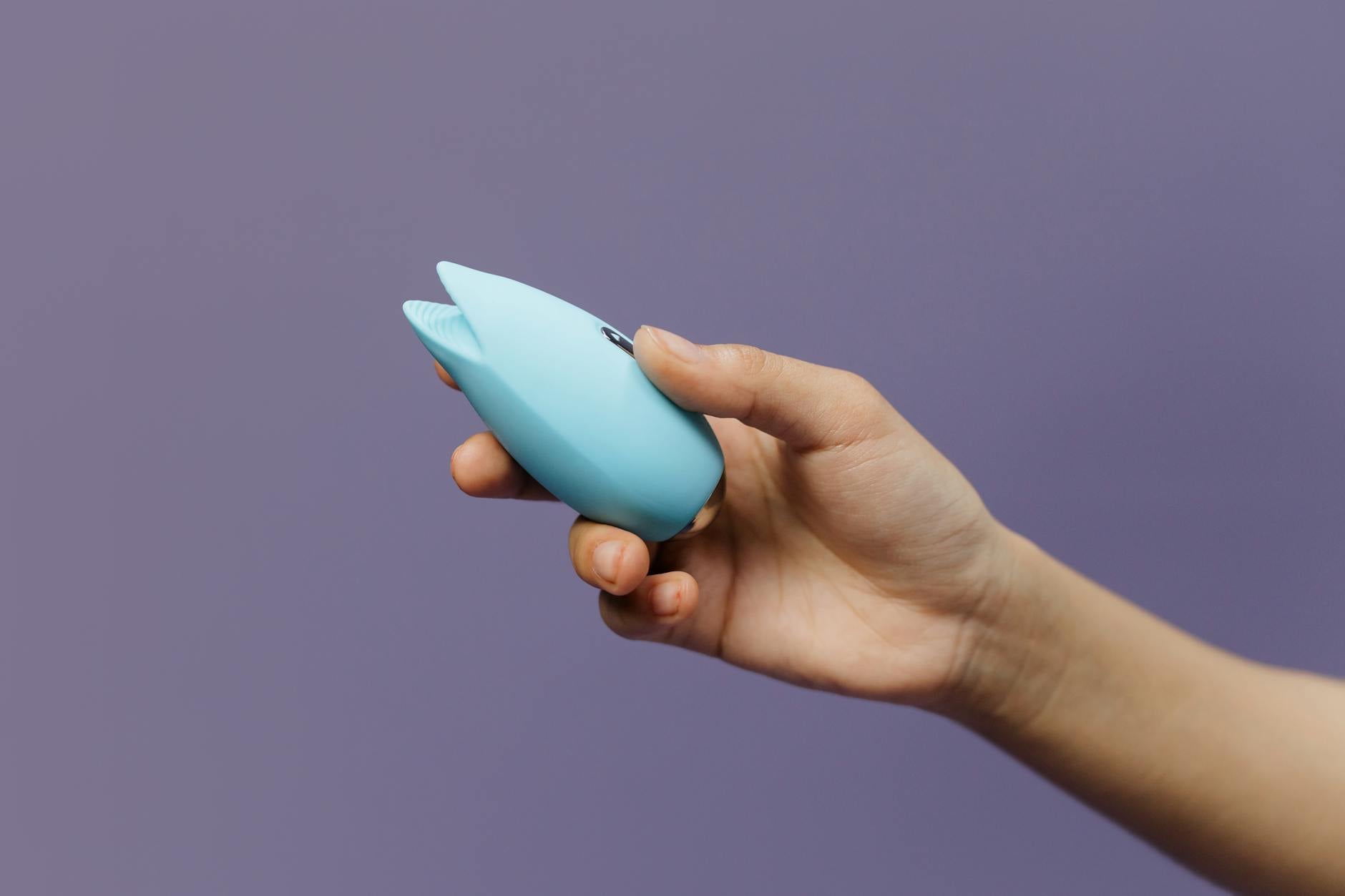
Here's something most people miss: a lemon clitoral suction vibrator feels more like touch than a traditional vibrator does. It mimics what another person's mouth or hands might do. That matters for long-distance couples because when you're using a tool that feels genuinely present and responsive, you're less reminded of what's missing. You're less aware of the distance.
Also, lemon vibrators are usually quieter than traditional vibrators. You can have a conversation on top of the sensation. You can hear your partner breathing. That sensory continuity is where the real connection lives. When you choose the right clitoral vibrator, you're choosing a tool that lets you stay present with your partner rather than lost in pure sensation.
Here's the honest part nobody tells you: synchronized pleasure with distance can make you feel worse before it feels better. You'll get turned on. Your partner will be in your head and your body. Then the call ends. They're gone. And the absence hits harder than it did before the connection.
That's not a sign it's not working. That's a sign it's working. You've reminded your nervous system what being touched by them feels like. And yes, that makes the distance sting. But it also keeps the relationship alive. It prevents the slow erosion that happens when couples stop desiring each other.
What helps: acknowledge the grief afterward. Don't just hang up and move on. Spend five minutes saying what that meant to you. "I felt so close to you just now." "I miss you." "I can't wait until we're in the same place." Let the emotion land. It's real, and it matters.
Long-distance intimacy only works if both people feel safe and respected. That means:
Never pressure sharing. If your partner isn't in the mood or feels awkward, the practice stops. You're building connection, not obligation.
Respect privacy about what you share. You talk about pleasure, but not judgment. You're both learning what works. There's no "wrong" way to experience your own body.
Don't compare it to in-person intimacy. It's not a replacement. It's a bridge. It's its own thing. The moment you start thinking "this isn't as good as being together," you'll resent the practice instead of cherish it.
Delete or protect recordings. If you're sending videos or voice memos, agree on what happens to them. Can they be deleted after? Kept? This seems paranoid until your relationship ends and you're grateful you discussed it.
Here's a weird problem: some couples who've built a strong long-distance pleasure practice feel awkward when they're finally together in person. The tools and rituals made distance bearable. Now you have a body in front of you and you're not sure how to transition.
Talk about it before you reunite. Do you want to use the same tools when you're together? Do you want to explore something new? The practice doesn't have to end just because the distance does. Some couples continue synchronized rituals even when they're in the same bed. It deepens the connection rather than replacing it.
You don't need much. A lemon vibrator, privacy, time. Some couples also add:
A shared playlist to set tone during connection time
A "ready" signal (a specific emoji or phrase that means "I'm alone and available")
A journaling practice where you write about how the experience felt
A monthly check-in where you discuss what's working and what needs to shift
The tools matter less than the intentionality. You're choosing to stay connected even when circumstances make it hard. That choice is the actual intimacy.
Begin without the tools. Ask your partner: "I miss you physically, and I'm not sure how to stay connected while we're apart. Do you want to explore that together?" If they say yes, the next conversation is about what feels comfortable. No pressure, no judgment. You're building trust, not performing.
Asynchronous sharing actually works beautifully for some couples. You describe your experience in a voice memo or written note. Your partner listens or reads when they have privacy. They respond with their own. It becomes like intimate correspondence. Slower, but no less connecting.
Absolutely. A lemon clitoral vibrator is designed to mimic sensation more naturally than traditional vibrators. Many people who haven't used pleasure tools before find that a lemon sucker feels more intuitive and less overwhelming. Start there. You can always explore other options later.
That embarrassment usually means the relationship needs more vulnerability work first. Consider talking to a therapist or reading about emotional intimacy before approaching shared pleasure. The tools amplify what's already there. If trust or communication is fragile, start with that foundation.
Completely normal. You're reminding your body of what it's missing. That grief is real and it means the connection matters. The sadness afterward is not a sign to stop. It's a sign to be gentle with yourself and honest with your partner about what you need.
Pay attention to how you feel about your partner the next day. Do you feel more connected? More patient? More invested? Long-distance intimacy that works shows up as increased goodwill and presence in your normal conversations. If you feel more distant or resentful, the practice isn't serving you and it's worth pausing to reassess.
Distance is temporary. Desire doesn't have to be. When you build a shared pleasure practice with your long-distance partner, you're doing more than managing separation. You're proving to each other that your connection matters enough to protect. You're saying: I miss you. I want you. I'm choosing to stay close even when the geography makes it hard.
That's not just about sex. That's about building a relationship that can weather difficult seasons and come out stronger. And that's something worth the awkward conversations and vulnerable moments it takes to build.
If you're navigating long-distance intimacy and want to talk through what might work for your specific situation, we're here to help. Reach out to our team for guidance tailored to your relationship.