How to Find Pleasure Again With a Lemon Vibrator After Partner Changes
Let's be real. When your relationship status shifts, your body doesn't automatically forget what it wants. But it does sometimes go quiet.
Relationships
Whether you're newly single, navigating a different dynamic, or rediscovering solo pleasure after a long relationship, a lemon clitoral vibrator can help you reconnect with what actually feels good for your body.
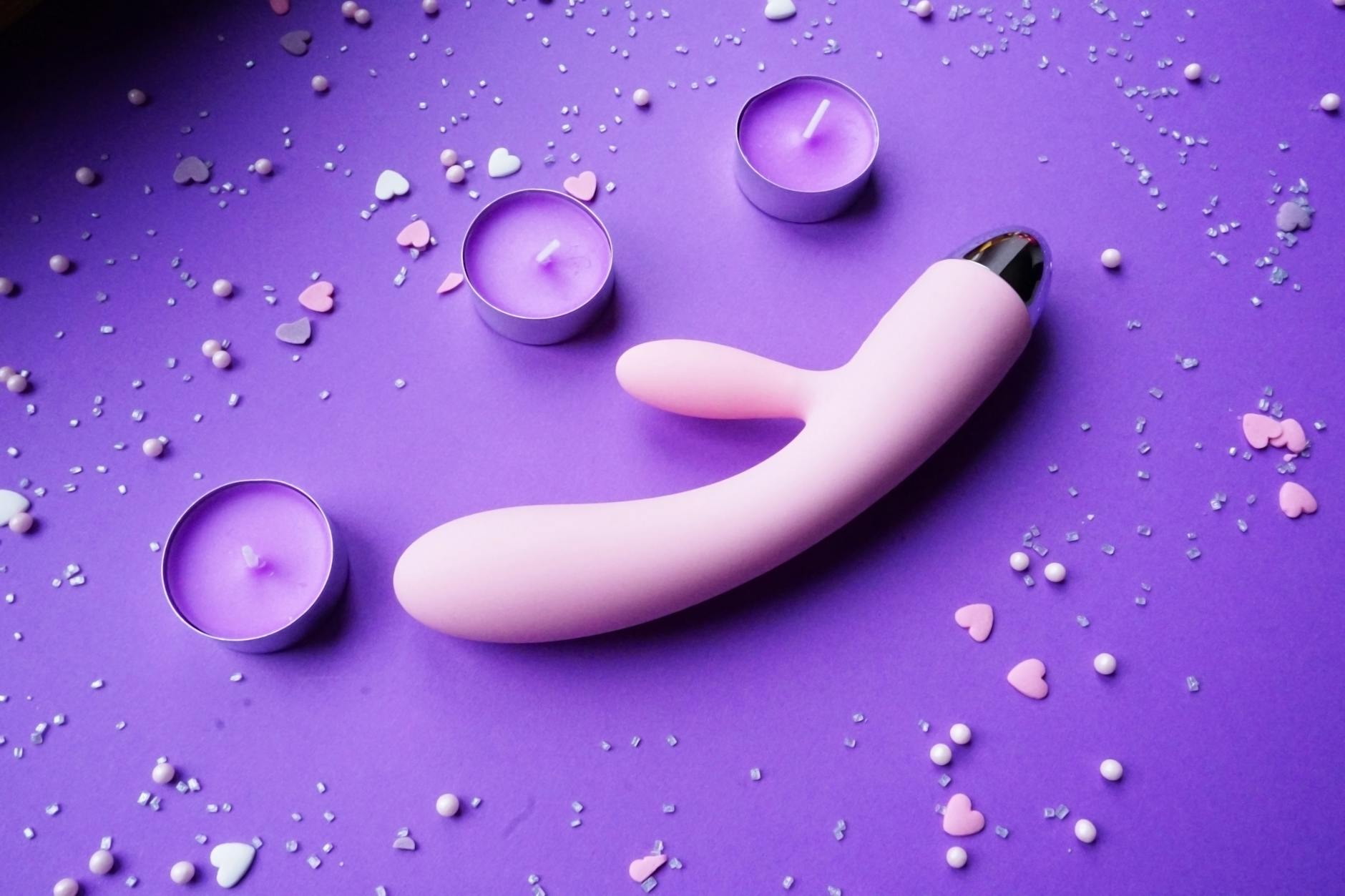
Let's be real. When your relationship status shifts, your body doesn't automatically forget what it wants. But it does sometimes go quiet.
Whether you've just ended a long partnership, entered a new one with different rhythms, or you're rediscovering solo pleasure for the first time in years, pleasure often takes a backseat while you figure out the emotional logistics. And then, when you try to reconnect with that part of yourself, it can feel unfamiliar. Like you're starting from scratch.
You're not. Your nerve endings didn't disappear. Your capacity for pleasure didn't evaporate. What's actually happened is that you've lost the specific context where pleasure lived. And that context matters more than most people admit.
This is a neurological thing, not a failure thing. When you've been sexually intimate with one person for years, your body builds a sexual script. Your nervous system learns a rhythm. The brain maps certain touches, sounds, and timings to arousal. It's efficient. It's also habit.
When that context disappears or changes, your nervous system literally has to relearn what "arousal" means in this new body, at this new life stage, with this new relationship structure (or no structure at all). That's not brokenness. That's your system doing exactly what it's supposed to do.
But here's what makes it confusing. The absence of that script can feel like the absence of desire. You might think, "I don't feel like I did before." And you're right. You don't. You're a different person now, with different nervous system baseline, different stress load, different relationship context. Of course it feels different.
The good news: rediscovering pleasure in this new configuration is often more intentional, more grounded, and honestly more satisfying than what came before. But it requires a different approach.
Here's something I see repeatedly in my practice. After a relationship ends or shifts, the fastest way to reconnect with your own pleasure is not to rush into a new partner scenario. It's to get back in touch with what your solo body actually wants, without the pressure of performing for someone else or matching someone else's timeline.
This is where a lemon clitoral vibrator becomes genuinely useful. Not because it's magic, but because it gives you permission to explore without an audience. To take your time. To try patterns and rhythms that might feel "too slow" or "too intense" or "too weird" if someone else was waiting for you to finish.
When you're using a toy solo, the pressure to perform drops. You can spend fifteen minutes on a single sensation. You can back up and start over. You can stop and come back an hour later. There's no one to impress. This changes everything.
If you haven't used a lemon sucker vibrator before, here's what's different about the design. Instead of a traditional vibrating bullet or wand, lemon clitoral vibrators use pulsing suction technology. Rather than buzzing against tissue directly, they create a gentle pressure wave that stimulates the whole clitoral complex, not just the visible external part.
This matters for pleasure rediscovery because suction feels nothing like the touch of a partner. It's a completely fresh sensory experience. Your nervous system can't muscle memory its way through it. You have to be present to know if you like it. And being present is exactly what rebuilding pleasure requires.
Many people find that lemon vibrators feel less intense when they're starting out, which is honestly perfect when you're recalibrating. You're not fighting overstimulation or numbness. You're in the middle range of sensation where learning happens.
First, lower your expectations of what "success" looks like. You might not orgasm the first time. You might not the fifth time. That's not failure. That's your nervous system gathering data about what pleasure feels like in this body, at this stage, with this tool.
Start with pattern one or two on the device. Most lemon clitoral vibrators have multiple intensity settings and pulse patterns. Resist the urge to jump to the highest one immediately. Your job right now is sensation mapping, not chasing orgasm.
Give yourself twenty to thirty minutes. This is not a sprint. Your nervous system needs time to register what's happening, to notice what feels good, to track the tiny signals your body sends. In modern life, we're rarely quiet enough to hear those signals. A solo session with a lemon vibrator forces that quietness.
Consider starting when you're already a little aroused. Read something that interests you. Look at images that actually land for you. Let your mind wander into whatever fantasy or scenario feels right. The lemon vibrator isn't meant to replace mental arousal. It's meant to amplify what's already starting to move.
This part rarely gets talked about, and it matters. When you go through a relationship transition, solo pleasure often becomes wrapped up in shame or guilt or the feeling that you're supposed to be focused on healing rather than feeling good. I want to be direct: that's a story you've been sold, not a truth.
Reclaiming pleasure after a relationship change is a form of healing. It's you saying to your own nervous system, "Your sensations matter. Your body is safe. You deserve to feel good." That's not selfish. That's foundational.
When you use a lemon vibrator solo and actually let yourself enjoy it, something shifts internally. You stop waiting for permission from a partner. You stop measuring your pleasure against their timeline. You start building evidence that your body knows how to want things and how to feel good independent of external validation.
That matters hugely if and when you enter a new relationship later. You're not going into it hungry for someone to make you feel alive. You're coming in from a place where you already know how to access pleasure. Everything else is a bonus.
If you're in a new relationship and wondering whether to introduce a lemon vibrator into partnered sex, the answer depends entirely on your partner's openness. But here's what I tell people who are hesitant.
Introducing a clitoral vibrator into partnered sex is not an insult to your partner. It's not saying they're not enough. It's saying, "This is how my body works right now. This is what creates pleasure for me in this moment." And if your partner responds defensively to that, you've learned something important about whether they're someone who prioritizes your pleasure.
For many people, a lemon clitoral vibrator during partnered sex actually solves problems. It takes the pressure off the partner to manually stimulate while also thrusting. It gives you a way to get exactly the pattern you need rather than hoping they can read your body. It often makes orgasms more accessible for everyone involved.
But that conversation happens after you've rediscovered your own pleasure solo. You can't ask a partner to support your pleasure if you haven't reclaimed it for yourself first.
Here's something I've learned from working with people through relationship transitions for twenty years. Pleasure isn't something that happens to you. It's something you develop. It's a skill. It's practice.
When you use a lemon vibrator solo after a relationship change, you're not just chasing sensation. You're rebuilding the neural pathways between desire, sensation, and satisfaction. You're retraining your nervous system that pleasure is available to you. You're gathering evidence about what turns you on in this iteration of your life.
That skill doesn't disappear if your relationship status changes again. Once you know how your body works, once you've traced the map of what feels good for you, that knowledge sticks. A lemon clitoral vibrator is just a tool that makes that exploration less lonely, less pressurized, and more curious.
Start anywhere. Start small. Start for yourself. That's the whole point.
This varies widely, but most people report that after three to five solo sessions, they stop thinking about the toy as an object and start thinking about it as a tool. The discomfort usually isn't about the vibrator itself. It's about the unfamiliarity of exploring pleasure without a partner. That settles down faster than you'd expect once you realize no one's watching and you don't have to perform.
Not at all. In fact, it's pretty common. Solo pleasure and partnered pleasure are different things. A lemon vibrator might be exactly what your nervous system needs on a Tuesday alone, and partnered sex might feel completely different on Friday night. You don't have to choose.
Then nothing happened. That's data, not failure. Your nervous system might need more time. You might need different mental content. You might need to be in a different environment. Notice what's present without judgment. This is exploratory. Try again in a few days or a few weeks. Pleasure isn't on a timer.
Yes, often. Disconnection from your body is a common response to relationship trauma or transition. A lemon vibrator gives you a gentle, specific reason to pay attention to your body. You're not meditating. You're not forcing yourself to "feel your feelings." You're simply noticing sensation. That small act of attention can begin rebuilding the thread between you and your own nervous system.
If you want to. Pleasure isn't only a physical thing, and relationship transitions carry emotional weight. A good therapist can help you untangle what's emotional from what's hormonal from what's just nervous system recalibration. A lemon vibrator and a therapist aren't in competition. They work well together.
Your way. The right way is whatever way makes you curious, gentle, and willing to pay attention to your own body without judgment. Some people start with solo exploration. Some people need permission from a new partner first. Some people need months of distance. What matters is that you're the one deciding what happens next with your own pleasure, not waiting for someone else to dictate it.
After a relationship transition, your body doesn't need fixing. It needs attention. A lemon vibrator is a permission slip to give your own pleasure that attention without waiting for external validation. You deserve to feel good. That's not negotiable. That's foundational.
Start where you are. Use what you have. Notice what happens. The rest unfolds from there.
If you'd like to talk through what might work best for your situation, reach out. I'm here.