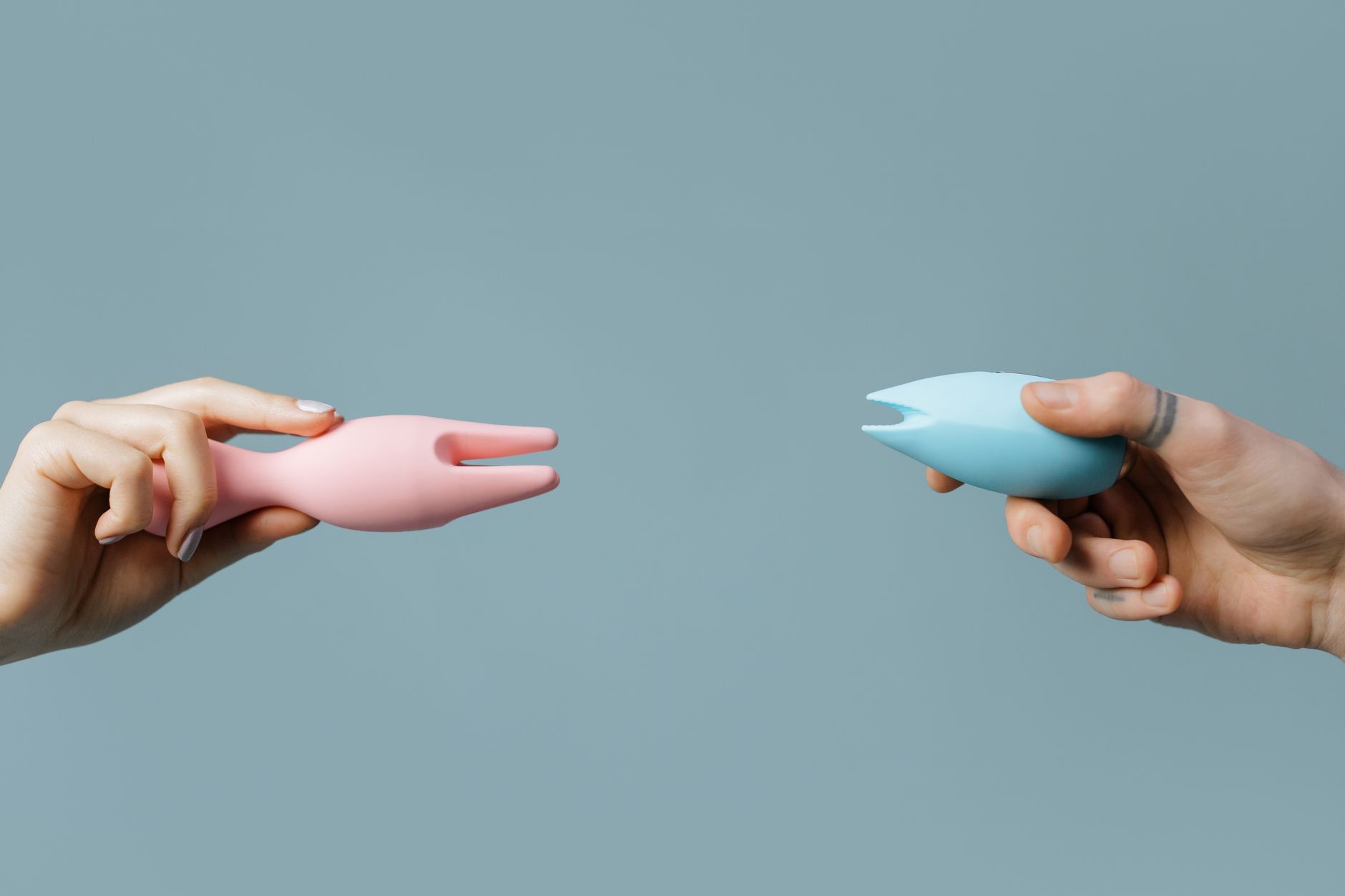
Let's name what's actually happening
After sexual trauma, pleasure doesn't disappear. But your nervous system gets locked into protect mode. Your body learned that vulnerability equals danger. A lemon vibrator won't erase that learning, but it can give your nervous system a completely different message. One where you have control, where you set the pace, where nothing surprises you.
I work with survivors every week, and the ones who rebuild the richest pleasure lives aren't the ones who push hardest. They're the ones who use tools that let them move slowly, solo, at their own pace.
Why solo pleasure changes everything
Here's the thing about trauma recovery and pleasure. When another person is involved, your nervous system is monitoring them. Are they trustworthy? Will they respect a boundary? Are they reading your face correctly? That monitoring uses up all your bandwidth. You can't actually feel good because you're too busy staying safe.
Solo exploration with a lemon clitoral vibrator removes that layer entirely. There's no one to watch, no one to perform for, no one whose pleasure depends on yours. The Lem's suction design means you're not managing someone else's rhythm or pressure. You control every single variable. That autonomy is the entire point.
Many survivors tell me that the first time they experienced pleasure after trauma came alone, with a toy they could pause instantly. That's not a detour from real pleasure. That's the doorway.
Why the Lem works specifically for trauma recovery
A traditional vibrator requires trust in a different way. It's an insertion, a penetrative object, which can trigger trauma responses even if you don't expect it to. A lemon sucker is external, non-penetrative, and lets you keep your legs together and your environment completely visible. You're not vulnerable in space. You can stop instantly without explanation or negotiation.
The suction sensation itself is gentler than vibration for many survivors. It's less likely to trigger a startle response. It builds arousal gradually, which means your nervous system has time to regulate as you go. You're not jumping from zero to sixty.
Start on the lowest setting. The Lem has multiple intensities for exactly this reason. Pattern one feels like gentle, steady pressure. It's not aggressive. It's not demanding. It's just there, waiting for your body to respond.
Building the actual structure for success
Three things need to be true before you even pick up a lemon vibrator.
First, you're in a physically safe space. Door locked, phone silenced, no chance of interruption. Your nervous system needs to know interruption won't happen. If you flinch at every noise, you won't be able to focus on sensation.
Second, you've given yourself explicit permission. Not "I should try this," but "I'm allowed to feel good right now, and nothing bad will happen." That sounds small. It's actually the entire foundation. Many trauma survivors have internalized a message that pleasure is unsafe or that they don't deserve it. You need to actively counter that.
Third, you have an exit strategy. Know ahead of time that you can stop whenever you want, for any reason. You don't need to justify it. You don't need to continue just because you started. The Lem stops immediately when you release the button. That certainty matters more than you'd think.
The first time is about information, not outcome
Please don't put pressure on yourself to orgasm. I mean this firmly. If you orgasm, great. If you don't, that's also fine. The goal of your first session is just to notice sensation. What does it feel like? Is it pleasant, neutral, or does it trigger something? Does your body relax or tense? Do you want to continue or stop?
That's all the data you need. No more, no less.
Set a timer for ten minutes if that helps you stay calm. You could spend five minutes on external touching with the Lem off, noticing how your body feels in that moment. Then spend five minutes with it on the lowest setting, observing what happens. After ten minutes, stop. Notice how you feel in the next hour. Are you calmer? More anxious? Neutral?
You're gathering information about your own nervous system, not trying to achieve anything.
When your body has a trauma response
If you start and your body tightens, your breathing gets fast, or you feel panicky, stop immediately. This isn't failure. This is useful information. Your nervous system is telling you something. Maybe you need more time. Maybe you need a different approach. Maybe you need to do this with a therapist.
All of those are fine. Healing isn't linear. The fact that you're trying to reclaim pleasure is brave. The pace doesn't matter.
If this happens, try grounding techniques before your next attempt. Notice five things you can see, four you can touch, three you can hear, two you can smell, one you can taste. That reorients your nervous system from past trauma to present moment. Then try again a few days later.
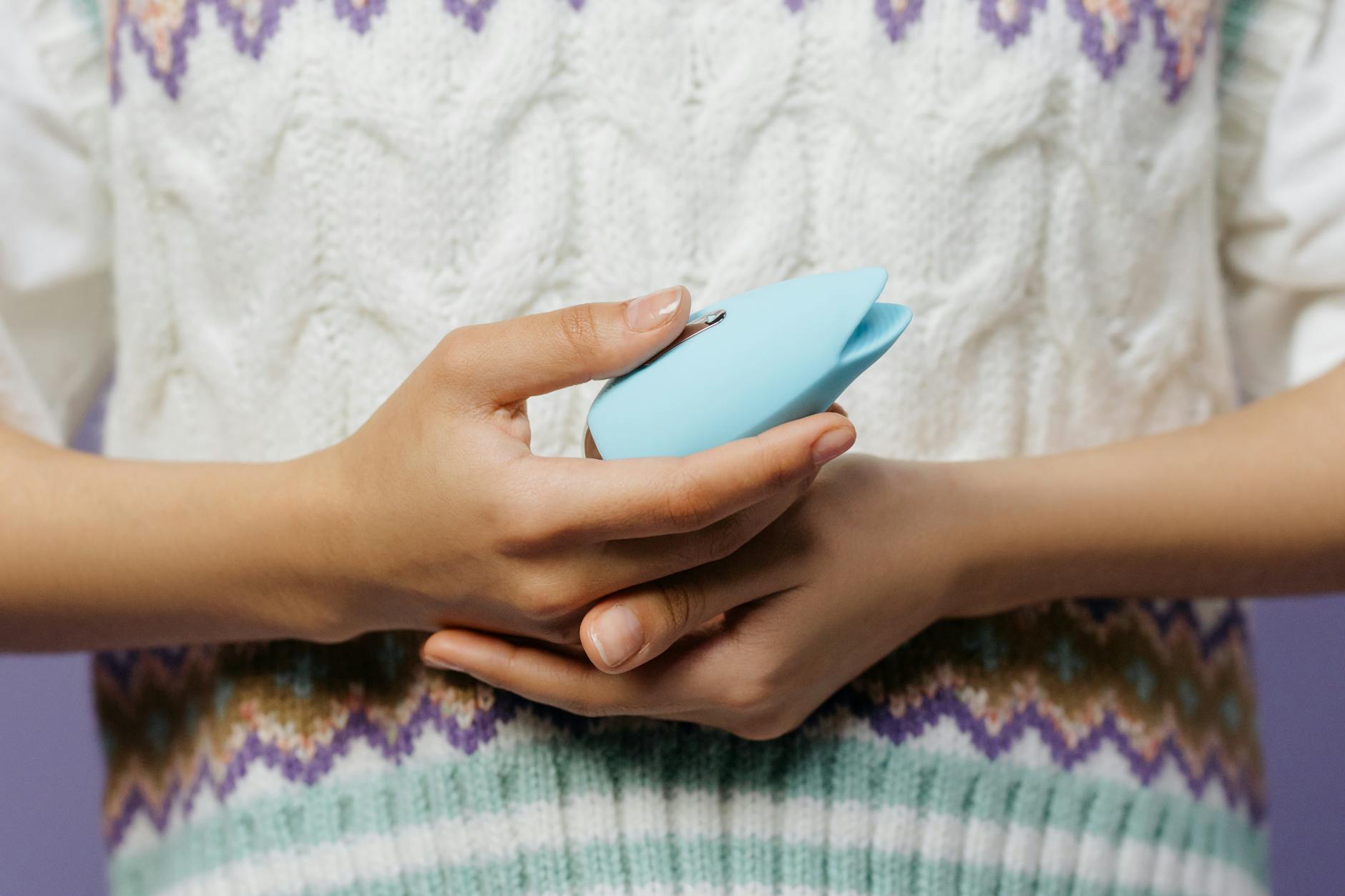
Photo by cottonbro studio on Pexels
The role of a partner (if you have one)
If you're in a relationship with someone trustworthy, their job during this phase is to step back. Not to disappear, but to give you space to rebuild this alone first. This isn't about them. It's about your nervous system learning that pleasure can exist without performance or partnership.
Once you've spent a few weeks exploring solo, and you feel safe with sensation, then you might bring a partner in. But only if you want to. Some survivors find that solo pleasure is enough, and that's completely legitimate.
If you do invite a partner eventually, make it about observation, not participation at first. They watch. They don't touch. They're learning what turns you on, where your boundaries are, how you like to move. That information is valuable for them, and the dynamic of being seen (rather than touched) can feel less threatening than immediate contact.
Addressing shame if it shows up
Some trauma survivors carry guilt about pleasure. You might hear a voice saying, "I shouldn't want this," or "This is wrong," or "I'm being selfish." That voice is often inherited from the trauma itself. It's not truth.
Your pleasure matters. Your body deserves to feel good. Using a tool like a lemon clitoral vibrator to rebuild that capacity is an act of self-care and resistance. You're literally telling your trauma that it doesn't get to control your body anymore.
When shame shows up, name it. "That's the trauma talking. I'm safe. My pleasure is allowed." Then keep going, or pause and try tomorrow. Either way, you're winning.
How to know you're progressing
You don't need to reach orgasm to be making progress. Progress looks like: noticing you can relax a little bit more each session, feeling a slight twinge of arousal where there was numbness before, being able to stay present for longer without dissociating, feeling less shame in the aftermath.
These are the real markers. They're quieter than an orgasm, but they're far more important.
If you've been exploring for a few weeks and your nervous system is starting to believe that pleasure can be safe, that's everything. From that foundation, everything else becomes possible.
When professional support matters
If you're struggling with intrusive memories, nightmares, or intense panic responses during or after any kind of sexual exploration, talking to a trauma-informed therapist is important. Some survivors benefit from EMDR or somatic therapy before trying pleasure tools. There's no shame in that timeline. You're not broken. You're just being strategic about your healing.
A therapist can also help you process any emotions that come up. Sometimes reclaiming pleasure brings grief to the surface. That's normal. You're mourning what was taken from you. A professional can hold that with you.
The long game
Reclaiming pleasure after trauma isn't about one perfect session with a lemon vibrator. It's about slowly, gently teaching your body that sensation can be good, that your needs matter, that you deserve this. Some days that'll feel true. Some days it won't. Both are part of the process.
You're not trying to get back to where you were before. You're building something new. Something you control entirely. Something that belongs only to you.
People also ask
Is it normal to feel nothing when I use a lemon clitoral vibrator after trauma?
Completely normal. Trauma numbs sensation as a survival mechanism. Your nervous system learned to disconnect so it wouldn't feel the full impact of what happened. A lemon vibrator can help rewire that, but it takes time. Weeks or months of gentle, repeated exposure help your body understand that sensation is safe. If numbness persists after consistent solo exploration, talking to a therapist can help you work through the deeper nervous system stuff.
Can using a lemon vibrator trigger trauma responses?
It's possible, especially if your trauma was sexual. This is why starting alone, in a safe space, with an exit strategy is crucial. If it does trigger something, that's not a sign that you're doing it wrong. It's information. You might need more time, a different tool, or professional support. All of those are valid choices. There's no timeline for healing.
How long should I wait after trauma before trying any sex toy?
There's no universal answer. Some survivors feel ready after a few months. Others need years. The right time is when you feel genuinely curious, not obligated or pressured. If you're trying because you think you "should" be over it by now, that's not readiness. If you're trying because you're actually curious about your own pleasure, that's different. Listen to your own timeline.
What if my partner wants me to use a sex toy but I'm not ready?
Your readiness matters more than their timeline. If you're not ready, you're not ready. A partner who respects your trauma will understand that. If they're pushing, that's a red flag about the relationship itself. Rebuilding pleasure after trauma requires patience and genuine care. If that's not present, pleasure tools won't fix the underlying problem.
Can a lemon sucker be less triggering than a traditional vibrator for trauma survivors?
For many survivors, yes. It's non-penetrative, external, and doesn't require you to be in a vulnerable position. The suction sensation is gentler and more controllable than vibration. You can stop instantly without managing someone else's reaction. That control and safety is part of what makes it useful for trauma recovery. That said, every person is different. What feels safe for one survivor might feel triggering for another.
How do I talk to a therapist about reclaiming pleasure after trauma?
Be direct. "I'm working on rebuilding a healthy relationship with pleasure and sexuality after what happened. I want to explore solo first." A good trauma-informed therapist will support this. They've heard it before. They won't judge. If your therapist seems uncomfortable with this conversation, that's a sign you might need a different therapist. Your healing deserves proper support.
Moving forward
Reclaiming pleasure after trauma is one of the quietest acts of rebellion. You're telling your body that it gets to feel good again. You're telling the trauma that it doesn't get to own you forever. A lemon vibrator is just a tool, but tools matter. They give you agency. They let you move at your own pace. They remind you that your pleasure is yours and nobody else's.
If you have questions about this journey, reach out. Nancy Lem Shop exists for exactly this reason. To support people in rebuilding what was taken.