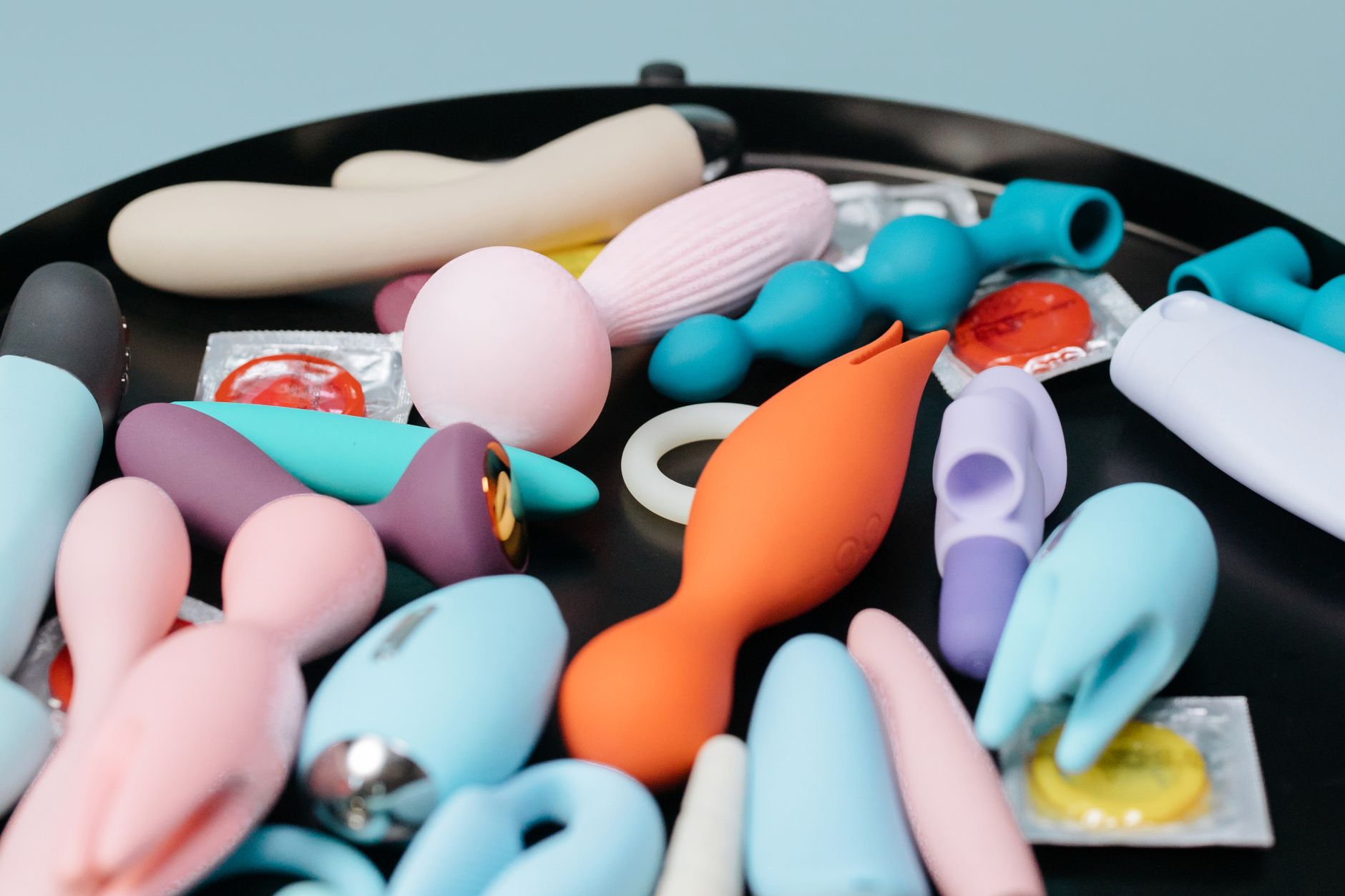
Let's name what's actually happening
You've stepped away from sex. Maybe it was intentional. Maybe it wasn't. Could be health stuff, relationship stuff, work stress, grief, kids, recovery, burnout, medication changes. The reason doesn't matter as much as this: your body is hesitant, your mind is cautious, and you're wondering if you can even still feel what you used to feel.
Here's the honest thing. You can. Your nerve endings haven't gone anywhere. Your capacity for pleasure is still there. But restarting after a break isn't the same as picking up where you left off. Your body needs permission, time, and tools that don't ask too much of you right away.
Why a break actually changes your body's response
This isn't in your head. Physical changes happen. When you're not sexually active for months, the tissues in your vulva get less blood flow, which means slower arousal, less natural lubrication, and a pelvic floor that's tighter than it used to be. Your nervous system also recalibrates. After a long pause, your body defaults to a lower arousal baseline. It's protective, honestly. It's your nervous system saying, "Let's make sure this is safe before we rev the engine."
The clitoral nerve density stays the same, but the pathways that light up during arousal need to be reactivated, almost like a muscle that's been resting. This takes time and repetition. That's not failure. That's just biology.
Why lemon vibrators work better for this specific moment
If you've never tried a lemon clitoral vibrator like the Lem, now is honestly the best time. Here's why. Traditional vibrators use sustained vibration, which can feel intense or even raw if your tissues are sensitive from the break. Lemon vibrators, which use gentle suction and release patterns, mimic the sensations your body already knows and trust. The stimulation builds gradually instead of hitting hard from the first second.
The suction method is less triggering for nervous systems that have been in rest mode. You're not assaulting the clitoris with rapid vibrations. You're inviting it back gently, with a rhythm that feels almost like a massage. Most of my clients who've taken a break find that the Lem feels more like reconnection than shock.
It's also easier to control intensity. You can start on the lowest pattern and stay there for as long as you need. There's no pressure to move to a "harder" mode if you're not ready.
The warm-up that actually matters
Forgot this part? You're not alone. But it's non-negotiable now. Budget 15 to 25 minutes before you even think about using a clitoral vibrator.
Start with touch. Your own hands. No goal, no performance target. Just your fingers on your skin, noticing what feels good. This isn't lazy. It's essential. Your nervous system needs to remember that your body is a safe place to be aroused in. Spend 5 to 10 minutes just touching yourself without any tools.
If you have a partner and you want them involved, start with the same rule. Skin contact. Kissing. Slow movement. No rush to penetration or toys. Your body needs permission to build arousal on its own timeline before you add sensation.
After that foundation, introduce lubrication. Water-based, always. Even if your body is producing some natural lubrication, add more. This does two things. It signals to your nervous system that it's safe to relax the pelvic floor, and it removes any friction that might feel uncomfortable on tissues that have been dormant.
Only then, usually around minute 10 to 15, introduce the lemon vibrator. Start on pattern one or two. The goal isn't an orgasm right now. The goal is sensation. Noticing. Remembering what pleasure feels like.
What to expect (and what's normal)
Your first time back might not feel like much. You might feel some warmth, some interest, maybe not the intense sensation you remember. This is completely normal. Your nerve endings are waking up. They need a few sessions to start firing at full capacity.
You might also feel emotional. Tears, unexplained sadness, or relief so strong it catches you off guard. Pleasure after a break can unlock a lot of stored feelings. That's not a sign something's wrong. That's a sign something's healing.
Orgasm might take longer than it used to. You might not have one on the first try. That's fine. Honestly, that's good. You're recalibrating with zero pressure. Most people find that orgasms return between session two and session five, once their nervous system remembers the pattern.
If you're restarting with a partner
This conversation needs to happen outside the bedroom. "I want to take time reconnecting with pleasure" is different than "I want us to have more sex." Mixing those conversations creates pressure and resentment.
Tell your partner what you need. "I'm going to explore solo for a few weeks to feel comfortable again, and then we can reconnect together." Or if you want them involved from the start, be specific about the pace. "I need us to take 20 minutes just touching and kissing before we try anything with toys."
Using a lemon vibrator together after a break is actually a wonderful reconnection point because the focus shifts from performance to exploration. You're both learning what your body responds to now. There's no "should." There's just curiosity.
Read the guide on how to introduce a lemon vibrator to a new partner without awkwardness for specific language and timing.
The timeline realistic people need to know
Week one. Warm-up practice, solo touch, maybe one session with the Lem on low patterns. No orgasm goal.
Weeks two to three. Two to three sessions per week. You'll probably notice sensation getting stronger. Arousal building a bit faster. Some people hit orgasm here. Some don't yet.
Weeks four to six. Most bodies are back online by now. Nerve pathways are reactivating. Arousal comes more quickly. Pleasure feels more familiar.
After that, it's about maintenance. Using the Lem regularly (even solo) keeps the nervous system in a state where arousal and pleasure are accessible, especially if you've had long stretches of dormancy before.
If you're still not feeling much after six weeks of consistent practice, that might signal something else is at play. Medication side effects, deeper emotional blocks, hormonal shifts, or relationship tension. That's when a conversation with a doctor or therapist makes sense.
When to get support
If pain shows up during warm-up or with the Lem, pause and talk to a pelvic health specialist. Tightness after a break is normal, but pain is not.
If you're feeling blocked emotionally, like your mind won't let your body relax, consider talking to a therapist who specializes in sexual health or relationship dynamics. Sometimes a break isn't just physical. Sometimes it's protecting you from something that needs to be addressed first.
If you're restarting after sexual trauma or assault, go slower than the timeline I described here. You might benefit from working with a trauma-informed therapist alongside your physical reconnection. The Lem can be part of that healing, but it shouldn't be the whole story.
The thing nobody says out loud
Restarting sex after a long break is actually an opportunity. You get to learn what your body wants now, not what it wanted five years ago. You get to ask for what you need instead of defaulting to old patterns. You get to use tools like lemon clitoral vibrators that didn't exist or didn't feel accessible to you before.
This isn't a regression. It's a reboot. And honestly, a lot of people find their best sex lives happen after they've taken a real break and come back intentionally.
Frequently asked questions
How long should I wait before using a vibrator if I've been inactive for a long time?
Start with solo touch and warm-up for at least a week before introducing any tool. Your nervous system needs time to remember that arousal is safe. After that, you can begin using a lemon vibrator on the lowest settings. There's no hard rule, but respecting the "slow introduction" principle matters more than hitting a specific date. Most people benefit from a full week of warm-up before adding toys.
Can I use a regular vibrator if I don't have a lemon vibrator?
You can, but it's less ideal after a long break. Traditional vibrators deliver constant, intense stimulation that can feel overwhelming if your body is just reactivating. Lemon vibrators using suction patterns are gentler and more forgiving for nervous systems that have been dormant. If you only have access to a standard vibrator, start it on the lowest setting and use it sparingly until your body adjusts. Then upgrade to a clitoral vibrator designed for sensitivity if you can.
What if I'm not feeling anything even after a few weeks?
First, check in with yourself emotionally. Is something blocking you? Stress, relationship tension, or unresolved trauma can keep arousal shut down even when your body is physically ready. If the emotional side feels clear, book a check-in with your doctor. Medications, hormonal changes, or underlying health conditions can all dampen sensation. A pelvic health specialist or sex therapist can also help you troubleshoot what's actually going on.
Should I tell my partner I'm using a vibrator during this restart phase?
That depends on your relationship agreement. If you're in a monogamous partnership, transparency usually helps more than secrecy. You don't need permission, but sharing "I'm reconnecting with my body using a toy" removes mystery and creates partnership. If you're not ready to share, that's worth exploring why. Sometimes hesitation signals a deeper conversation that needs to happen anyway.
How do I handle performance anxiety while restarting?
Remember that there's no performance here. You're exploring, not achieving. Set an intention before each session: "I'm noticing what feels good" instead of "I need to orgasm." The moment you shift from goal-oriented to curious-oriented, anxiety drops. Most performance anxiety disappears once you've had one or two sessions where pleasure felt good, orgasm or not. The proof that your body still works is more powerful than any affirmation.
Is it normal to feel emotional during or after reconnecting with pleasure?
Completely normal. Your nervous system is releasing tension it's been holding. You might cry, feel sad, feel relieved, or feel unexpectedly joyful. All of it is your body processing the break and the restart. Let it happen. Don't medicate it or push through it. Emotions are part of reconnection.
Your body is ready. Your timeline isn't.
Every person I've worked with who's restarted after a break has found their way back to pleasure. It took patience. It took tools that worked for their specific situation. It took permission to go slow and let sensation rebuild instead of forcing it.
You don't need to rush. Your nervous system doesn't care if it takes three weeks or three months to feel fully alive again. What matters is that you show up intentionally, without judgment, and let your body remember what it already knows.
If you're navigating a bigger relationship shift during this restart, consider reaching out. We're here to help you think through the conversation with your partner or work through any blocks that are keeping you stuck. Drop us a line at /contact.