Let's name what this actually is
Sexual trauma rewires your nervous system. It changes what feels safe in your body, what triggers you, and whether pleasure even registers as possible. So when I say a lemon vibrator can help you heal, I'm not talking about porn recovery or spicing things up. I'm talking about slowly, carefully rebuilding the ability to experience physical sensation as belonging to you and only you.
This takes time. This takes intention. And honestly, it takes permission to go slow.
Why lemon vibrators specifically matter in trauma recovery
Most vibrators demand your attention immediately. They're loud, intense, and require you to surrender control to their rhythm. For someone whose trauma involved a loss of bodily autonomy, that's the opposite of healing.
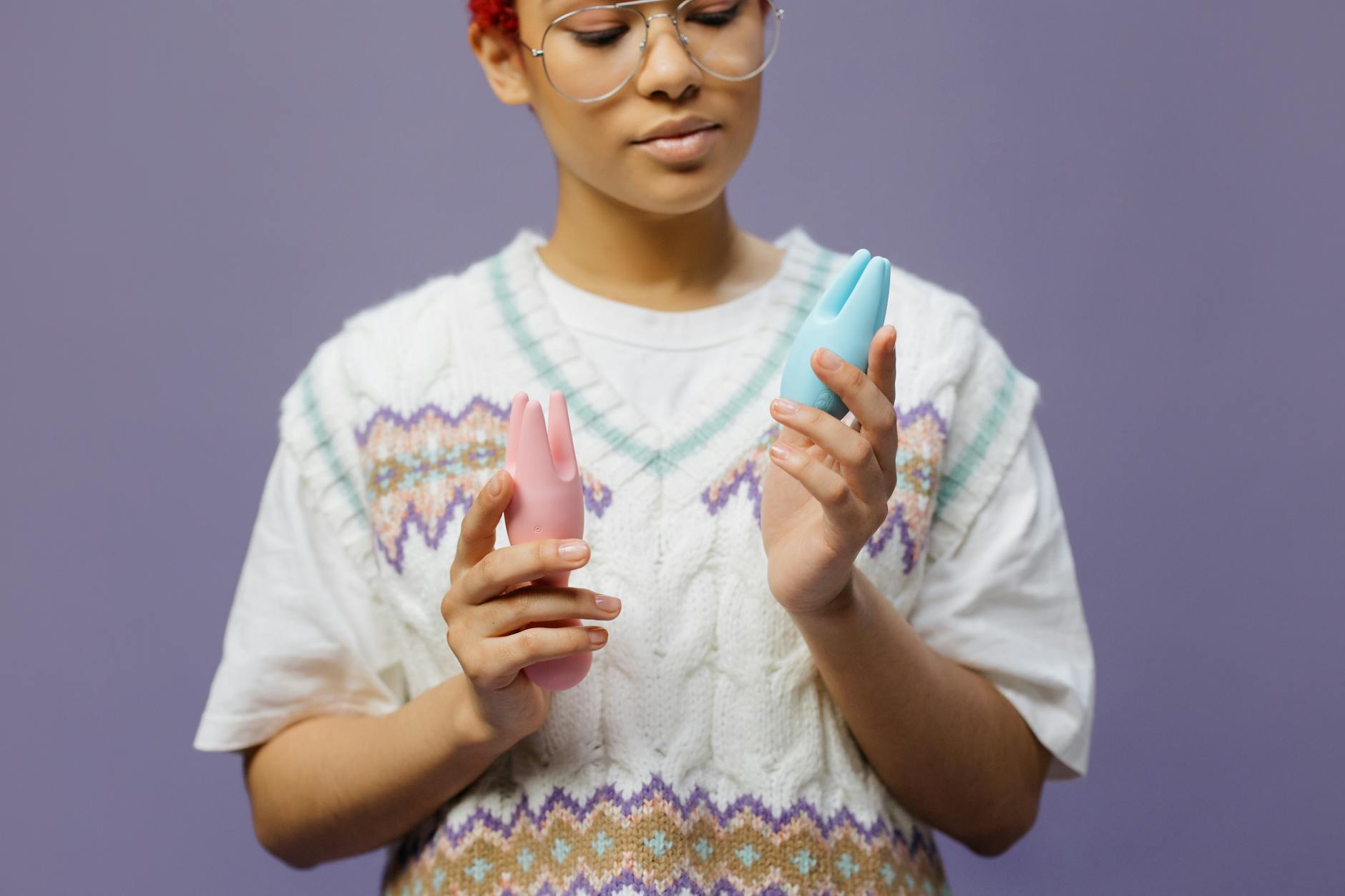
A lemon clitoral vibrator works differently. The suction pattern is gentler than traditional vibration. You control the intensity from the very beginning. And crucially, you can stop instantly without negotiation. That last piece matters more than you'd think. Your nervous system needs to know, from muscle memory, that you have an off switch.
The lemon design itself is non-threatening, almost playful. It doesn't look clinical or overtly sexual, which means less activation of shame pathways in your brain. For trauma survivors, shame is often tangled up with the trauma itself. A sex toy that doesn't activate shame is a sex toy that lets you focus on sensation instead of judgment.
The nervous system piece (this is the real work)
After sexual trauma, your body often goes into protective mode. Your nervous system flags the genital area as potentially dangerous. Even when you consciously know you're safe, your body doesn't get the memo. That's not weakness. That's a normal survival response.
Using a lemon vibrator during recovery means teaching your nervous system, slowly, that touch in that area can happen on your terms. The suction sensation is different enough from penetration or forced touch that it doesn't trigger the same fear response. You're literally creating new neural pathways around pleasure and touch.
Start by using it while you're already calm. Not during a moment when you're trying to "get somewhere" sexually. Just hold it. Let your nervous system register: this object is here, I control it, and nothing bad is happening. Repeat that until it's boring. Boring is the goal.
Only when boring happens do you experiment with turning it on, on the lowest setting, for three to five seconds. Then stop. The point isn't arousal yet. The point is safety registration.
Grounding practices that work alongside the vibrator
You'll need more than the toy. You'll need a practice.
Before using a lemon vibrator, spend five to ten minutes grounding yourself in your body. This means noticing five things you can see right now, four you can touch, three you can hear, two you can smell, one you can taste. This simple practice tells your nervous system: I am here, I am present, I am not back in the trauma moment.
Then, as you use the vibrator, keep narrating. Not dirty talk. I mean: "I can feel the lemon shape. The suction is on level one. I can stop this whenever I want." Out loud if you need to. Your own voice is a powerful grounding tool.
If at any point you feel a freeze response, numbness, or dissociation, stop. Put the vibrator down. Ground yourself again. There's no prize for pushing through. Stopping is the whole point. You're retraining your body to listen to itself.
Why shame thrives in silence
Here's something therapists rarely say directly: one of the most healing things you can do after sexual trauma is tell someone. Not for their benefit. For yours.
I'm not saying you have to announce to everyone that you're using a lemon vibrator for healing. I mean tell a trauma-informed therapist, a trusted partner, or even a support group that you're working on reclaiming your body. The isolation of keeping trauma private is part of what keeps it locked in your nervous system.
If you have a partner, the conversation might be: "I'm working on feeling safe in my body again. A lemon vibrator is part of that for me right now. I need you to know that this isn't about you. It's about me rebuilding trust with myself." That clarity prevents the shame from hiding.
Partners and patience (if that applies to you)
If you're in a relationship, your partner may feel confused, rejected, or concerned when you start this work. That's understandable. Their feelings are real. And they're not your responsibility to fix.
What you can do is be clear: "This is part of my healing. It has nothing to do with how I feel about you." If they push back or make it weird, that's a sign that you might benefit from couple's therapy with someone who specializes in trauma.
A good partner will sit with this. They'll understand that your pleasure, your body, and your healing are not gifts you owe them. They're your responsibility to yourself.
Timeline expectations (realistic, not optimistic)
Recovery isn't linear. You might have weeks where using a lemon clitoral vibrator feels okay, then suddenly a smell or a time of day triggers you and you're back to feeling unsafe. That's not failure. That's healing, which looks messy from the inside.
Many trauma survivors report that it takes three to six months of consistent, gentle practice before pleasure feels possible again. Some take longer. That's not a deadline. That's just... how long it takes for a nervous system to recalibrate.
The fact that you're trying means you're already doing the work.
When to get professional support
If you're experiencing flashbacks during or after using the vibrator, stop and call a trauma-informed therapist. If you feel numb no matter what, that's dissociation, and that needs clinical attention. If shame becomes overwhelming, that's also something a professional should help with.
Trauma recovery isn't something you should do alone, even with the best tools. A lemon vibrator is a helper, not a replacement for therapy.
The quiet victory
Healing looks like this: one day you use your lemon vibrator and you don't think about the trauma. You just feel the sensation. You notice your breath. You're present in your own body. And nobody needs to know about it but you.
That's the reclamation. Not performance. Not intensity. Just your body, your choice, and your pleasure as something that belongs to you and only you.