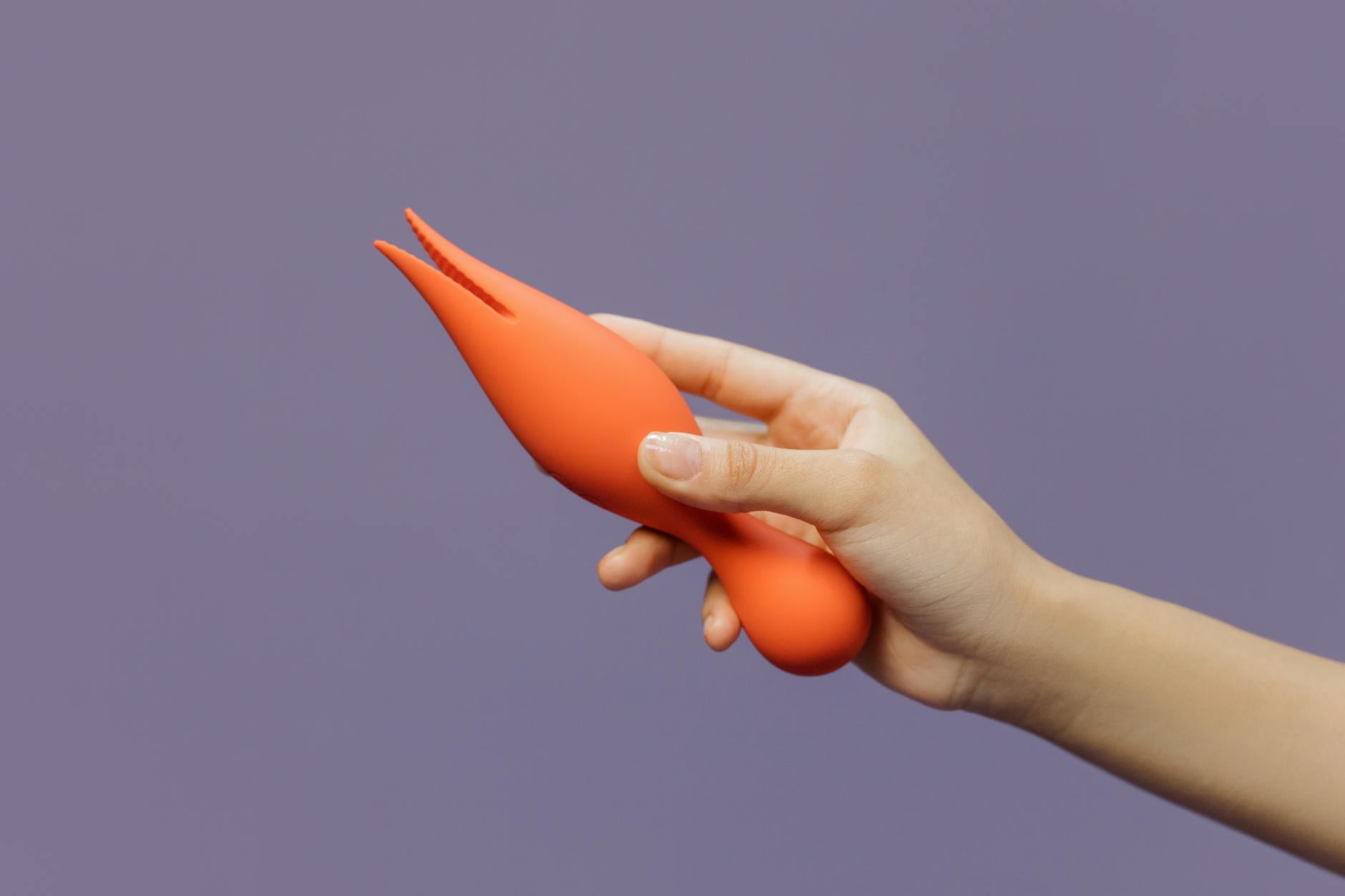
Let's be real about mismatched libidos
One of you wants sex three times a week. The other wants it three times a month. One of you springs out of bed ready to go. The other has been up since 5 a.m. with the kids or the commute or both. This isn't a relationship problem. It's a logistics problem.
Most couples never talk about this directly because we've been taught that desire should be synchronized, spontaneous, and equally energized on both sides. But that's not how human bodies work. Energy fluctuates. Hormones shift. Work stress piles up. One partner might have lower testosterone baseline, or a higher stress load, or a different sleep schedule. These aren't relationship red flags. They're just... real.
Here's where a lemon vibrator changes the equation. Instead of waiting for both of you to be in the same energy state at the same time, you can create a framework where one partner gets what they need while the other conserves energy. That sounds transactional. It's actually deeply intimate.
Why this matters more than you think
When desire mismatch goes unaddressed, it becomes resentment. The higher-libido partner starts feeling rejected. The more fatigued partner starts feeling pressured. Sex becomes a negotiation or a fight instead of something either of you actually wants. Within a year or two, you're not having sex at all.
Research on long-term couples consistently shows that the biggest predictor of relationship satisfaction isn't frequency of sex. It's whether both partners feel their needs are being acknowledged and met. You don't have to want sex at the exact same moments to have that.
A lemon clitoral vibrator is elegant for this specific problem because it requires minimal stamina from the partner who's running on empty, while delivering actual pleasure to the partner who's been wanting this. Nobody's faking enthusiasm. Nobody's gritting their teeth. Both of you get something real.
The framework that actually works
Start with honesty about what "different energy levels" actually means in your dynamic.
Is it tiredness? One of you crashes after work or parenting. The solution is timing around energy, not expecting both of you to suddenly want sex at the same voltage.
Is it baseline desire? One of you has always wanted sex more often. This isn't about fixing the lower-libido partner or making the higher-libido partner wait forever. It's about acknowledging that different doesn't mean broken.
Is it timing mismatch? You're on different work schedules, sleep cycles, or mental bandwidth. A morning person and a night person in the same bed creates structural conflict.
Identify which one applies to you, because the solution changes. If it's tiredness, the answer is usually scheduling sex earlier in the day or building in a transition ritual that helps the tired partner shift gears. If it's baseline desire, you're accepting that one partner will sometimes get pleasure that the other doesn't initiate. If it's timing, you might discover that 9 p.m. works for nobody but 6 a.m. or a weekend morning works for both.
How a lemon vibrator bridges the gap
Let's say you and your partner have a 70/30 desire split. Your partner wants sex twice a week. You want it once a week, tops, especially on weeknights. Here's how this works:
The tired partner stays present but less active. You might kiss, hold each other, maybe use your hands or mouth. But you're not thrusting for 20 minutes. The lemon clitoral vibrator is doing the heavy lifting. You're giving presence and intimacy without burning through the energy reserves you need for tomorrow.
The higher-libido partner gets real stimulation. Unlike just using your hands or a basic vibrator, a lemon suction toy feels different. It engages the clitoral nerves in a way that creates deeper, sometimes more intense sensations. Your partner isn't waiting for you to get tired. They're getting exactly what they need.
Both of you can actually enjoy this. The tired partner isn't white-knuckling through sex. The higher-libido partner isn't settling for manual stimulation alone. You're both meeting somewhere that feels real.
The key is talking about this beforehand, not launching into it. "Hey, I want us to have more sexual connection, but I'm genuinely exhausted on weeknights. What if we tried something that takes less stamina from me but still gives you what you want?" That's a conversation, not a rejection.
The practical reality of using lemon vibrators together
Start small. You don't need to make a production out of this. One night, mention it. "I read about people using a lemon vibrator together, and I thought it might be fun." See how your partner responds. If they're interested, great. If they need time, that's fine too.
When you do try it, skip the performance energy. You're not putting on a show. You're being intimate and a little bit lazy, and that's the whole point. Get into bed however you normally would. Start kissing or touching. When it feels right, use the vibrator. Some couples find that the lower-libido partner loves holding it or controlling it. Others prefer the higher-libido partner operating it on themselves while the tired partner provides touch and presence.
Water-based lubricant helps, even if you think you don't need it. It reduces any friction on sensitive tissue and makes everything feel more connected. Keep it on the nightstand.
If the tired partner is worried about not being "enough," that's worth unpacking. You're not enough at vibrating because you're human with a human body, not a machine. That's fine. The vibrator is the tool. You're the partner. Don't confuse the two.
When this becomes a pattern worth protecting
Something shifts when you establish this regularly. The higher-libido partner stops feeling rejected because they're getting regular pleasure. The lower-libido partner stops feeling pressured because they know they don't have to match an energy level they don't have. You're both getting something that works.
About once a month, you might still have the kind of sex where you're both equally energized and you're moving together for the whole thing. That's great. But it's not the only kind of sex you're having. There's also the slower, more meditative kind where one of you is mostly receiving and the other is mostly present. Both are real. Both count.
Over time, this actually tends to increase desire in the lower-libido partner. Not because of the vibrator itself, but because sex stops feeling like an obligation or a performance. It becomes a moment you actually look forward to, even on a tired night, because you're not going to exhaust yourself. That's the opposite of every pressure-driven dynamic I've seen.