Let's talk about what nobody mentions
Pain during sex gets worse with age for a lot of people, and it's almost never what you think it is. Most of us assume it's just something that happens—a fact of aging, a sign we're drying up, a reason to resign from the experience altogether. None of that is true. What's actually happening is simpler and, more importantly, fixable.
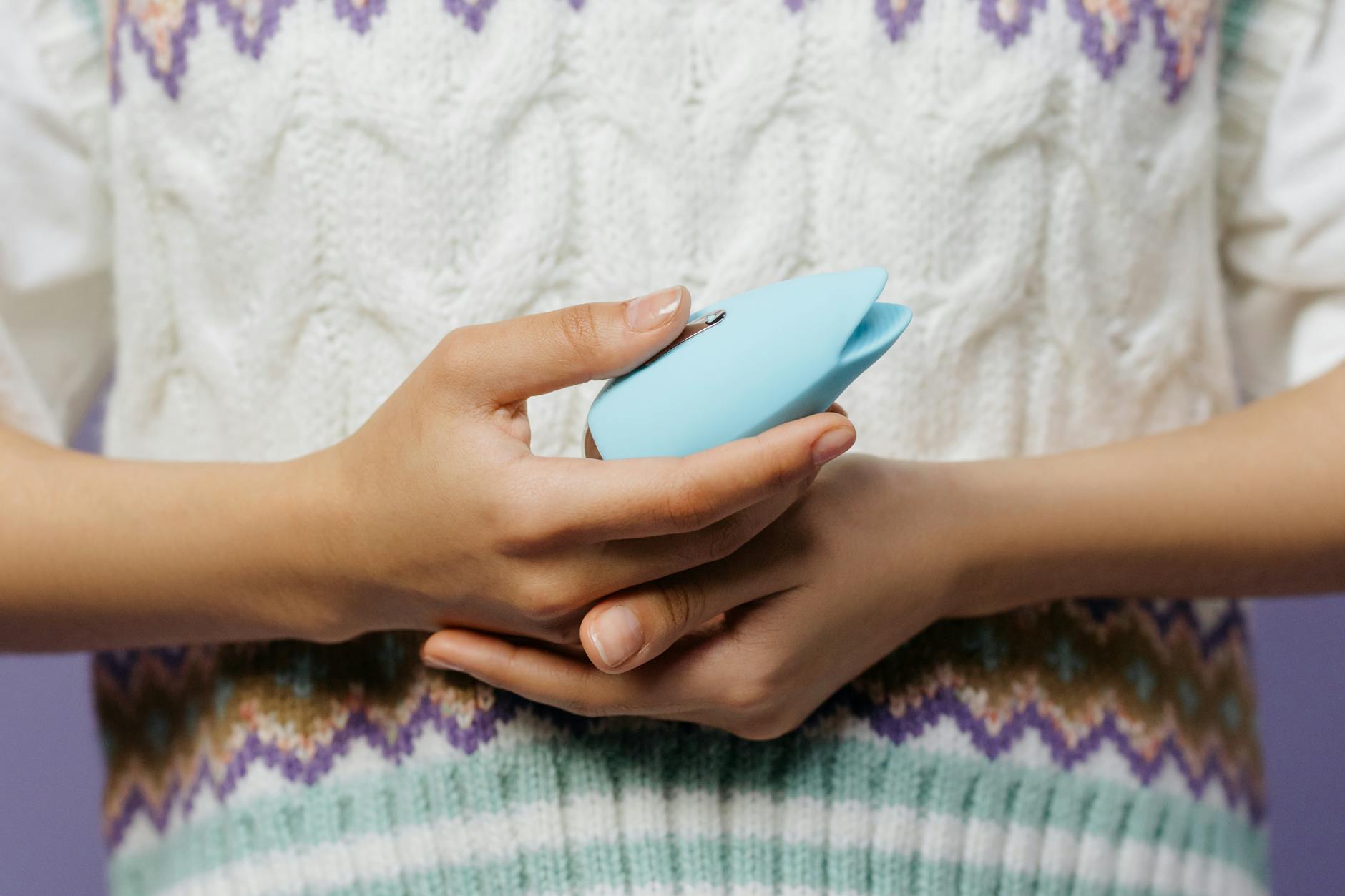
Here's the thing: pain during intercourse usually isn't about desire or attraction or anything emotional. It's mechanical. Your body is changing, your tissues are responding differently to friction and pressure, and penetration might now feel sharp, raw, or burning where it didn't before. A lemon vibrator—specifically a lemon clitoral vibrator like the Lem—bypasses that pain entirely by offering pleasure without the friction that's causing the problem in the first place.
Why pain shows up more as we age
There are a few biological shifts that almost always contribute. Estrogen drops, which thins the vaginal lining and reduces natural lubrication. At the same time, the vaginal tissue becomes less elastic and more fragile. Blood flow to the area decreases, which means healing takes longer if there's any micro-tearing. For a lot of people, the pelvic floor also gets tighter and less responsive, which means tension builds during penetration instead of relaxing through it.
Then there's the psychological layer. If penetration has been painful for months or years, your brain learns to tense up in anticipation. Anxiety tightens the pelvic floor even more. You end up in a cycle where the tension itself creates pain, whether or not there's a physical reason for it.
Here's what's important: none of this means you're broken. Your body isn't malfunctioning. It's changing, and you get to respond to that change by exploring something different.
Why lemon vibrators change the equation
A lemon sucker toy works through suction and gentle pulsing instead of friction or direct vibration. That matters because it stimulates the external clitoris—which has thousands of nerve endings—without any of the pressure or rubbing that's been causing pain during penetration.
When you use a lemon adult toy instead of, or alongside, penetration, you're essentially removing friction from the pleasure equation altogether. You get stimulation, you get sensation, you get orgasms. You don't get pain.
The Lem and other lemon sexual toys also tend to feel better than traditional vibrators for this situation because the suction sensation is different enough from penetration that your brain doesn't expect pain. There's no psychological bracing. Your pelvic floor has a better chance of staying relaxed.
The physical setup that makes a difference
If you're using a lemon clitoral vibrator when penetration has been painful, a few small changes in how you approach it matter:
Start with external stimulation only. Spend time with the Lem or another lemon vibrator on your own or with a partner, building arousal without any penetration happening. This teaches your nervous system that pleasure is available without pain. It rewires the expectation.
Use lubrication generously. Even though you're not doing penetration, if you eventually want to try it again, a water-based lubricant makes an enormous difference. It reduces friction and gives your tissues room to stretch gradually.
Explore different intensities and patterns. Most lemon vibrators have multiple settings. Start low and experiment with what feels good, not intense. You're teaching your body that sensation can feel amazing without being rough.
Set a timer. Give yourself 15-20 minutes without pressure to finish. When you're not racing toward orgasm, your pelvic floor stays relaxed and the whole experience is different.
When penetration might still be part of your experience
Some couples want to continue penetrative sex even when it's been painful. That's completely valid. A lemon vibrator doesn't have to replace penetration. It can work alongside it.
You could use the Lem during foreplay to build arousal without the physical demand of penetration. Or you could use it during penetration itself, with a partner entering slowly while the vibrator handles clitoral stimulation. This takes pressure off penetration to do all the work and spreads sensation across different areas.
If penetration still causes pain, stop. Use only the lemon clitoral vibrator. There's no prize for pushing through discomfort. Your pleasure is the goal, and pleasure doesn't require penetration.
The emotional conversation that matters more than the tool
If you're in a relationship, the shift from penetration to other kinds of stimulation sometimes needs a conversation first. I've worked with a lot of couples where pain during sex created shame—the partner with the pain feels broken, and the other partner feels rejected or responsible.
Here's what actually helps: separating the medical issue from the intimacy issue. Your pain isn't about your partner or your desire. It's about tissue changes and friction. A lemon vibrator isn't a consolation prize. It's a tool that works better for your body right now.
Most partners find that exploring new ways to connect—using a lemon sexual toy together, taking penetration off the table, focusing on mutual pleasure instead of a specific script—actually deepens the experience. You're paying attention to what feels good instead of just going through the motions.
When to see a doctor
Before you assume pain during intercourse is just aging, have it checked out. Sharp pain, burning, or pain that's localized to one spot can sometimes indicate vulvovaginal atrophy (genitourinary syndrome of menopause), a yeast infection, or other treatable conditions.
A gynaecologist can prescribe topical estrogen cream, which often helps within a few weeks. Some doctors also recommend vaginal moisturizers for ongoing use. These aren't band-aids. They actually change your tissue health. Once you've addressed any underlying issue, a lemon vibrator becomes the cherry on top, not the only option.
If you have vaginismus—involuntary tightening of the pelvic floor—a pelvic floor physical therapist can teach you how to relax those muscles intentionally. That's a skill. It takes practice, but it works. A lemon clitoral vibrator pairs well with this work because you can use it while learning to keep your pelvic floor relaxed.
The real shift that happens
Here's what I've noticed after years of working with couples navigating this: when pain goes away, desire often comes back. Not because the pain was causing low desire, but because pleasure is finally available again without a price tag.
Using a lemon vibrator at this stage of life isn't settling. For a lot of people, it's the first time they've had pleasure without discomfort in years. That changes the experience. You start wanting sex again because it actually feels good.
People also ask
Can I use a lemon clitoral vibrator if I still want to try penetration?
Yes. You can use a lemon vibrator during foreplay to build arousal, or during penetration to handle clitoral stimulation while penetration happens at a slower, less pressured pace. Some couples find this takes the pressure off penetration to do all the work and makes the whole experience less painful. Start slow, use plenty of lubricant, and stop if pain appears.
Will a lemon sucker toy make penetration less appealing over time?
Not really. What actually tends to happen is the opposite. When you discover that pleasure without pain is possible, you often become more interested in sex overall. You might find you want penetration less frequently or in different ways, but that's usually because you've found something that works better for your body right now—not because you've lost interest.
How long does it usually take for pain during sex to improve?
It depends on the cause. If it's estrogen-related tissue thinning, topical estrogen cream can help within 2-4 weeks. If it's pelvic floor tension, working with a physical therapist usually takes 8-12 weeks of consistent practice. If it's psychological—you're bracing for pain because it hurt before—that often shifts as soon as you have a few good experiences with a lemon clitoral vibrator. Give yourself at least a month of regular, pain-free pleasure before you assess what's changed.
Is using a lemon vibrator a sign that my relationship is in trouble?
No. It's the opposite. Couples who are willing to explore together, to try new things, and to prioritize each other's pleasure are usually the ones with strong foundations. Using a lemon sexual toy is a conversation starter, not a red flag. If your partner resists or shames you for wanting to try something that feels good, that's worth examining—but the tool itself is neutral and healthy.
What if my partner is the one experiencing pain during sex?
Be curious instead of reactive. Pain isn't a rejection of you. Suggest seeing a doctor first to rule out anything medical. Then, if they're open to it, introduce the idea of exploring pleasure without penetration for a while. A lemon vibrator can be something you use together. Let them lead on what feels good. Your job is to show up and pay attention.
Do I need to use lube with a lemon clitoral vibrator?
No, not necessarily. Lemon vibrators work through suction and gentle pulsing, so they don't rely on lubrication the way penetration does. That said, a tiny bit of lubricant can help the seal feel even better and make the sensation more comfortable. Use it if you want to, but it's optional.