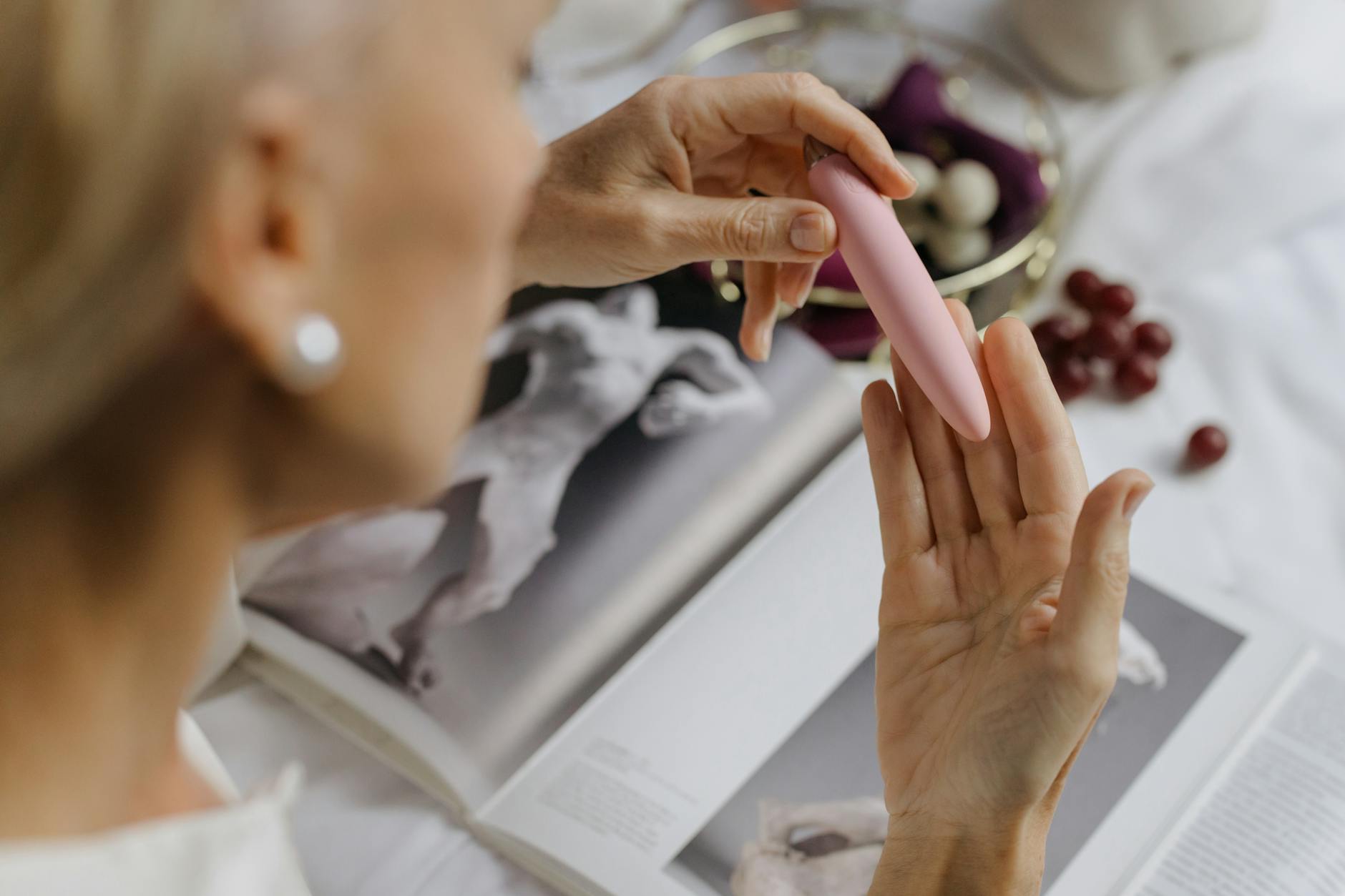
How to Use a Lemon Vibrator When Estrogen Shifts Change Clitoral Sensitivity
Let's be real: estrogen fluctuations mess with sensation. Your clitoris depends on estrogen to maintain tissue thickness, blood flow, and nerve sensitivity. When estrogen drops or shifts, that tissue thins out. Arousal takes longer. Sensation feels duller. The intensity that used to arrive in minutes now takes 20.
This isn't weakness. It's biology. And it's fixable.
The reason a lemon vibrator works differently than a traditional vibrator in this scenario is the mechanism itself. Lemon clitoral vibrators use air-pulse suction technology instead of direct vibration. This matters hugely when your tissues are thinner and your nerve endings need gentler stimulation to wake up.
How Estrogen Actually Changes Clitoral Sensation
Your clitoris is packed with nerve endings. Estrogen keeps the tissue around those nerves plump, elastic, and responsive. When estrogen drops, that tissue loses water and collagen. The surface becomes more delicate. Direct friction that used to feel amazing now feels uncomfortable or too intense.
At the same time, blood flow to the clitoris slows slightly. Arousal is fundamentally a blood flow story. Less blood means slower engorgement, which means sensation builds more gradually.
Third: the nerve endings themselves don't vanish. They're still there. They're just waiting for the right type of stimulation to activate. This is where suction changes everything.
A lemon vibrator uses gentle rhythmic suction instead of mechanical vibration. Suction stimulates nerves through pressure and release rather than friction. For sensitive or thinned tissue, this feels like a completely different experience. Clitoral vibrators with traditional vibration can feel abrasive by comparison.
Why Suction Works Better When Sensitivity Shifts
Think of your clitoris like a port city. Traditional vibrators are a jackhammer at the dock. A lemon clitoral vibrator is a careful ship pulling in and out of harbor. Same destination. Completely different approach.
When tissue is thinner, direct friction can create micro-tears or irritation. Suction doesn't. It gently engorges the clitoris with each pulse, then releases. Your nerve endings respond to that pressure change. Pleasure builds gradually instead of arriving all at once, which actually feels more intense because your body has time to layer sensation on top of sensation.
Many people report that their most powerful orgasms come from suction-based stimulation during periods of hormonal change. This isn't a coincidence. Suction forces you to slow down, to pay attention, to let arousal build layer by layer. That attention alone transforms the experience.
How to Start: Positioning and Intensity
First: forget everything you know about traditional vibrators. A lemon vibrator requires a different approach.
When estrogen shifts have made you feel numb, your instinct is to reach for maximum intensity. Don't. Start at pattern 1 or 2 on whatever clitoral vibrator you're using. I know that sounds impossibly gentle. It is. That's the point.
Positioning matters more now than it did before. Your clitoris hasn't moved, but the tissue around it is more sensitive to pressure. Find the angle that feels right. For some people, that's direct contact on the glans. For others, it's slightly to the side, or applying the suction to the hood that covers the clitoris. Move the device around until you find the sweet spot.
Budget 15 to 25 minutes for arousal buildup. This isn't longer than before because something is wrong. It's longer because your body now needs time to remember what pleasure feels like. Use this time to breathe, to touch other parts of your body, to let anticipation build.
The Lubrication Factor
When estrogen drops, natural lubrication drops with it. This is uncomfortable, yes. But it also changes how a lemon vibrator feels. Without adequate lubrication, even gentle suction can feel sticky or tugging.
Use a water-based lubricant generously. Not because you're broken, but because it changes the glide and sensation. Silicone lubes feel richer and last longer, but they can damage silicone toys, so stick with water-based for your lemon clitoral vibrator. Apply it to the device itself, not just your body. Reapply every 5 to 10 minutes if you're having a longer session.
The lubricant also signals to your brain that this is a pleasurable activity. Sensation is partly physical and partly psychological. When your body feels cared for (lubricated, warm, supported), your nervous system relaxes. When your nervous system relaxes, sensation deepens.
Working With Your Pelvic Floor
Estrogen keeps your pelvic floor flexible and responsive. When estrogen shifts, that floor can become tighter, more tense. This creates a catch-22: your pelvic floor is gripping (which feels good in theory), but it's also blocking deeper sensation.
Before you use a lemon vibrator, spend a minute consciously relaxing your pelvic floor. This is the opposite of Kegels. Breathe in and imagine the muscles around your vagina softening, opening, releasing tension. It takes practice, but it completely changes what you can feel.
While using your clitoral vibrator, check in with your pelvic floor every few minutes. If you notice it's tensed up, pause, breathe, and consciously relax it again. This sounds tedious. It isn't. The payoff is sensation that's 10 times more intense because you're not fighting your own body.
How to Layer Sensation
Once you've found your sweet spot with suction, introduce variation. Move the device in small circles. Change the pattern. Pause for 15 seconds and then reapply suction. Vary intensity by 1 or 2 levels instead of jumping to maximum.
Use your other hand. Touch your breasts, your inner thighs, your neck. Pleasure is not a one-track thing. The more signals you're sending your brain, the more sensation compounds.
This is especially true when estrogen shifts have made you feel numb. Your brain needs multiple inputs to feel engaged. A lemon vibrator is part of the picture, not the whole picture.
When to Expect Changes
Sensation usually starts shifting back within 2 to 3 weeks of consistent use, assuming you're using the lemon clitoral vibrator correctly. This doesn't mean you'll suddenly return to exactly how things felt before. You won't. But you'll recognize your pleasure again.
If pain shows up, stop immediately. Pain during or after use is not normal, even during hormonal transitions. That's a signal that something needs to change. It might be technique. It might be a sign that you need to see a doctor who specializes in genitourinary syndrome of menopause (a real, treatable condition). Don't power through.
If you've been using a lemon vibrator correctly for 4 to 6 weeks and sensation still feels muted, talk to your doctor or a gynecologist who understands hormonal changes. Topical estrogen treatments exist and they work. There's no medal for suffering through this alone.
Partnered Use During Sensitivity Shifts
If you're using a lemon vibrator with a partner, set expectations first. "My sensitivity is shifting right now. That means we're going to explore together, and it might take longer, and that's fine." Your partner's job isn't to "fix" you. It's to be curious alongside you.
Try using the clitoral vibrator while your partner touches you elsewhere. Try using it while they're inside you. Try using it solo while they watch. The variation matters more now because it keeps your nervous system engaged and interested.
Many couples find that working through hormonal shifts together actually deepens their connection. You're learning each other's bodies in a new way. You're communicating more. You're prioritizing pleasure over performance. That's genuinely intimate.
The Role of Mental Space
Here's what no one talks about: when estrogen shifts, your brain chemistry shifts too. Serotonin dips. Dopamine becomes less stable. This makes it harder to relax into pleasure because your nervous system is already a little on edge.
Creating good mental space before you use a lemon vibrator matters as much as the device itself. This means minimizing distractions. It means giving yourself permission to take 20 minutes for yourself. It means not checking your phone. It means telling your brain that this is important.
Some people find that breathwork helps. Others find that playing music or lighting a candle signals to their brain that pleasure is the plan. You'll find your own ritual. The ritual is part of what makes sensation possible.
FAQ: Estrogen Changes and Clitoral Sensitivity
Why does my clitoris feel numb when estrogen shifts?
Estrogen maintains tissue thickness and elasticity in your clitoris. When it drops or fluctuates, that tissue thins slightly, reducing natural lubrication and the sensitivity of nerve endings. Your clitoris isn't broken. The tissue just needs different stimulation to wake up. A lemon vibrator's suction approach works better than traditional vibration for this reason.
Can a lemon vibrator permanently fix sensitivity loss from estrogen changes?
A lemon clitoral vibrator can help you experience pleasure again during estrogen shifts, but it's not a permanent fix for the underlying hormonal change. However, the more you use it and the more you engage with pleasure, the more your nervous system adapts and the easier arousal becomes. Topical estrogen treatments, if appropriate for you, address the tissue itself.
How long does it take to feel normal again with a lemon vibrator?
Most people notice improved sensation within 2 to 3 weeks of consistent use with proper technique. "Normal" may not look like it did before, but it will feel like pleasure again. If you're not noticing changes after 6 weeks, check your technique or talk to a doctor.
Is it normal for my clitoris to feel sore after using a lemon vibrator during estrogen shifts?
Mild tenderness can happen if you're using too much intensity too fast. Dial it back. If soreness persists or if you experience pain, stop and see a healthcare provider. Tissue that's thinned by estrogen changes is more vulnerable to irritation.
Can I use a lemon vibrator if I'm on hormone therapy?
Yes. Hormone therapy and a lemon clitoral vibrator work well together. Hormone therapy addresses your body's estrogen levels; the vibrator helps you reconnect with sensation and pleasure while those levels stabilize. You might notice that you need less intense stimulation after a few months on hormone therapy.
Does the suction approach of a lemon vibrator really feel that different from traditional vibration?
Most people describe it as dramatically different, especially during hormonal shifts. Suction feels more rhythmic and less mechanical. It engages sensation through pressure change rather than friction. For thinner or more sensitive tissue, this is usually much more comfortable and actually more intense.
When estrogen shifts change how your body responds, the answer isn't to push harder or give up. It's to learn a new language with your pleasure. A lemon vibrator is a tool for that conversation. You deserve to feel sensation again. You deserve to orgasm. Those things don't disappear when your hormones shift. They just need a different approach.
If you're struggling with pleasure during hormonal transitions and want to explore what might help, we're here. Reach out to contact us to chat about what you're experiencing.