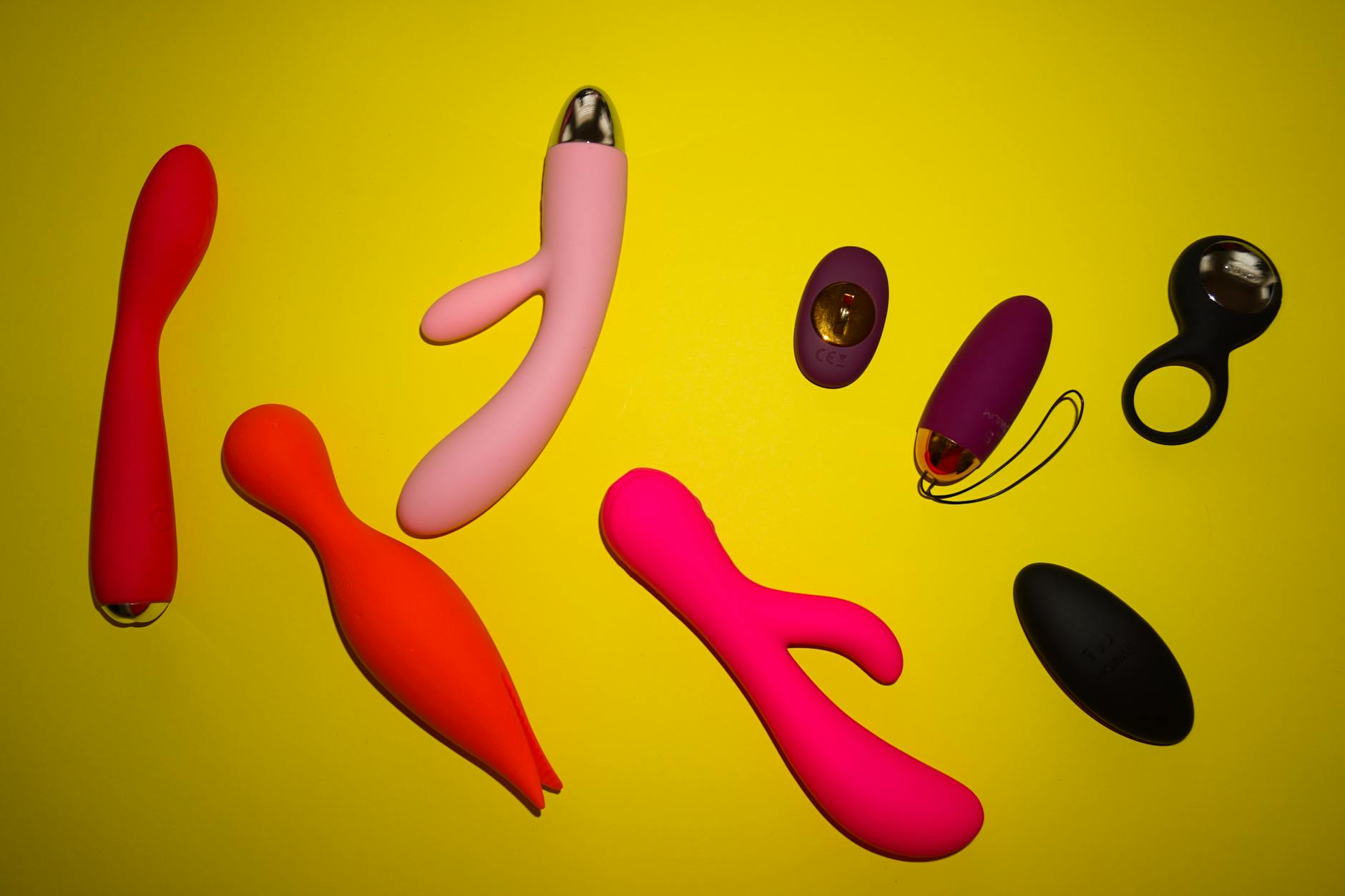
Anxiety doesn't kill your capacity for pleasure. It just hides it.
Let's be real. When your nervous system is stuck in fight-or-flight mode, your body essentially locks down. Blood flow redirects away from the genitals and toward your limbs. Your vaginal tissues don't lubricate. Your clitoris doesn't swell. Your brain can't focus on sensation because it's busy scanning for threats. Arousal isn't possible when you're running a background process of dread.
But here's the part nobody tells you: lemon clitoral vibrators work differently than regular vibrators in this exact scenario. The air-suction mechanism doesn't depend on your autonomic nervous system cooperating the way friction-based stimulation does. It can actually help reset your system back toward parasympathetic (rest-and-pleasure) mode, even if you're starting from a place of significant anxiety.
What anxiety actually does to your body
When chronic stress or situational anxiety runs high, your sympathetic nervous system dominates. This means:
Your pelvic floor tightens. Tension in the pelvic floor prevents arousal signals from registering. It's like trying to hear music while someone's holding you in a headlock.
Vasoconstriction reduces blood flow to genital tissue. Without adequate blood flow, the clitoris doesn't engorge, the vagina doesn't lengthen, and sensation feels muted or completely absent.
Your prefrontal cortex (the thinking brain) takes a back seat. The amygdala runs the show, scanning for danger. You can't get aroused when your brain is in threat-assessment mode, no matter how much you want to.
Cortisol and adrenaline spike. These stress hormones actively work against the neurotransmitters you need for pleasure: dopamine, serotonin, and oxytocin get suppressed.
The thing is, this is all physiological. It's not a reflection of your desire or your capacity. You're not broken. Your system is just protecting you the only way it knows how.
Why lemon vibrators break through the anxiety block
Traditional vibrators rely on friction and direct pressure. That works fine when your tissues are already engorged and blood flow is present. When anxiety has shut you down, friction often feels uncomfortable, numbing, or even painful. Your nervous system is already in defensive mode. More pressure can deepen that state.
Lemon clitoral vibrators use air-suction stimulation. This works at a different level. Instead of requiring tissue engagement and blood flow to initiate, suction actually pulls blood into the clitoris, which can help bypass the initial arousal block. The sensation is also less intense and more diffuse than vibration. Your anxious nervous system doesn't perceive suction the same way it perceives friction. It's less jarring, less aggressive. It feels almost soothing if you approach it right.
Second, the sensory experience of air-suction is novel in a way that can interrupt the anxiety loop. Your brain gets pulled into novelty and curiosity. That's a subtle shift, but it's a shift away from threat-scanning and toward exploration.
The setup that actually matters
Using a lemon vibrator when anxiety is high requires a different approach than using it during normal arousal. Here's what changes.
Start with your nervous system, not your genitals. Spend 10 to 15 minutes on grounding before you even touch the vibrator. That might look like cold water on your face, a body scan where you notice where you're holding tension, or deliberate slow breathing (4 counts in, 6 counts out). The goal is to signal safety to your nervous system before you ask it to shift into pleasure mode.
Set the environment for permission. If anxiety is present, it usually means you're monitoring something. A partner's mood. A deadline. A worry. Remove what you can. Tell your partner you need uninterrupted time. Put your phone in another room. Set a timer so you don't have to wonder how long you've been going. Permission is permission.
Start with the lowest setting. On a lemon vibrator like the Lem, that's pattern one. At this intensity, you're barely feeling suction. You're just getting your nervous system accustomed to the sensation. Stay here for 3 to 5 minutes even if nothing is happening. You're building a new neural pathway that says "this is safe."
Use water-based lubricant generously. Anxiety often means you're not producing natural lubrication. That's not a signal to stop. It's a signal to add external lubrication. This removes friction, makes the sensation gentler, and lets the air-suction work more effectively.
The progression that actually works
Once your system is grounded and you've started at the lowest setting, here's how to build from there.
Stay at pattern one for 3 to 5 minutes. Notice if anything shifts. Pleasure isn't the only win here. Feeling less numb is a win. Noticing sensation at all is a win. Your body might need multiple sessions before arousal appears. That's completely normal when anxiety is involved.
If sensation feels okay at pattern one, move to pattern two. Spend another 3 to 5 minutes here. This is deliberate slowness. You're not trying to achieve anything. You're gathering data about what your body can feel.
When you move to higher patterns, move slowly. Skip a pattern if you need to. There's no timeline here. If you hit a pattern that feels too intense, go back down. Your body will tell you what it needs. Listen to it.
If you find yourself tensing the pelvic floor, pause. Do three deep breaths. Consciously relax the muscles around your vaginal opening. You might need to take your hand off the vibrator and just breathe for a minute. That's not failure. That's your nervous system telling you it needs a reset.
If pleasure doesn't arrive in a 15 to 20 minute session, that's okay. Stop. Do something grounding afterward: get water, lie down, move your body gently. Come back tomorrow or in a few days. Consistency matters more than intensity when you're working with anxiety.
The emotional layer
Here's what I see most often: someone with anxiety uses a lemon vibrator for the first time and expects it to work immediately. When it doesn't, they think the vibrator failed or their body failed. Neither is true.
Anxiety isn't just a feeling. It's a protective pattern. Your nervous system learned that staying alert keeps you safe. Using a clitoral vibrator when you're anxious is essentially asking your system to trust that it can relax. That takes time. That takes repetition. That takes permission from inside yourself, not just from your schedule.
If you find yourself criticizing the experience while it's happening ("This isn't working," "I should be feeling more," "What's wrong with me"), pause and notice that. That inner critic is part of the anxiety pattern. See if you can get curious instead. "What am I actually feeling right now?" That small shift in perspective can unlock something.
Many people find that their most successful sessions happen when they stop trying so hard to achieve arousal and just let themselves be with the sensations that are present. That's the opposite of what anxiety teaches us to do. Anxiety says: push harder, try more, force it. Pleasure says: soften, notice, allow.
When to bring your partner in
If you're in a relationship and anxiety is affecting your shared sex life, using a lemon vibrator solo first matters. You need to rebuild your own relationship with arousal before adding another person's nervous system into the room.
Once you've found sensations that work, you might invite your partner to be present without pressure. That might mean they're in the same room reading while you use the vibrator. Or they're holding you while you explore. Or they're just knowing that you're taking care of yourself. The presence without expectation can be grounding.
When you're ready to share the vibrator, the same rules apply: slowness, permission, no goal. If your partner is used to penetrative sex or faster stimulation, they might need to adjust their expectations. A lemon vibrator session when you're managing anxiety is inherently slower and more meditative. That's not a limitation. That's the point.
The longer-term shift
Something shifts when you use a clitoral vibrator consistently while managing anxiety. Your nervous system starts to build a new association. Arousal becomes linked to safety instead of threat. The pathway between relaxation and pleasure strengthens.
You might notice that anxiety takes longer to shut down your sexuality. You might notice that you can access pleasure even when stress is present. You might notice that your baseline anxiety decreases, partly because you're giving your body regular permission to rest in pleasure mode.
This isn't magical. It's neuroscience. Repeated experience of safety in a particular context literally rewires your neural pathways. A lemon vibrator isn't the intervention. Consistent, gentle, self-directed pleasure is. The vibrator is just the tool that makes it possible.
If anxiety is severe enough that nothing helps, talking to a therapist matters too. Cognitive behavioral therapy and somatic therapy are particularly effective for anxiety that's interfering with arousal. A vibrator is a powerful tool, but it works best alongside other support if the anxiety is significant.
FAQs
Can a lemon vibrator actually help with anxiety-related arousal problems?
Yes, but not immediately and not through willpower. A lemon clitoral vibrator works partly because the air-suction sensation is gentler and less jarring than friction-based vibration, which means your anxious nervous system is more likely to tolerate it. The real work is consistency and permission. When you use the vibrator regularly in a grounded, low-pressure way, your nervous system gradually learns that pleasure is safe. That's where the shift happens.
How long does it take to feel results?
It depends on how long anxiety has been blocking your arousal. Some people notice a shift in a single session. Others need 5 to 10 sessions before sensation really opens up. The key is not to expect a timeline. You're retraining your nervous system, not fixing a broken machine. Expect weeks, not days.
What if the vibrator makes my anxiety worse?
That can happen if you're using it too intensely or without enough preparation. Go back to the basics: longer grounding time, lowest setting, and shorter sessions. If the vibrator itself triggers anxiety (some people find the sensation triggering no matter what), that's useful information. You might need to work with a somatic therapist on the underlying anxiety before the vibrator will feel safe. That's not failure. That's learning what your system needs.
Should I tell my partner I'm using a lemon vibrator to manage anxiety?
That depends on your relationship and what feels right to you. If you're in a monogamous partnership, many couples find that honesty strengthens things. You're not hiding. You're managing your own health. But the choice is yours. Solo exploration can be deeply grounding even in a partnership.
Can I use a lemon vibrator while I'm also in therapy for anxiety?
Absolutely. In fact, they complement each other well. Therapy addresses the roots of your anxiety. The vibrator gives your body a concrete experience of safety and pleasure. Let your therapist know what you're doing. They might have insights about how to integrate the two.
What if my anxiety is related to trauma?
Then you need a trauma-informed approach. That might mean working with a somatic or sex-positive therapist before using any vibrator. Some trauma survivors find air-suction sensation safer than friction because it feels less invasive, but this is really individual. Don't assume. Get support from someone who understands trauma and sexuality before you self-experiment.
Your next step
If anxiety has been blocking your pleasure, a lemon vibrator can be part of how you reclaim it. But the vibrator is just a tool. The real work is permission, patience, and a willingness to slow down. Start with grounding. Start at the lowest setting. Start with the belief that your body knows how to feel pleasure. It just needs time and safety to remember.
If you want to talk through what this might look like for your specific situation, reach out. That's what we're here for.