You've cleared the major surgery. Your doctor said you're healing well. But somewhere between "you're good to go back to normal activities" and actually feeling ready, there's a gap. That gap is where most people get stuck. Nobody talks about it because it's not medical enough for your surgeon and too medical for your friends.
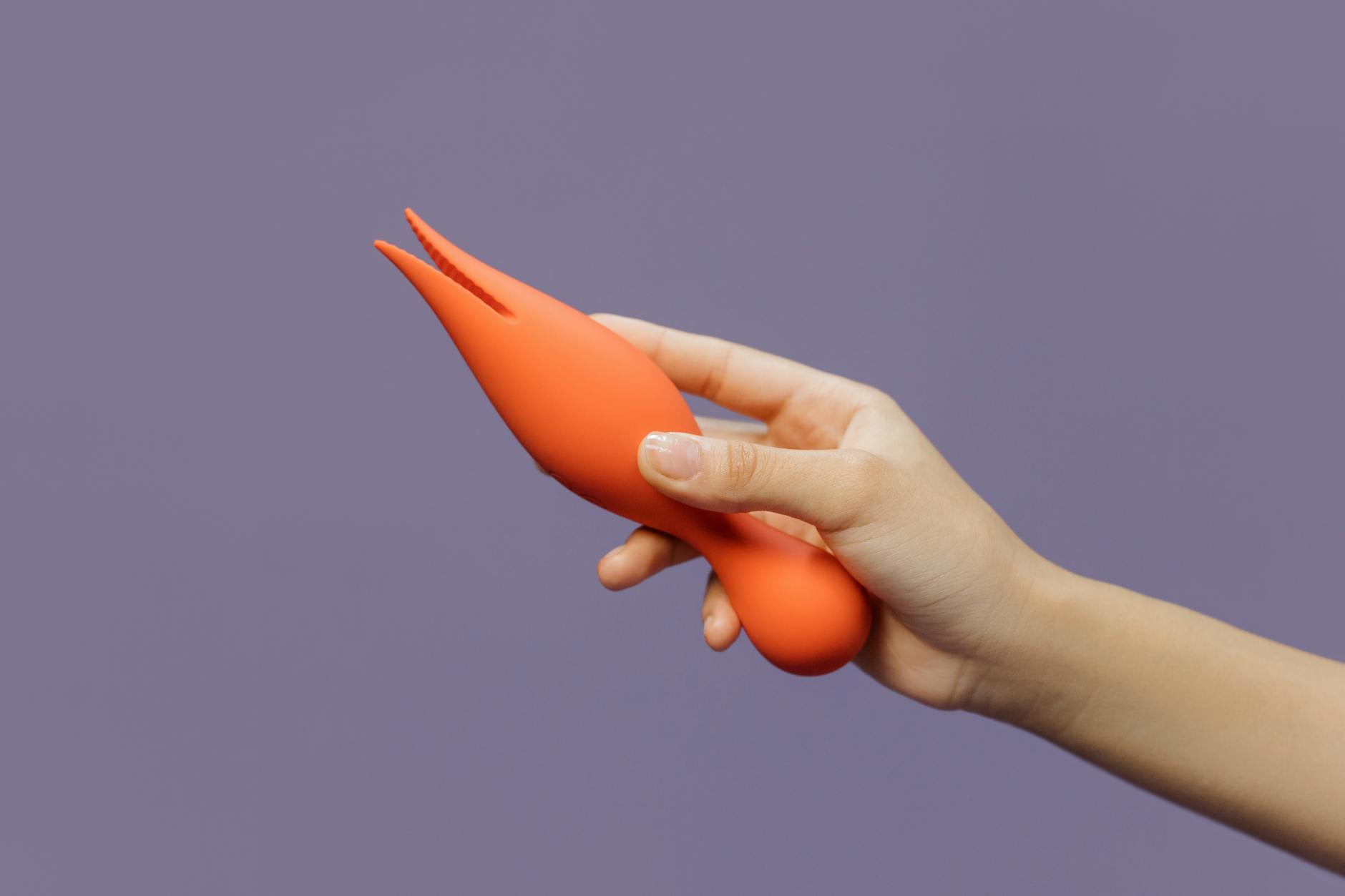
I work with couples navigating this exact space. The ones who handle it best aren't the ones pretending everything's fine immediately. They're the ones honest about what their body can and can't do right now, and how to rebuild pleasure slowly. Using a device like a lemon clitoral vibrator during recovery is absolutely possible. It's just not the same as before, and that's the information you actually need.
Different surgeries mean different timelines. Abdominal surgery (including a hysterectomy, c-section, or fibroid removal) needs more healing time before internal pressure returns. Pelvic floor work, vulvar procedures, or endometriosis excision affect sensitivity differently. And gynecological surgery in particular involves tissue that's doing double duty: healing the surgical site while also managing sensation, arousal, and orgasm.
Your surgical team probably gave you a general timeline for penetrative sex (usually 4-6 weeks post-op, sometimes longer). But that's a floor, not a ceiling. And it's a different thing entirely from using an external clitoral vibrator like the Lem.
What matters: the suction-based stimulation of a lemon vibrator works on nerves, not internal tissue. That's actually why it can be gentler post-surgery than you'd expect. But "gentler" doesn't mean "immediately." Timing and touch are everything.
I'm going to be direct. Don't use any device in the first 14 days post-op. Your body is actively bleeding and sealing itself. Even external stimulation increases blood flow to the pelvic area, which can slow healing. This isn't negotiable or worth testing. Two weeks is not forever.
Instead, this is when touch matters most. If you have a partner, this is the time for hand-holding, non-sexual massage on areas away from the surgical site, kissing, and whatever affection feels good without agenda. For solo exploration, focus on erogenous zones that have nothing to do with your pelvis. Your chest, neck, inner arms, ears, hands. Most people skip this step because it feels like forever, but honestly, reconnecting with sensation outside your genitals is its own kind of pleasure.
The work you're doing here is psychological as much as physical. You're reminding yourself that your body is still capable of feeling good. That's not small.
Around week three (and only if your doctor cleared you), you can start very gentle exploration. This is where a lemon vibrator's design actually shines. The suction mechanism is gentler than traditional vibration because it pulls rather than hammers. But gentler is relative.
Start with your device turned completely off. Yes, really. Put it against your outer labia, not directly on your clitoris. Just rest it there. Let your body remember what that sensation feels like. Your sensitivity might be different right now. Some people report everything feels muted. Others feel heightened. Both are normal.
When you're ready to turn it on, start at the lowest setting (usually level 1 on a lemon clitoral vibrator). Keep sessions short. Five to ten minutes maximum. You're not aiming for orgasm. You're checking in: does this feel safe? Does it feel good? Is there any cramping, sharp pain, or unusual discharge afterward? Those are your stop signals.
If everything feels normal after the session, that's useful information. You can repeat it over a few days. Build frequency slowly.
By week five, if you've had no pain, cramping, or complications during light touch, you can start exploring higher settings on your lemon vibrator. But "can" doesn't mean "should right now."
The temptation at this stage is to test your limits immediately. You've been waiting. You're probably frustrated. But your pelvic floor is still tighter than usual, your tissues are still tender, and orgasm itself creates muscular contractions that can strain the healing site.
So build incrementally. Spend a few sessions at level 2. Then level 3. Notice if arousal builds differently than it used to. You might need 30 minutes to reach the same place that used to take 15. That's normal. Scar tissue, swelling, and nerve sensitivity all affect the timeline.
If orgasm happens, it might feel different. Shallower, more diffuse, or weirdly intense. All of these things settle over time as the surgical site finishes healing. Don't panic.
Around six weeks (and truly, your body may need eight or even twelve weeks), most surgical sites are stable enough for full sensation and full orgasm. But "stable" doesn't mean "back to baseline."
When you return to your normal clitoral vibrator routine, your body might surprise you. Some people find that the break reset their sensitivity. Pleasure feels new. Others notice scar tissue adhesion can make one side feel different from the other. A lemon vibrator's targeted suction can actually help here, because you can adjust positioning if one area feels slightly tender.
The biggest mistake people make is assuming that once they're cleared for penetration, they're cleared for everything. You're not. Intensity, duration, and frequency all need to rebuild. Just like training after a broken leg, even though nothing is broken here.
If you have a partner, this is where things get tricky emotionally. The gap between "doctor said you're healed" and "you actually feel ready" is often where resentment quietly builds. Your partner might feel rejected. You might feel pressured. Neither of those feelings is wrong, but they're usually rooted in not being explicit about what's actually happening.
Here's what helps: separate the conversation into three lanes. Medical clearance (your doctor's timeline). Physical comfort (your body's timeline, which is different). And emotional readiness (whether you want to). How to Use a Lemon Clitoral Vibrator With Your Partner explores this in depth, but the shorthand is this: it's okay to say "my doctor cleared me, but I'm not ready yet." That's not rejection of your partner. That's honesty about your body.
Some things are normal post-surgery. Some things aren't. If any of these happen during or after using your lemon vibrator, stop and contact your doctor:
Severe sharp pain (cramping is different from sharp). Significant bleeding or bright-red discharge. Fever or signs of infection. Numbness that increases over days instead of improving. Discharge that smells foul. Severe emotional distress after attempting pleasure (some post-surgical depression is real and medical).
These aren't common, but they exist. Your job is to notice them and report them.
One thing I see repeatedly in post-surgical recovery is people interpreting their body's caution as punishment. "My body won't let me orgasm like I used to" becomes "my body is broken." It's not. Your body is still recovering. There's a difference.
This is also where solo pleasure with your lemon clitoral vibrator matters. When you're alone, you're not navigating anyone else's timeline or expectations. You can explore at exactly the pace that feels safe. And that permission is actually powerful for rebuilding confidence in your body.
Your doctor can give you a medical timeline. But your body writes the actual schedule. Listening to it isn't weakness. It's the fastest way back.
No. Wait at least two weeks. Your surgical site is still bleeding and healing. Even external stimulation increases blood flow, which can delay recovery. Use that time for non-sexual touch instead.
Yes, eventually. A c-section is abdominal surgery, not pelvic surgery, so the timeline is slightly different. Wait at least 4-6 weeks before using any vibrator, and start very gently. The incision itself is not in the genital area, but your pelvic floor is still affected by the trauma of surgery.
Absolutely. Your sensitivity will be different, your arousal timeline will be different, and your body's response to stimulation might feel muted or heightened. That's normal. It will settle as you heal. Don't interpret difference as damage.
Cramping that feels like mild pressure or discomfort and fades within an hour is usually normal. Sharp pain, severe cramping, or cramping that worsens over hours is not. Stop and contact your doctor. The difference is the intensity and duration.
Yes, but it might not happen the way it used to, and that's okay. Orgasm itself creates muscular contractions. If your pelvic floor is still tight from surgery, that might feel different or take longer to build. Let your body lead. It will improve.
If your doctor gave you explicit restrictions on any sexual activity (including solo), yes. But most doctors don't ask and don't need to know the specific details. What matters is: are you having any bleeding, pain, or complications? If you're not, your recovery is progressing normally, and the device you're using doesn't change that.
Recovery isn't linear, and it's not the same for everyone. You're not behind if it takes longer than you expected. You're exactly where you're supposed to be. Your body knows what it's doing. The hard part is trusting it while you wait. If you have questions about your specific recovery timeline or concerns, reach out to your surgical team or contact Hello Nancy for guidance tailored to your situation.