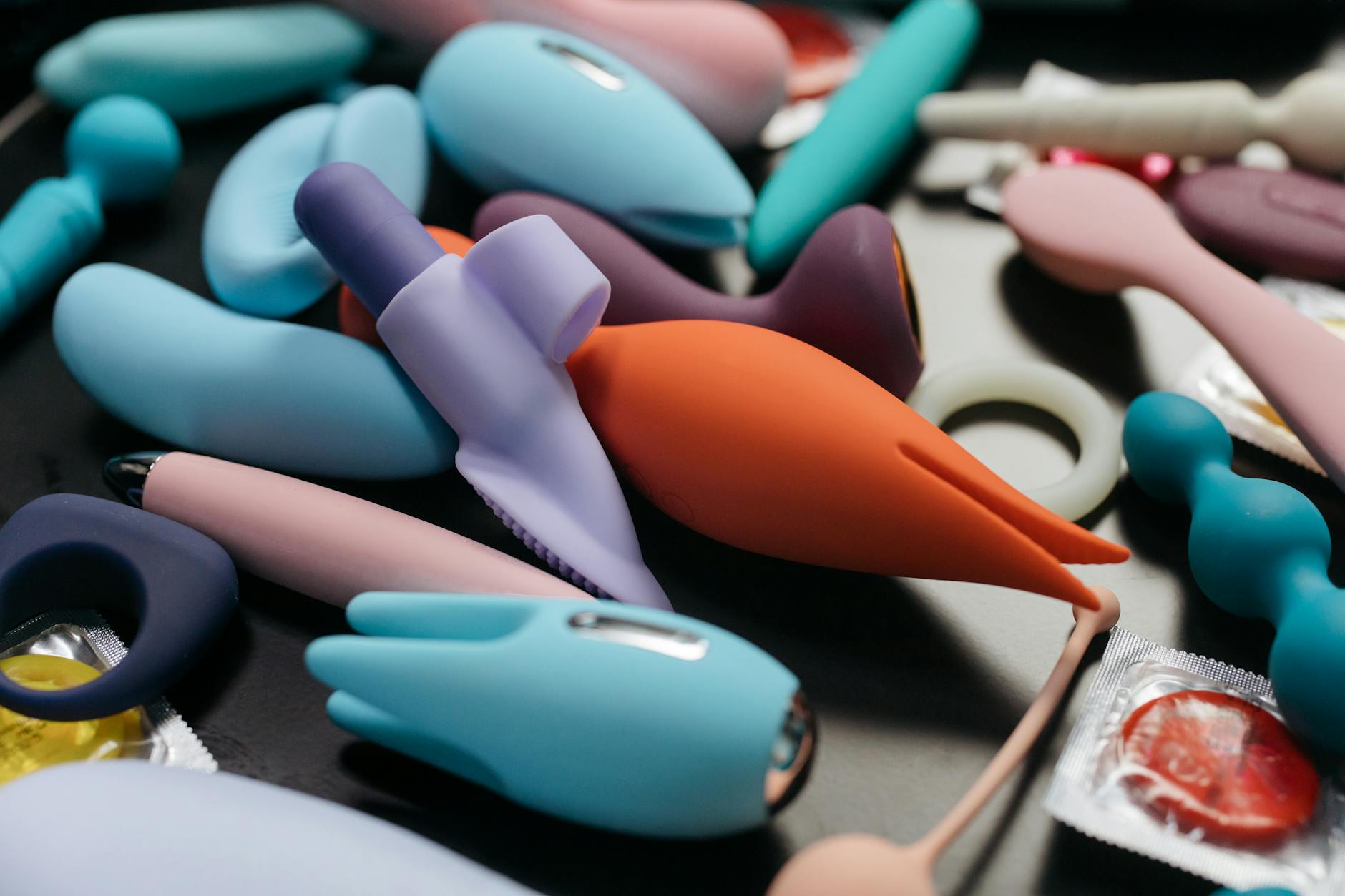
When numbness starts to lift, everything changes
There's a weird disorienting moment when sensation begins returning after you've spent months or years feeling almost nothing. It can happen after certain medications, hormone shifts, or just from years of disconnection from your body. When it starts to come back, the instinct is to go hard and fast. That's the wrong move. When sensation is newly returned or fragile, you need a completely different strategy.
I've worked with so many people rebuilding intimacy after periods of numbness, and the ones who succeed are those who treat the return of sensation like the delicate thing it is. That means slowing down. It means choosing your tools carefully. And it means understanding that a lemon clitoral vibrator, specifically, is built differently than traditional vibrators in ways that matter when you're in this particular recovery phase.
Why numbness happens, and why sensation returning is real
Numbness isn't all in your head. It's a body thing. Antidepressants can numb sensation. Hormonal fluctuations do it. Stress, grief, disconnection from a partner, years of rushed or obligatory sex. Sometimes it's physical nerve compression. Sometimes it's purely psychological. The "why" matters for treating it long-term, but right now, what matters is that something has shifted. Feeling is starting to come back. That's actually evidence that your nervous system is healing.
The challenge is that newly returned sensation is tender. It's like skin that's been in a cast for six months. When that cast comes off, you don't immediately go for a run. You reintroduce movement slowly. Same concept here.
The air-suction difference when sensation is fragile
Traditional vibrators work by oscillating against your skin at varying speeds and intensities. The faster and harder they go, the more stimulation they create. That's fine when your nervous system is firing on all cylinders. When sensation is newly returned, direct friction can feel overwhelming, overstimulating, or weirdly numb again.
Lemon vibrators like the Lem use air-suction technology instead. This means gentle pulsing waves that stimulate nerve endings without the same mechanical pressure and friction. It's a completely different sensation. For someone reawakening to pleasure, this matters enormously. The suction mimics what your body actually responds to naturally, without forcing intensity you're not ready for.
Think of it this way. A traditional vibrator is like someone tapping you repeatedly, faster and faster. An air-suction lemon vibrator is like someone gently cupping and releasing. One builds intensity through repetition. The other builds it through pressure waves. When your sensation is fresh and sensitive, those waves feel good instead of overwhelming.
How to reintroduce your body to sensation safely
Start with the lowest intensity setting. Not "low." The lowest. On the Lem, that's pattern 1 or 2. If you've been numb for a long time, even that might feel strong at first. That's okay. That means your nervous system is waking up.
Plan for 10 to 15 minutes your first few times, not 30. The goal isn't orgasm yet. The goal is information gathering. You're relearning what pleasure feels like. Your body needs time to process that without pressure to perform.
Apply lube. This isn't about anything being broken. It's about comfort. Water-based lube on the Lem creates a gentle seal that makes the suction sensation feel smoother and less intense initially. This matters when you're coming back from numbness.
Take breaks between sessions. If you used it Tuesday, skip Wednesday. Your nervous system needs time to integrate the sensation. You're not trying to desensitize yourself further. You're doing the opposite. You're carefully waking up nerve endings that have been sleeping.
The emotional layer that nobody talks about
Here's what I see clinically that doesn't get talked about enough. When numbness lifts, sometimes the emotions underneath show up first. Relief. Then grief over the time you lost. Then frustration that it doesn't feel exactly like you remember. Then, eventually, a kind of reclaimed joy. That emotional arc matters.
If you're in a relationship, your partner needs context. "I'm relearning sensation, so I need to go slow" is very different from "I'm not into this anymore." The second conversation is about the relationship. The first is about your body's healing. Don't let those get tangled.
If you're alone, give yourself permission to explore without any destination. No goal of orgasm. No timeline. Just curious, gentle rediscovery.
When to layer in your partner
Once you've spent a few weeks relearning your own sensation alone (and yes, a few weeks minimum), you might want to introduce a partner. If so, the conversation beforehand is crucial. Tell them what you've learned about your own body. Show them the patterns and settings you're using on the lemon vibrator. Let them know that "slow" now is actually better for you than "intense."
Many people find that <a href="/blog/how-to-use-lemon-vibrator-when-partner-wants-couples-toy">using a lemon vibrator with a partner</a> works best when they've already spent time alone with it first. You know what feels good to you. Your partner doesn't have to guess. You can guide them. That takes pressure off both of you.
Building intensity gradually over weeks
After two to three weeks of using the lowest settings, you might try pattern 3 or 4. Notice the difference. Some people find one pattern they love and stick with it for months. Others gradually work up to higher settings. There's no "should" here.
The timeline for this varies wildly. Some people's sensation comes roaring back in weeks. Others take months. That's not a reflection of anything wrong with you. It's just nervous system timing. Keep going at your pace.
If at any point sensation starts feeling numb again, back off. Use a lower setting. Take more breaks. Your nervous system is communicating with you. Listen to it.
When to check in with a professional
If numbness was caused by medication, a conversation with your prescriber is worth having. Sometimes adjusting timing or dosage helps. Sometimes you need a different medication entirely. Don't just accept it as permanent without exploring options.
If numbness came after a specific physical event or injury, pelvic floor physical therapy can help. If it's connected to trauma or psychological disconnection from your body, working with a therapist who specializes in somatic experience matters.
The lemon vibrator is a brilliant tool for practicing sensation once you've done the groundwork. It's not a substitute for professional support if something deeper is going on. It's a companion to that work.
The truth about relearning pleasure
You don't have to stay numb. Your body can wake up. It might take longer than you'd like. It might not feel exactly like it used to. But sensation can return, and when it does, <a href="/blog/how-lemon-clitoral-vibrators-improve-sensation-after-years-of-numbness">tools like lemon clitoral vibrators</a> are genuinely effective at helping you rebuild that connection safely.
Your pleasure matters. The fact that you're reading this means some part of you knows that and is ready to reclaim it. That's the hardest part. Everything else is just patience and the right tool.
People also ask
How long does it typically take for sensation to return after numbness?
There's no universal timeline. Some people feel shifts within weeks of making changes (medication adjustment, stress reduction, reconnecting with their body). Others take months or longer. Factors include what caused the numbness in the first place, whether you're addressing the root cause, and your individual nervous system responsiveness. Consistency matters more than speed. Using a lemon vibrator regularly, even just once or twice a week, tends to accelerate the process compared to not exploring at all.
Can I use a lemon vibrator if I've been numb for years?
Yes. Sensation can return even after years of numbness. Start with the lowest settings on the Lem and keep sessions short. Your nervous system is essentially learning a new language again. That takes patience, but it's absolutely possible. If numbness has been long-term, checking with a healthcare provider about root causes is also worth doing in parallel.
Is there a difference between using a lemon clitoral vibrator and a traditional vibrator when sensation is fragile?
Yes. The air-suction technology in lemon vibrators like the Lem creates a different kind of stimulation than the direct oscillation of traditional vibrators. For fragile or newly returned sensation, the suction approach tends to feel less overwhelming and more natural. It's also easier to control intensity gradually, which matters when you're relearning your body's responses.
What if sensation feels numb again after I start using a lemon vibrator?
Back off. Use lower settings, shorter sessions, and longer breaks between. You might be overstimulating your nervous system. It's not a sign that relearning sensation is impossible. It's just information that you need to go slower. Some people need weeks of very gentle practice before they can handle higher intensities. That's completely normal.
Should I tell my partner that I'm relearning sensation?
If you're in a relationship and you haven't already, yes. Context changes everything. "I'm working on rewaking sensation after a period of numbness and need to go slower" is a collaboration. It's not a rejection. When partners understand what's actually happening, they can support it instead of interpreting it as disinterest.
Can numbness come back after sensation returns?
It can if the root cause returns or if you stop practicing. Stress, medication changes, or just stepping back from exploring can quiet sensation again. The good news is that the second time around, relearning tends to go faster. Your nervous system has already made those pathways once. It can do it again.