Let's name what happens when intimacy disappears
Years go by. Nobody notices the exact moment sex stops. It's not a fight or a decision. It just doesn't happen, and then one day you realize it hasn't happened in eighteen months. Or five years. The reasons pile up: stress, kids, work, exhaustion, resentment you didn't know you were carrying, fear that your body's changed, worry that your partner won't find you attractive anymore. After enough silence, restarting feels impossible. Like the door locked itself from the inside.
Here's what I tell couples in this exact spot: your brain and body haven't forgotten how to desire. They've gone into storage. And storage is actually reversible.
Why long-term intimacy stalls
Intimacy doesn't die from one big betrayal or fight. It dies from a thousand small moments of choosing not to touch. A hand that didn't reach out. A shower taken separately. Sex becoming one more task on an already impossible list. The nervous system learns: this is not a safe place to relax into pleasure. This body is not a priority.
Then something shifts. Maybe a therapist plants a seed. Maybe one of you finally says, "I miss you." Maybe you read something that reminds you both that you liked each other once.
The problem is that your body doesn't know how to trust touch again immediately. Desire doesn't flip back on like a light switch. It's more like a Polaroid developing in reverse. You have to build safety slowly, create novelty carefully, and give your nervous system permission to want again.
What actually happens in your body when touch returns
When you haven't been touched in a long time, even gentle contact can feel electric or uncomfortable or weirdly vulnerable. Your skin's nerve endings are primed for sensation, but your brain is protecting you. It's not sure if it's safe yet.
This is why the first time back together often feels awkward. Your bodies are out of sync. One person might be ready for sex; the other isn't ready for anything. Neither of you is "wrong." You've just been off the court so long that play feels foreign.
Oxytocin, the bonding hormone, takes time to rebuild. Arousal itself is quicker to return than desire is. You can become physically aroused without emotional readiness, which creates confusion. You might notice: "I got wet, but I don't actually want this right now." That's not a malfunction. That's your body and brain refusing to be on the same page yet. Listen to that.
The conversation that has to happen first
Before you touch again, talk about why the touching stopped. Not in a blaming way, but as scientists examining the wreckage together. "When did I stop reaching for you?" "What was happening when sex became transactional?" "What did I believe about my body that made me hide it?"
Often one person is waiting for permission to want again. The other is waiting for a sign that it's welcome. Both are terrified that initiating will be rejected, so nobody initiates. The silence gets louder.
Set a clear boundary before you restart: "We're rebuilding this. That means no pressure for sex right away. We're going to touch, and it might feel strange, and that's okay." This sounds like a small thing. It's actually everything. Pressure kills arousal faster than anything else.
Why a lemon clitoral vibrator changes the dynamic
When a couple comes back to touch after years of distance, introducing something new helps. It removes the weight of "this is what we used to do." It's not nostalgic. It's not comparing. It's a fresh starting point.
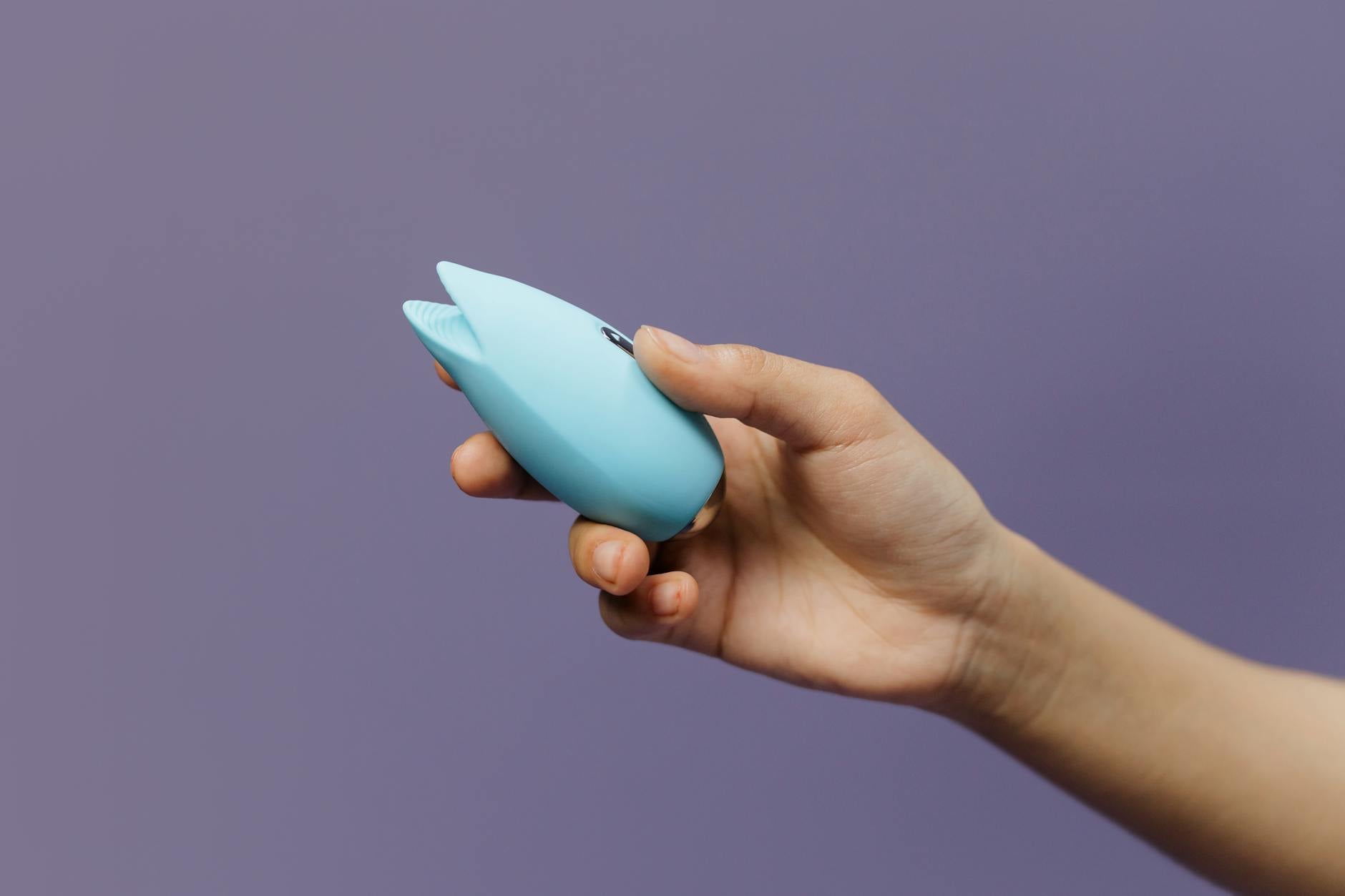
A lemon vibrator works particularly well here because suction-based stimulation feels different than your hands do. Different enough to bypass old habits. It's also easier for the receiving partner to relax into, because there's no "am I doing this right?" anxiety. It's a tool. You both learn it together.
Most couples find that the receiving partner can relax faster with a device. There's less pressure to perform pleasure or fake response. You can just feel what you feel. And when one person finally has an orgasm after years without, the shift in both of you is real. It's proof that your body still works. That pleasure is still available.
How to actually restart physical touch
Start with things that don't involve genitals. Massage. Hand-holding while walking. Sitting close enough that your legs touch. Sleep naked together if you used to. These sound basic, but they're radical after years of distance. They rebuild the nervous system's sense that touch is safe.
Then move to mutual touch. Spend 15 minutes just touching each other. No goal. No finish line. If this sounds awkward, good. Awkwardness means you're doing something new. Stay with it for at least three or four sessions before adding any kind of sexual touch.
When you do bring in sexual touch, let one person be fully in charge of pace and intensity the first few times. The receiving partner can relax because they don't have to lead. The giving partner can focus on learning what their partner's body is asking for right now.
This is where a lemon clitoral vibrator becomes useful. You can explore together. "How does this feel? What pattern works?" You're learning her body again. You're treating it like discovery, not routine.
The emotional part that nobody talks about
Restarting intimacy also means restarting vulnerability, and that's scary. When you've been hurt or disconnected for years, it's actually safer to stay numb. Feeling desire means risking rejection again. Feeling desire means admitting you've missed this. Admitting you want to be wanted.
Grief often comes first. You grieve the years you didn't have this. You grieve what the distance means about your relationship. That grief is actually part of the healing. Let it happen.
You might cry during sex. You might feel angry or suddenly sad. That's not a sign you should stop. It's a sign that you're thawing out. Your body is processing years of shutdown. Be patient with yourself.
Common blocks and how to move through them
One of you wants to restart; the other isn't sure. This is the most common stall point. The hesitant person often isn't rejecting desire. They're rejecting the risk. Have a plan: "We'll take this slowly. We can stop whenever either of us needs to. This isn't about sex. It's about reconnection." Sometimes the hesitant person just needs to know it's safe to say no.
Your body feels different than it did. You've gained weight, aged, changed. Your partner finds you attractive right now, in this body. Believe them more than you believe your own doubt.
You're scared you won't be able to have an orgasm or that sex will hurt. Address the pain concern with a doctor first. For orgasm anxiety, remember: you don't need to orgasm for the reconnection to work. The goal is presence, not performance.
You tried once and it felt awkward, so you both retreated. Of course it was awkward. You're learning to dance together again. Third or fourth time is always easier.
When to bring a professional in
If one of you had an affair during the distance, if there's unresolved resentment, or if the distance is covering a deeper incompatibility, couples therapy before physical reconnection helps. A therapist can help you both understand what the intimacy stall was actually about.
If pain during sex is present, see a gynecologist who specializes in sexual health. Pain is always fixable.
If you're both ready but genuinely can't break the ice, a couples sex therapist (yes, that's a real specialty) can guide you through the first steps in a way that removes shame.
The truth about restarting intimacy
It won't feel the same as it did before. That's not a loss. New desire is different. It's informed by time, by knowing each other in new ways, by the fact that you chose to come back. Some couples tell me their reconnected intimacy is better than it was in the beginning. It has depth now. It has intention.
You don't need years of therapy or a perfect conversation or your bodies to feel exactly right. You need one person to say "I want to try," and the other person to say "Okay." Everything else follows from there.
FAQ
How long does it actually take to rebuild intimacy after years of no sex?
There's no timeline, but most couples notice a shift within four to six weeks of consistent touch. I'm talking about daily small touches, not necessarily sex. Arousal patterns can take three to four months to feel natural again. Orgasmic response can take longer for some people, especially if hormones or medication are in the mix. The goal isn't speed. It's consistency.
Is it normal to feel disconnected during sex even after you restart it?
Completely normal. You've been disconnected for years. Your brain is protective. Dissociation during or after sex is common. Try staying grounded: keep your eyes open, focus on sensation rather than performance, check in with your partner. If dissociation persists, mention it to a therapist. It usually responds well to EMDR or somatic work.
Should we use toys like lemon vibrators as part of restarting, or is that admitting something's wrong?
Using a lemon clitoral vibrator isn't admitting failure. It's using a tool designed for this exact situation. Couples I work with often find that introducing a vibrator removes performance pressure. It's novelty. It's something to learn together. It shifts the dynamic from "we used to do this" to "let's try this now."
What if one partner wants to restart and the other doesn't?
The reluctant partner isn't necessarily saying no to intimacy forever. They might be saying no to the vulnerability, no to the risk of being rejected again, or no because they don't feel safe yet. Have that conversation. "What would need to be true for you to feel safe being close again?" Often it's not sex itself. It's emotional reconnection they need first. Start there.
Is it possible that the distance means the relationship should end?
Sometimes yes. If one person has checked out and has no desire to return, or if the intimacy stall is masking a fundamental incompatibility, reconnection isn't the answer. You can work through this with a therapist, but not all relationships are meant to restart. That's okay. Sometimes the kindest thing is to acknowledge that.
How do I stop feeling ashamed that we let it go this far?
Shame is a signal that something mattered. You stopped touching because life got hard, or because you were protecting yourself, or because you didn't know how to say "I need this." That's not a moral failure. That's a human response to disconnection. Let the shame be information, not judgment. Then move toward what you want next.
Start where you are
Intimacy doesn't have to be a grand gesture. It's a hand on a shoulder while you're making coffee. It's sleeping close. It's saying "I want to try this again" and meaning it. Your body remembers how to desire. Your nervous system remembers how to feel safe. You just have to be willing to learn each other again. If you're ready to move forward, reach out to Hello Nancy or a couples therapist in your area. You deserve reconnection.