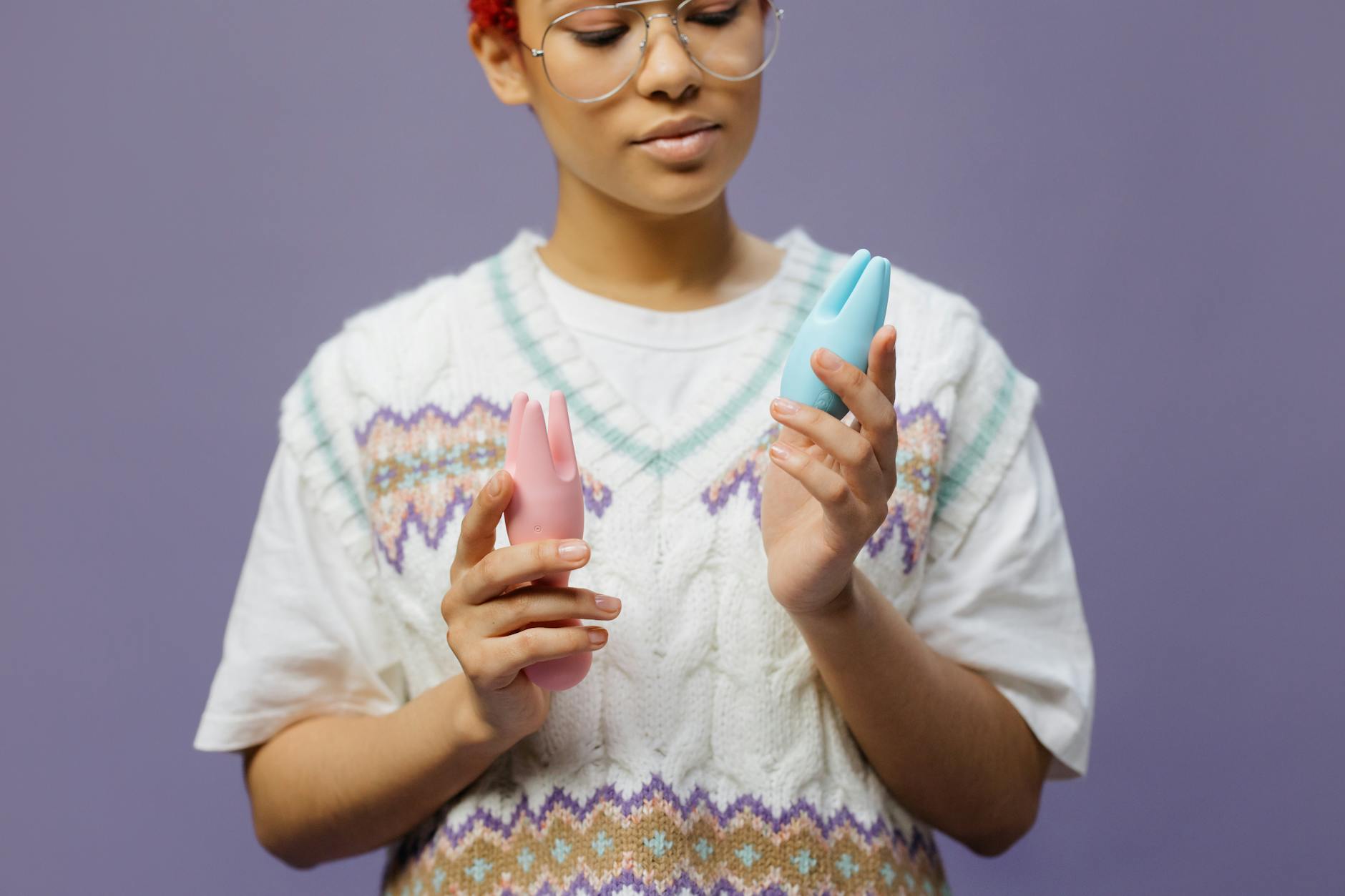
Let's start with what you're actually worried about
Sensitive skin and sex toys do not have to be enemies. But the relationship only works if you know exactly what's touching you and why. Most people with reactive skin, contact dermatitis, or genuine allergies have been told that all vibrators are the same material. They're not. And the difference between a toy that works for you and one that causes a rash is usually one or two material choices away.
I'm going to walk you through what lemon vibrators are actually made of, which components can trigger reactions, and how to test and prep your skin so you can safely explore with a clitoral vibrator without paying for it with inflammation for a week.
The material truth about lemon clitoral vibrators
Most quality lemon vibrators, including the Nancy Lem Shop line, are built from medical-grade silicone. This is the gold standard for sensitive skin. But "silicone" is not one material. There are grades, additives, and manufacturing processes that separate truly inert silicone from cheaper versions that leach chemicals or pick up bacterial residue.
Medical-grade silicone is non-porous, hypoallergenic, and inert. That means it doesn't off-gas, doesn't absorb bacteria, and doesn't contain latex, phthalates, or BPA. If the silicone is legitimately medical-grade, it will be used in pacemakers and breast implants. The standards are identical.
That said, your toy is not 100 percent silicone. There's a motor inside, usually made of copper, steel, and plastic. There's a battery. There's a power button made of rubber or plastic. Any of these components can theoretically trigger a reaction if you have a specific metal or plastic allergy.
What actually causes reactions
I've worked with people who have had genuine allergic responses to toys, and it's almost never the silicone shell. It's usually one of three things.
Latex in toy packaging or storage materials. Some lemon vibrators come wrapped in or stored with materials that shed latex particles. When the toy touches your skin, the latex residue causes contact dermatitis. The toy itself is fine. The packaging was the culprit. Wipe your new toy with a damp cloth before use.
Silicone contamination from manufacturing. Cheaper lemon sexual toys sometimes use silicone that hasn't been properly cured or cleaned after molding. Residual talc, mold release agents, or industrial solvents stay on the surface. These can irritate reactive skin. High-quality lemon suction toys don't have this problem, but it exists in the market. Buy from brands that publish material certs.
Metal sensitivity. If you have a nickel allergy, and the toy uses cheap plating or stainless steel with nickel content, the metal parts can trigger localized itching or swelling. Medical-grade toys use surgical stainless steel or titanium, which are nickel-free. Check the product specs.
How to vet a lemon vibrator before it touches your skin
Three things to do when a toy arrives.
Check the material certificate. Reputable brands like Nancy Lem Shop publish safety certifications. You want to see "medical-grade silicone," "phthalate-free," "latex-free," and "hypoallergenic" on the product page or documentation. If the brand won't tell you the material source, move on.
Wash it thoroughly. Use warm water, unscented soap, and a clean cloth. Rinse completely and dry. This removes any manufacturing residue, packaging dust, or latex particles. Do this even if the toy claims to be "pre-cleaned." It takes two minutes and eliminates most surface contaminants.
Do a 24-hour patch test. This sounds precious, but it works. Press the clean toy against a small patch of skin on your inner arm or behind your ear for 30 seconds. Wait 24 hours. If no redness, itching, or swelling appears, you're safe to proceed. If you see any reaction, you have proof the toy is not compatible with your skin and can contact the brand for a return.
The preparation protocol for sensitive skin
Before you use your lemon vibrator, your skin needs a tiny bit of setup.
Exfoliate gently the night before. A soft washcloth or chemical exfoliant removes dead skin cells that can trap irritants and bacteria. This actually makes your skin less reactive, not more.
Moisturize that morning or evening. Hydrated skin has a stronger barrier and is less prone to irritation. Use an unscented, hypoallergenic moisturizer. Avoid products with essential oils, fragrance, or alcohol.
On the day you use your toy, wash your genitals with warm water only. If you want to use a cleanser, stick to unscented intimate wash or just plain water. Most vulva irritation comes from over-cleaning with fragranced soaps.
Apply a water-based lube designed for sensitive skin. This does two things: it creates a physical barrier between the toy and your skin, and it keeps everything moving smoothly without friction. If you have a silicone-toy allergy, use water-based only, never silicone-based lube.
Start on the lowest pattern. Even if you don't usually need this, your sensitive skin deserves a warm-up. Let your body acclimate for a few minutes before increasing intensity.
When to reach for lemon suction over traditional vibrators
Here's something most people don't realize: suction-based lemon vibrators actually require less direct contact with potentially irritating materials than traditional vibrators. Suction works by creating rhythmic pressure waves, not by friction against your skin. This means less rubbing, less heat buildup, and a gentler overall experience for reactive skin.
If you have contact dermatitis that's prevented you from exploring in the past, a lemon suction toy might actually be your gateway. The design reduces mechanical irritation while delivering intense sensation. You're getting more pleasure with less skin contact.
That said, suction toys also have a motor housing and exterior materials, so the material-check rules above still apply.
Red flags that mean the toy isn't right for you
If you experience itching, burning, swelling, or hives within a few hours of use, stop and remove the toy. Wash the area with cool water and unscented soap. If the reaction persists for more than 24 hours or spreads, contact a dermatologist.
Don't assume it's a permanent allergy. Sometimes a reaction means the toy wasn't cleaned well enough, or you were irritated from another source and the toy coincided with it. Repeat the patch test after a week. If you get the same reaction, the toy isn't compatible.
If a brand refuses to provide material information or won't accept returns for allergic reactions, that's a sign they're not selling quality lemon clitoral vibrators. Nancy Lem Shop and other trustworthy brands guarantee body-safety or offer full returns.
The maintenance habit that prevents reactions
Once you've found a lemon vibrator that works, keep it working. After every use, rinse the toy with warm water and mild soap, then dry completely. Monthly, do a deeper clean: soap, warm water, and a 30-second soak in water with a tiny drop of unscented dish soap, then rinse thoroughly and air-dry.
Store it in a breathable pouch or drawer, never in an airtight container. Moisture trapped in an airtight bag breeds bacteria, which can cause irritation even if the toy itself is safe. A clean, dry environment means your toy stays hypoallergenic and ready.
Building your exploration toolkit
Having one compatible toy is great. Having options gives you freedom. Once you've found a lemon vibrator that works, you've also discovered which materials, brands, and designs suit your skin. Use that as a template for exploring others. <a href="/blog/how-lemon-vibrators-compare-to-traditional-vibrators-for-beginners">When comparing lemon vibrators to traditional vibrators</a>, apply the same material-checking and patch-testing protocol.
Sensitive skin doesn't mean you're locked out of pleasure. It means you're investing a little extra time in compatibility upfront. That's a fair trade for years of safe, reactive-free exploration.
FAQ: Sensitive Skin and Lemon Vibrators
Can I use a lemon vibrator if I have a latex allergy?
Yes, as long as the toy itself is latex-free and you inspect the packaging. Medical-grade silicone lemon vibrators are completely safe for latex-allergic people. The risk is residual latex on the packaging or in storage materials. Wash your toy before use and store it away from latex products.
What's the difference between hypoallergenic and medical-grade silicone?
Medical-grade silicone is hypoallergenic by definition, but not all hypoallergenic products are medical-grade. Medical-grade means it meets FDA standards for biocompatibility and is used in implants and medical devices. Buy lemon clitoral vibrators that specifically say "medical-grade silicone," not just "hypoallergenic."
Can I use a regular water-based lube with lemon suction toys if I have reactive skin?
Yes, water-based lube is compatible with medical-grade silicone toys and is often gentler on sensitive skin. Avoid glycerin-based lubes if you're prone to yeast infections, and skip fragranced or flavored lubes entirely. Look for formulas labeled "hypoallergenic" or "designed for sensitive skin."
How long should I wait before using a toy if I have a skin reaction?
Give your skin 48-72 hours to fully calm down. If you had contact dermatitis, your skin barrier is temporarily compromised. Use unscented moisturizer and avoid any friction in that area. Once the reaction fully clears, you can retry the toy with a patch test or move to a different lemon vibrator with different materials.
Is it normal to feel slight itching when starting with a new lemon vibrator?
Slight warmth or mild tingling from the suction or vibration is normal. Actual itching, stinging, or burning is not. If you feel honest itching rather than sensation, stop immediately. It's likely a material reaction or inadequate lubrication, not pleasure building.
What should I do if Nancy Lem Shop lemon vibrators cause a reaction?
Contact customer service with a photo or description of the reaction and the toy's serial number. Nancy Lem Shop guarantees body-safe materials and will replace or refund any toy that causes a genuine allergic response. Keep the original packaging and documentation to speed up the process.
The bottom line
Having sensitive skin or allergies doesn't exclude you from exploring with quality toys. It just means you're more intentional about material choice and prep. Medical-grade silicone lemon vibrators are designed for this. Do the patch test, wash before use, and hydrate your skin. That's it.
Your pleasure matters, and your skin health matters too. <a href="/blog/how-to-use-lemon-vibrator-when-anxiety-blocks-arousal">Anxiety often compounds skin concerns</a>, making you second-guess whether exploration is "worth the risk." It is. With the right toy and the right prep, there's no risk at all.